Jaguar History: From the XK120 to the E-Type, British Beauty.
William Lyons’ sidecars, the XK120, the C-Type and D-Type at Le Mans, the E-Type, the XJR-9 and the XJ220: the history of Jaguar in six key dates.
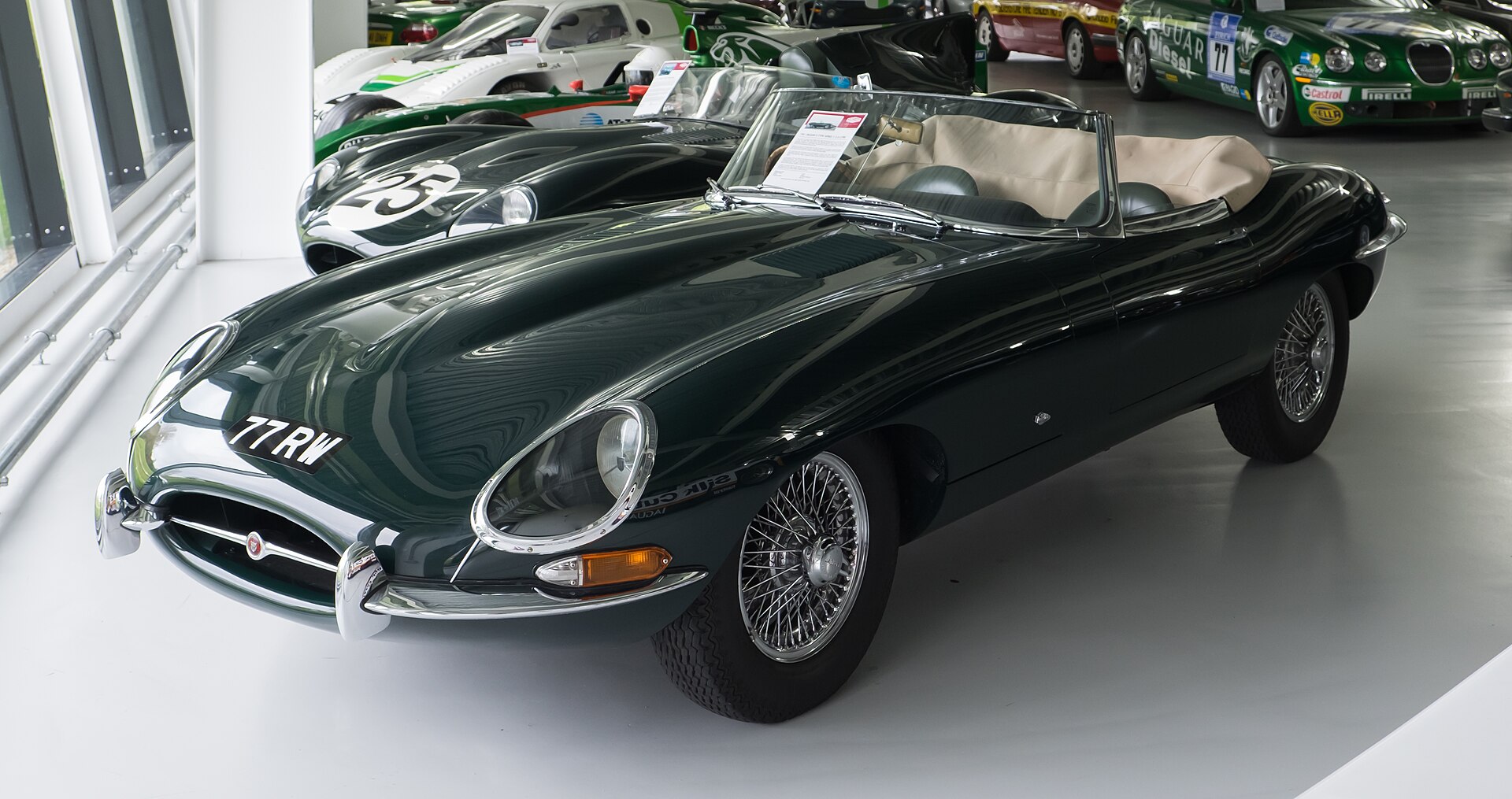
A leaping cat on the bonnet, some of the most beautiful lines in history and seven victories at the 24 Hours of Le Mans: Jaguar embodies British sportiness at its most elegant.
From building sidecars to the E-Type, a look back at the history of the Coventry marque.
1. 1922: From sidecars to the SS 100
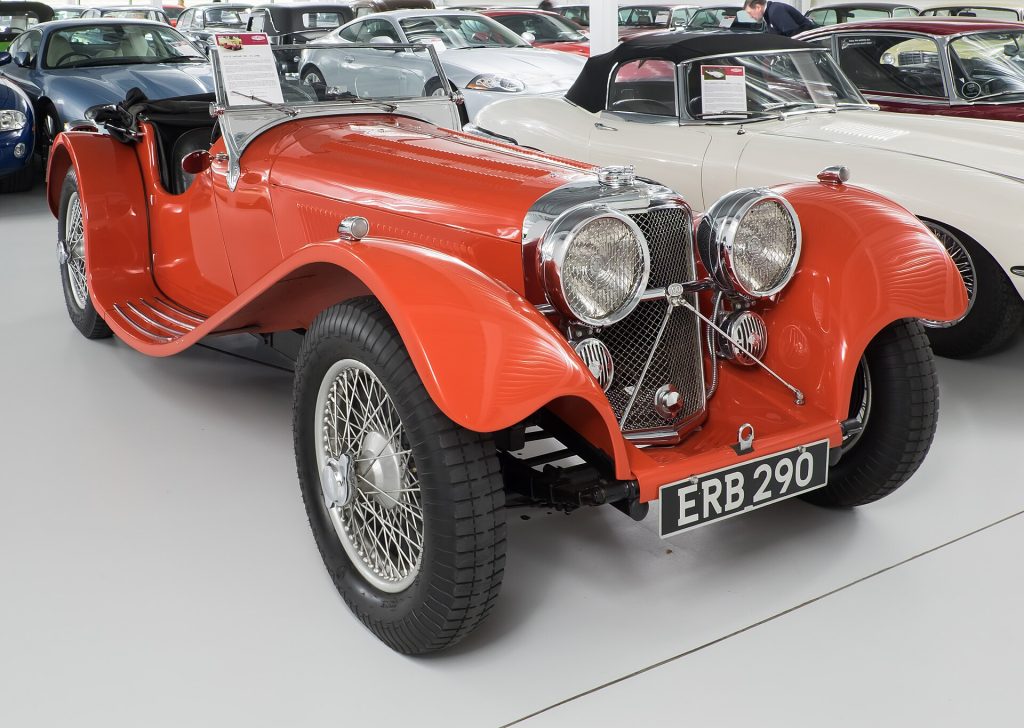
In 1922, 21-year-old William Lyons and William Walmsley founded the Swallow Sidecar Company in Blackpool to build sidecars. The company then moved on to coachbuilding car bodies, and later to building its own cars under the SS brand.
In 1935, the Jaguar name appeared on an SS saloon. The 1936 SS 100 roadster was one of the most desirable sports cars of its day. After the war, the SS initials, by then unacceptable, were dropped: the brand became Jaguar in 1945.
2. 1948: The XK120, the fastest in the world
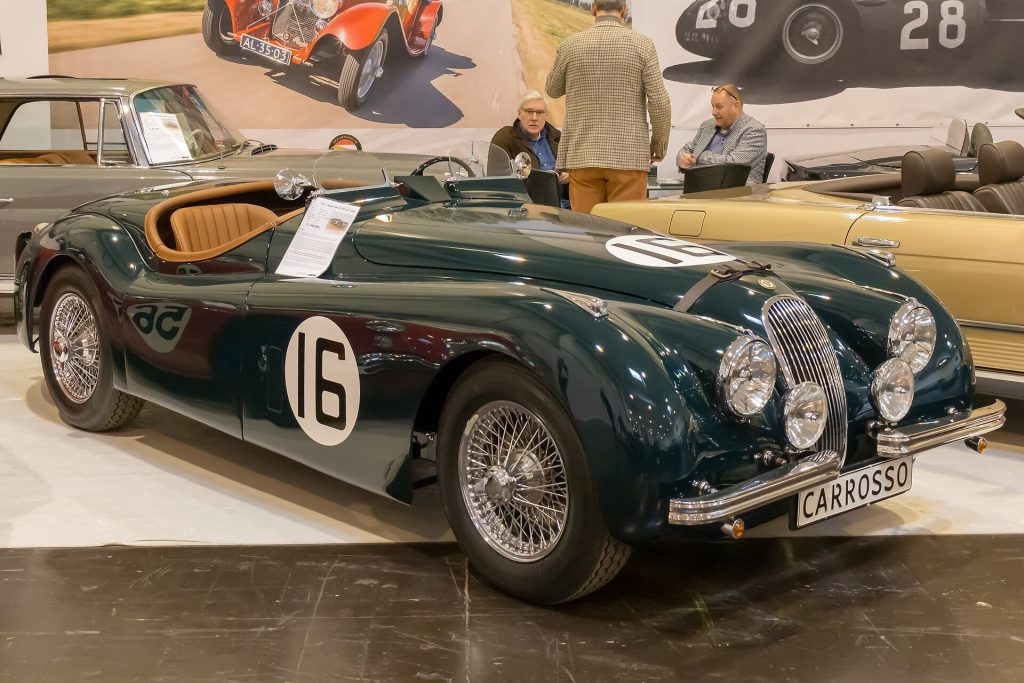
At the 1948 London Motor Show, Jaguar unveiled the XK120. Its name announced its top speed: 120 mph, or around 193 km/h, making it the fastest production car in the world. Planned as a small series, it proved such a success that Jaguar had to put it into full-scale production.
3. 1951-1957: The reign at Le Mans
Jaguar then took on the 24 Hours of Le Mans. The C-Type won in 1951, and again in 1953 thanks to a decisive innovation: disc brakes. Its successor, the D-Type with its famous tail fin, won three years in a row, in 1955, 1956 and 1957, the last two in the blue colours of the Scottish team Ecurie Ecosse.
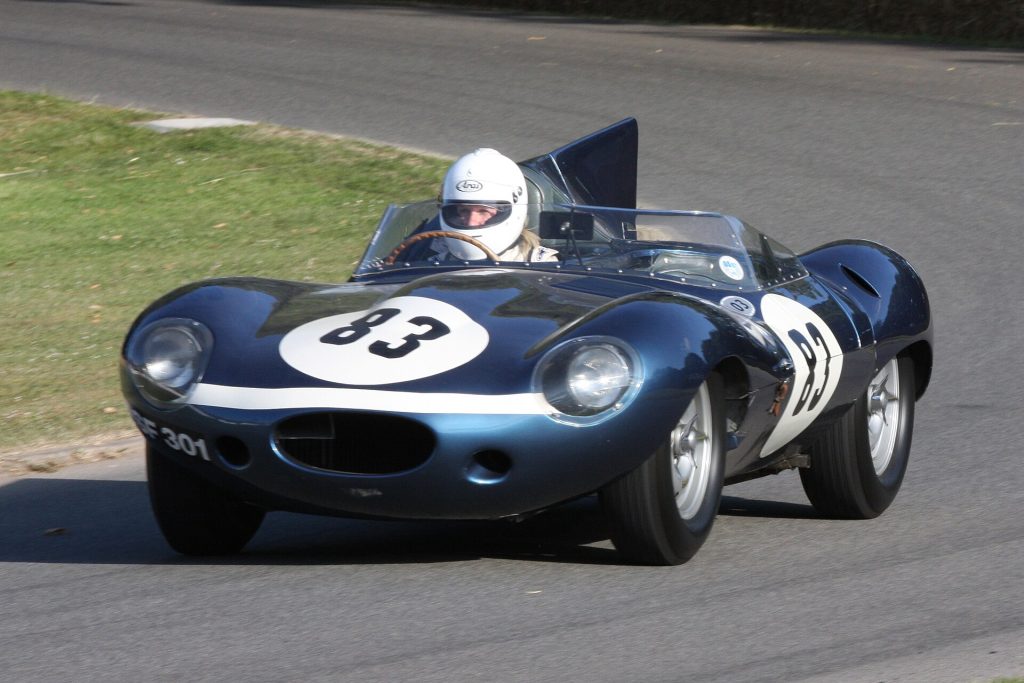
4. 1961: The E-Type, “the most beautiful car in the world”
Unveiled at the Geneva Motor Show in 1961, the E-Type caused a sensation. A long bonnet, sensual lines, more than 240 km/h and a price well below that of its Italian rivals. Legend has it that Enzo Ferrari himself called it “the most beautiful car ever made”. Today it is part of the collection of MoMA in New York.
Naturally, it has its place in our Retromobile collection.
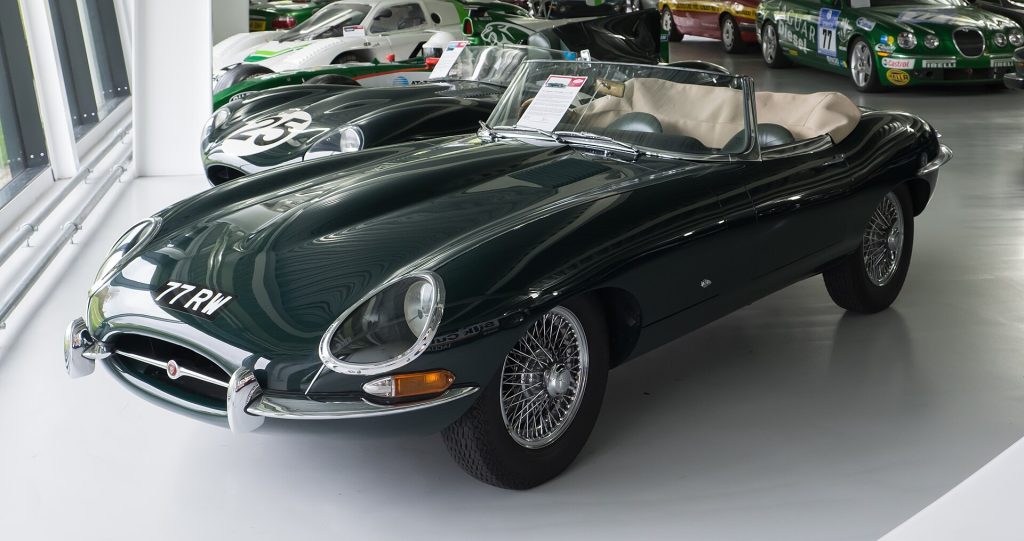
5. 1988-1992: Return to Le Mans and the XJ220
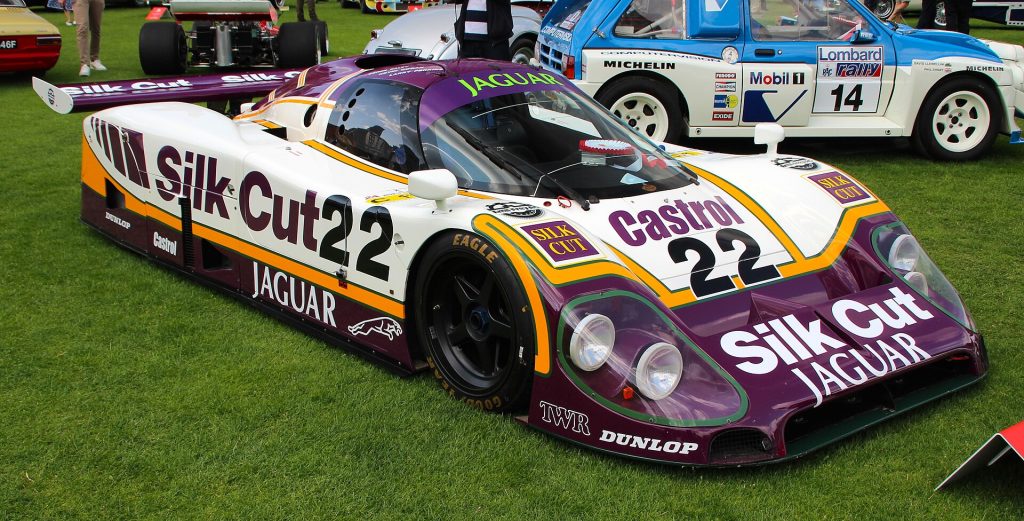
Thirty years after the D-Type, Jaguar returned to winning ways at Le Mans: the XJR-9 in Silk Cut’s purple and white livery won in 1988, then the XJR-12 scored a one-two in 1990.
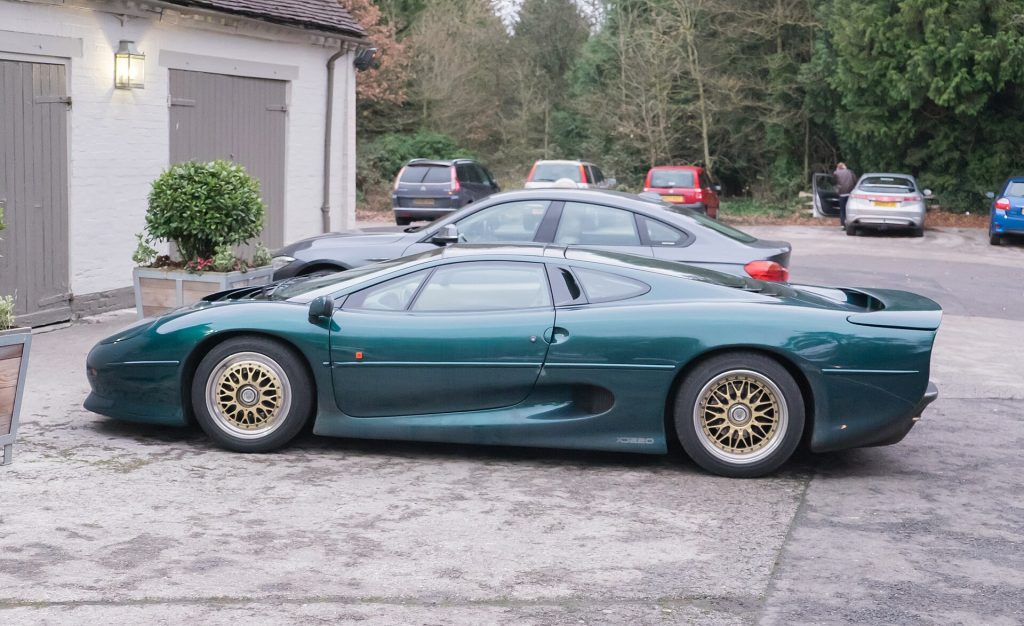
In 1992, the XJ220, with 349 km/h, became the fastest production car in the world, before being dethroned by the McLaren F1.
6. Today: The electric gamble
Owned by the Indian group Tata Motors since 2008, Jaguar was an electric pioneer with the I-Pace SUV, named European Car of the Year 2019, and has competed in Formula E.
The brand has embarked on a radical transformation: at the end of 2024 it unveiled a brand-new design language with the Type 00 concept, and is preparing an all-electric, more upmarket range. A bold gamble for the Coventry cat.
Conclusion: Beauty in motion
From the XK120 to the E-Type, Jaguar has produced some of the most beautiful cars in history, and its victories at Le Mans prove that this beauty was never just for show.
Find the E-Type, the 1988 Le Mans XJR-9 and the 1990 XJR-12 in our selection of Jaguar posters.
Read next.
The whole magazine →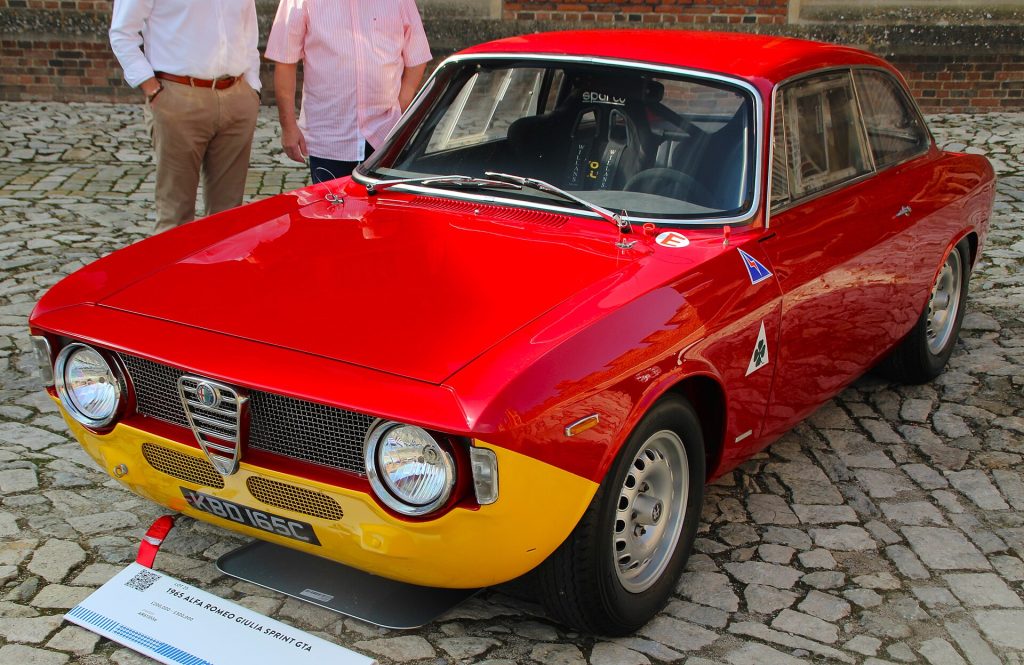
Alfa Romeo History: From the First F1 Title to the Quadrifoglio, the Sporting Heart
A.L.F.A., the Scuderia Ferrari, the 8Cs at Le Mans, the first F1 title, the Giulia GTA, the 33 Stradale and the Quadrifoglio: the history of Alfa…
Read the article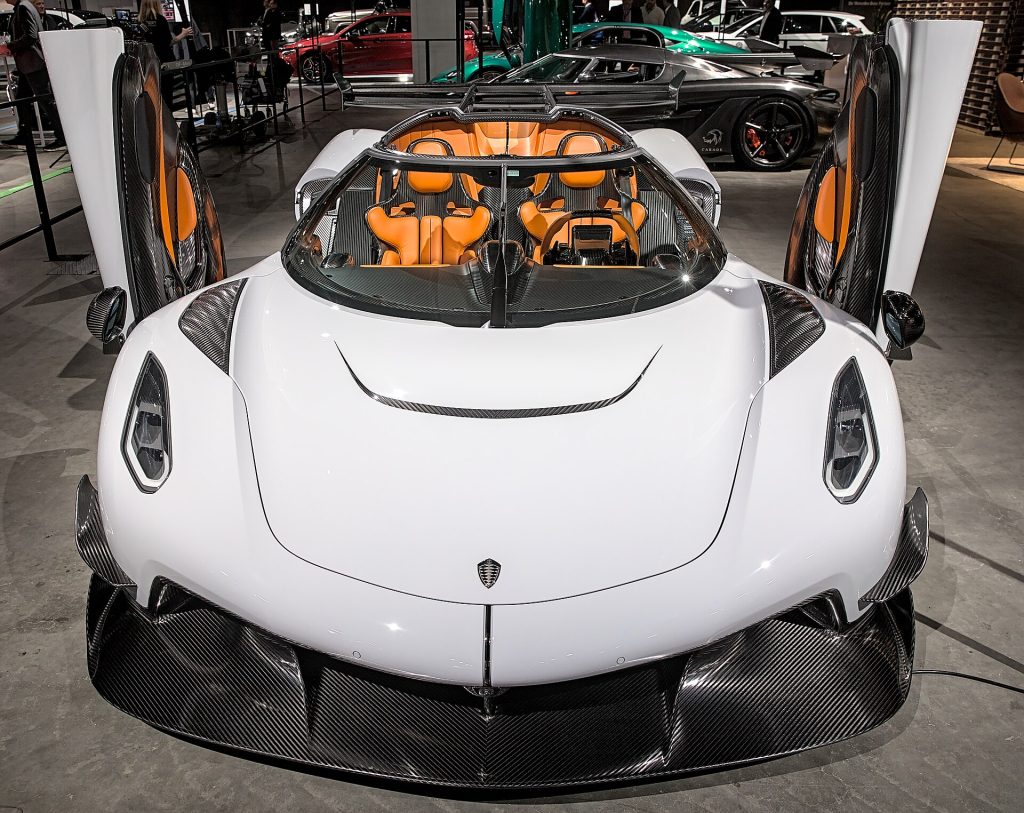
Koenigsegg History: From a Young Swede’s Dream to Speed Records
Christian von Koenigsegg, the CC8S, the CCR’s record against the McLaren F1, the One:1, the Agera RS at 447 km/h and the Jesko: the history of…
Read the article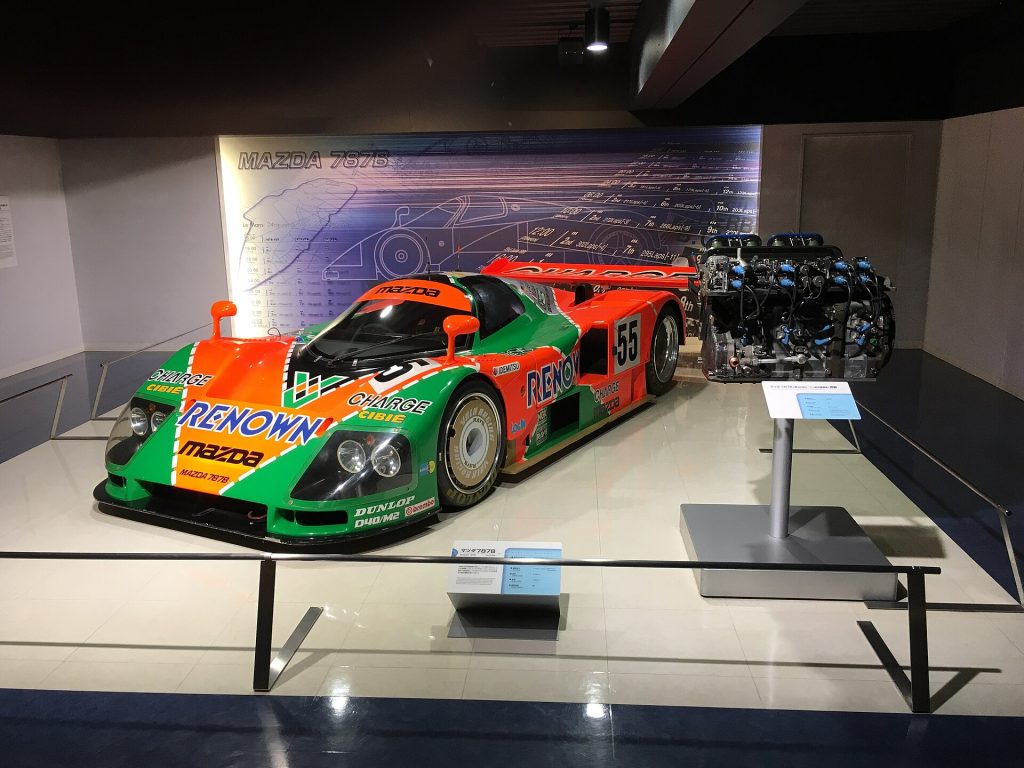


Mazda History: From the Rotary Engine to the MX-5, Japanese Daring
The rotary engine, the Cosmo Sport, the RX-7, victory at Le Mans in 1991 with the 787B and the MX-5: the history of Mazda in six…
Read the articleOn your walls.
All posters →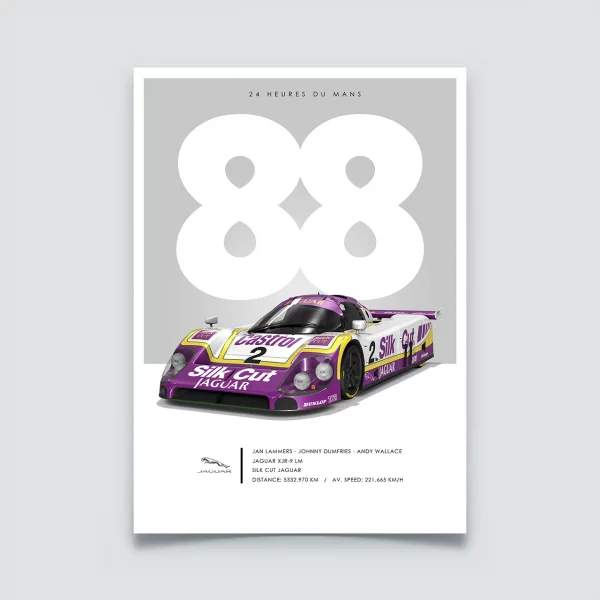 Le Mans 1988 – Jaguar XJR-9 LMFrom
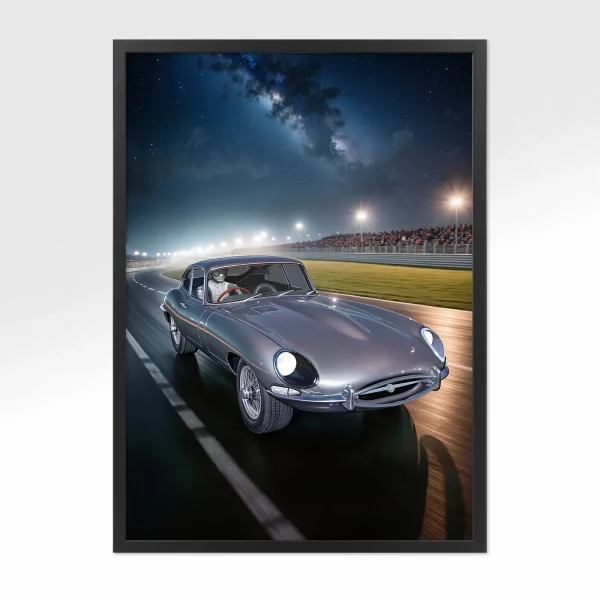 Jaguar E-TypeFrom
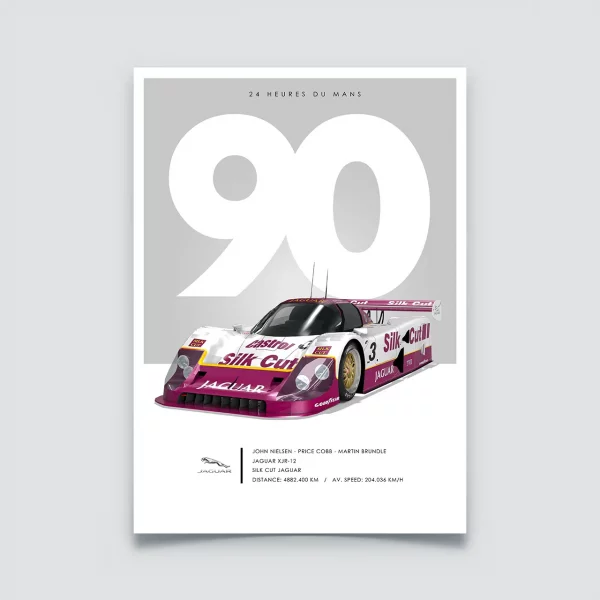 Le Mans 1990 – Jaguar XJR-12From
 Le Mans 1996 – TWR Porsche WSC-95From
 Ferrari F40 · frontFrom
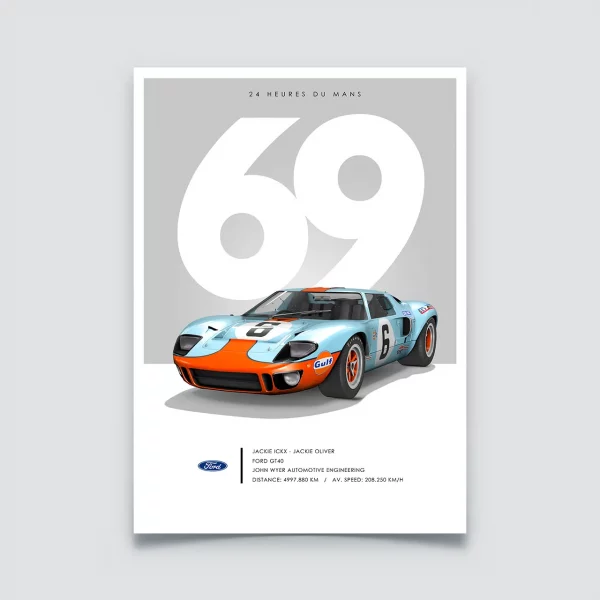 Le Mans 1969 – Ford GT40From
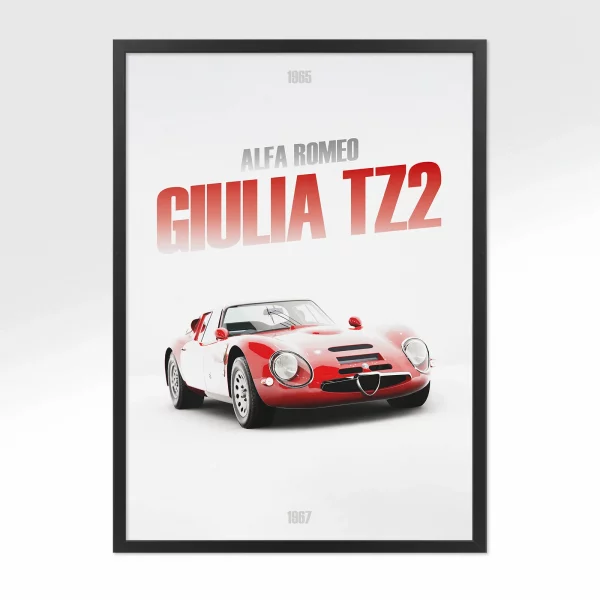 Alfa Romeo Giulia TZ2 · frontFrom
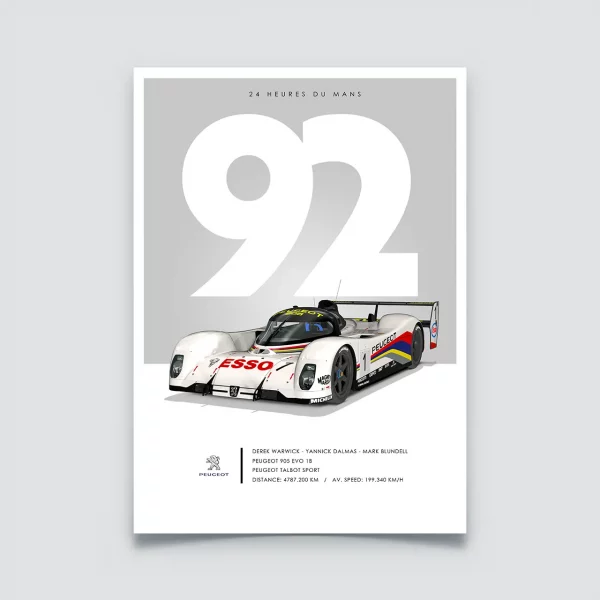 Le Mans 1992 – Peugeot 905 Evo 1BFrom