Koenigsegg History: From a Young Swede’s Dream to Speed Records.
Christian von Koenigsegg, the CC8S, the CCR’s record against the McLaren F1, the One:1, the Agera RS at 447 km/h and the Jesko: the history of Koenigsegg.
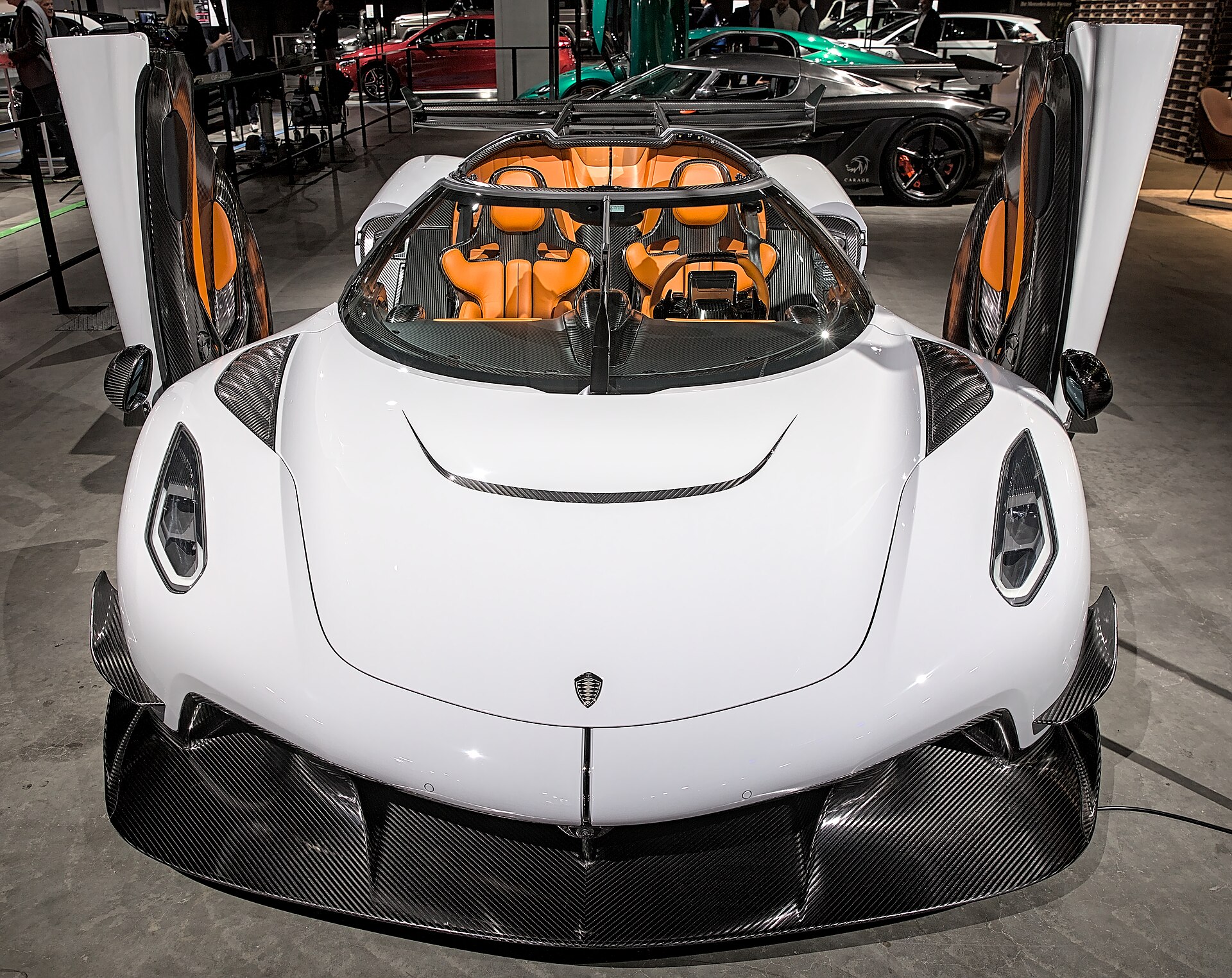
Thirty years ago, nobody would have bet on a young Swede determined to build the fastest car in the world. Today, Koenigsegg has broken several speed records, invented technologies that nobody else dares to develop and created some of the most exclusive hypercars on the planet.
A look back at the history of an extraordinary manufacturer, born of a childhood dream.
1. 1994: A young Swede’s dream
As a child, Christian von Koenigsegg dreamed of building his own sports car. In 1994, aged just 22, he founded his company in Sweden. The beginnings were modest, but the ambition was immense: to rival the best supercars in the world.
In 2003, after a fire at its first premises, the company moved to a former Swedish Air Force base in Ängelholm. In tribute to the squadron once based there, every Koenigsegg wears a ghost emblem.
2. 2002: The CC8S, the first production Koenigsegg
After years of development, the CC8S was delivered to its first customers in 2002. Its 655 hp supercharged V8 made it the most powerful production engine in the world at the time, according to Guinness World Records. Its removable roof stows in the front boot and its doors open by swinging forwards, a signature of the brand.
3. 2005: The record against the McLaren F1
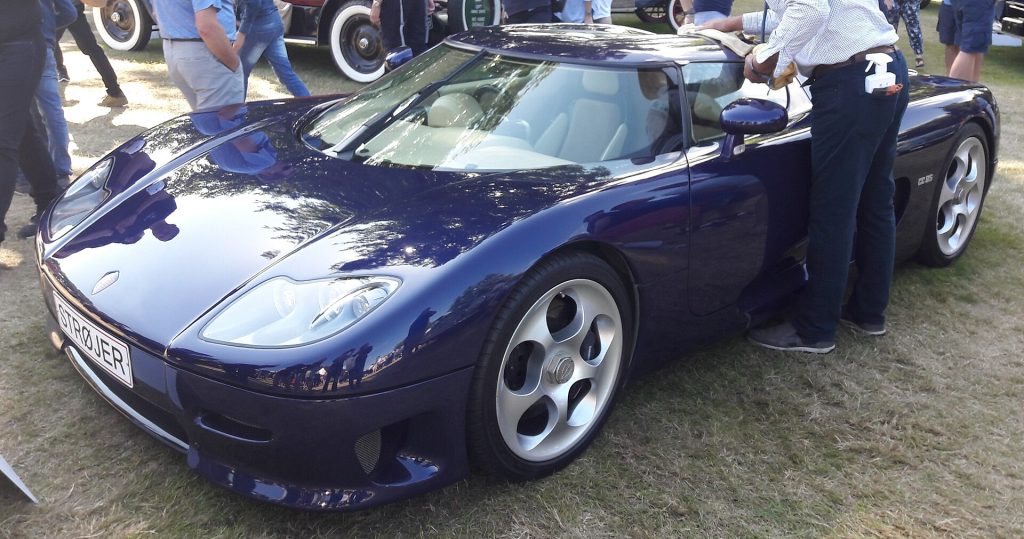
In February 2005, the CCR reached 387.87 km/h on the Nardò ring in Italy, stripping the McLaren F1 of the title of fastest production car in the world. The small Swedish manufacturer had joined the big league.
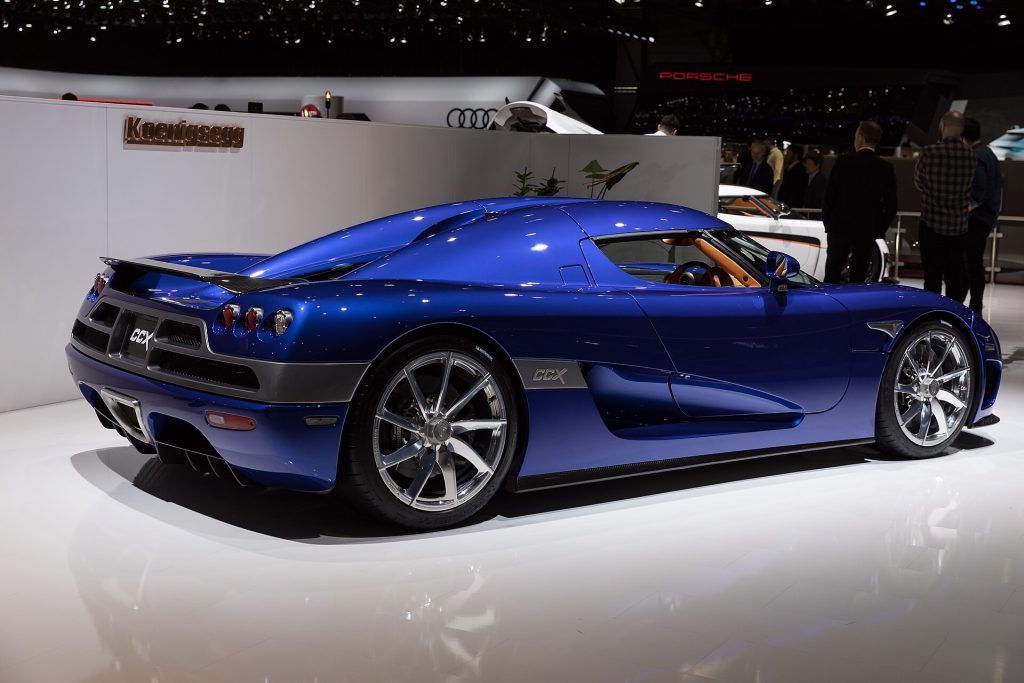
It was succeeded in 2006 by the CCX, developed to be homologated worldwide, including in the United States.
4. 2014: One:1, the first “megacar”
In 2014, Koenigsegg unveiled the One:1, whose name sums up its spec sheet: one horsepower per kilogram, or 1,360 hp for 1,360 kg. Its one megawatt of power made it the first production “megacar”. Only six customer cars were built.
5. 2017: 447 km/h on an open road
In November 2017, an Agera RS set a new speed record for a production car: an average of 447.19 km/h over two runs, on a road closed for the occasion in Nevada, with a peak of more than 457 km/h. Find the Agera RS in our Super Sport collection.
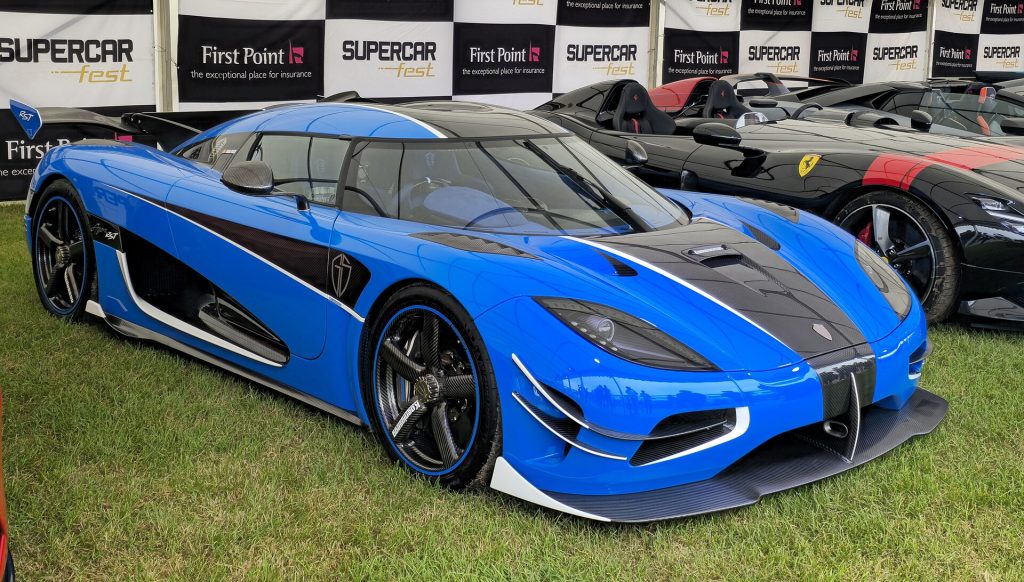
6. Today: Regera, Jesko and crazy innovations
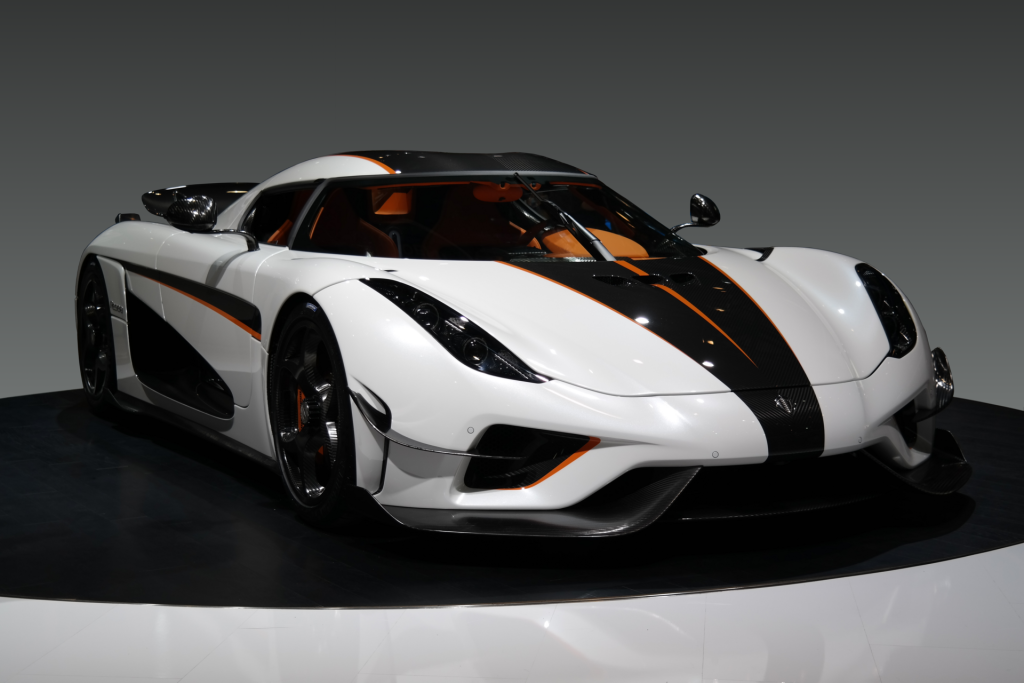
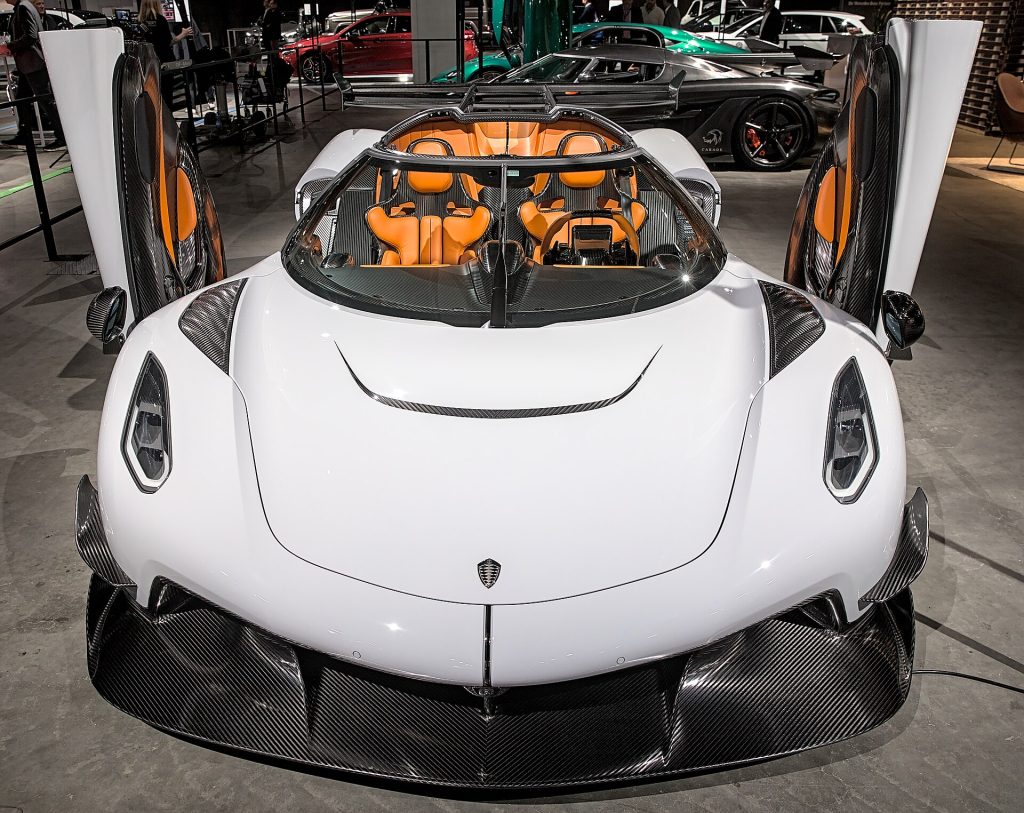
The Regera (2016) does without a gearbox thanks to its “Direct Drive” transmission and combines a twin-turbo V8 with three electric motors for 1,500 hp. The Jesko, named in tribute to Christian’s father, produces up to 1,600 hp on ethanol, with its nine-speed, seven-clutch gearbox.
The brand has also unveiled the Gemera, a four-seater hypercar, and the CC850, a tribute to the CC8S with an entirely new kind of manual gearbox. At Koenigsegg, innovation never stops.
Conclusion: The ghost that takes on the giants
In thirty years, Koenigsegg has gone from a teenage dream to one of the most respected names in the hypercar world. Proof that daring and engineering can rival the heritage of the greatest brands.
Find the Agera RS, the Regera and the Jesko in our selection of Koenigsegg posters.
Read next.
The whole magazine →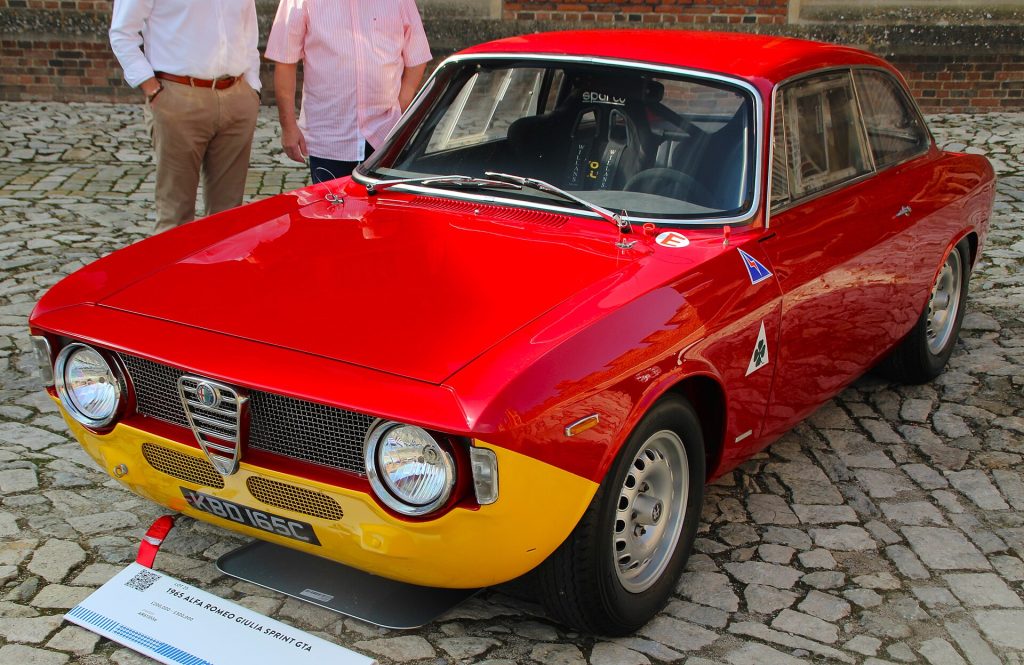
Alfa Romeo History: From the First F1 Title to the Quadrifoglio, the Sporting Heart
A.L.F.A., the Scuderia Ferrari, the 8Cs at Le Mans, the first F1 title, the Giulia GTA, the 33 Stradale and the Quadrifoglio: the history of Alfa…
Read the article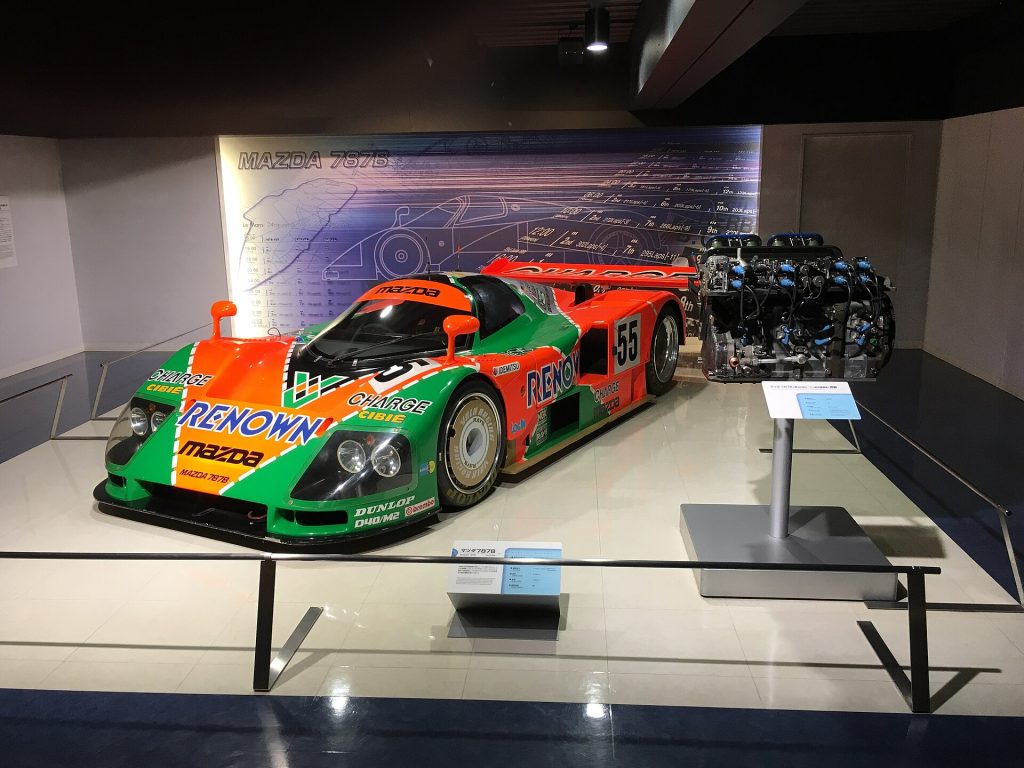
Mazda History: From the Rotary Engine to the MX-5, Japanese Daring
The rotary engine, the Cosmo Sport, the RX-7, victory at Le Mans in 1991 with the 787B and the MX-5: the history of Mazda in six…
Read the article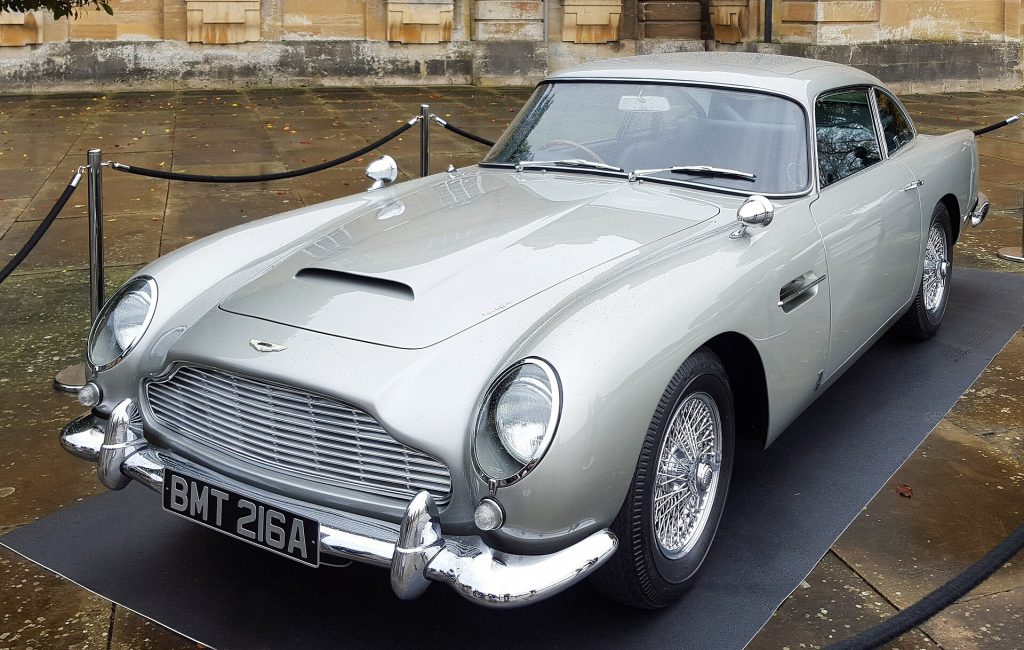


Aston Martin History: From James Bond’s DB5 to the Valkyrie, British Elegance
The Aston Hill hill climb, the DB line, victory at Le Mans in 1959, James Bond’s DB5 and the Valkyrie: the history of Aston Martin in…
Read the articleOn your walls.
All posters →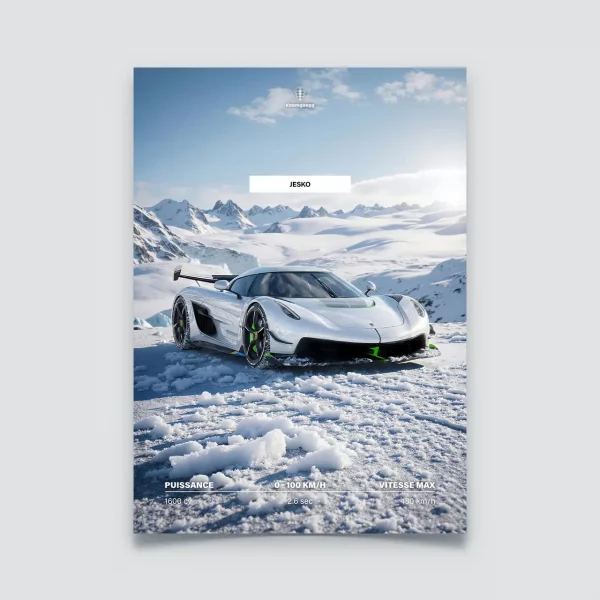 Koenigsegg JeskoFrom €39.90Super Sport
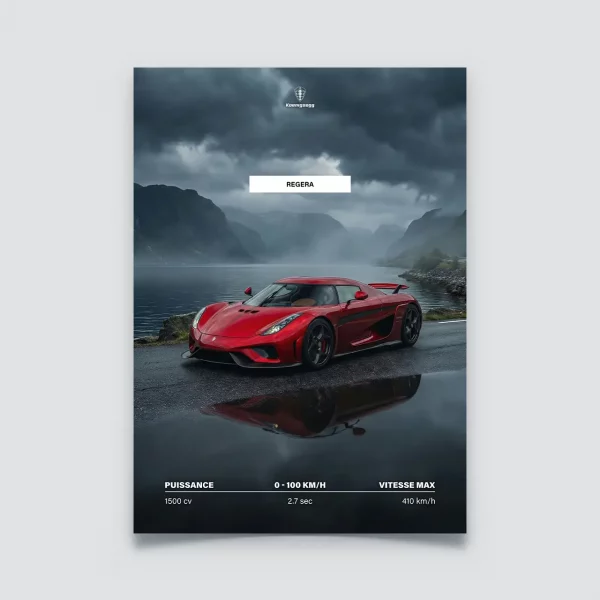 Koenigsegg RegeraFrom €39.90Super Sport
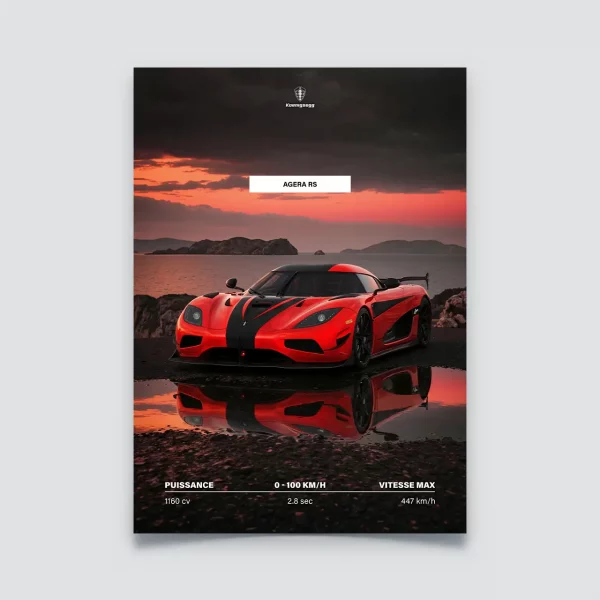 Koenigsegg Agera RSFrom €39.90Pure White
 Alfa Romeo 155 Q4 · frontFrom €39.9024 Hours of Le Mans
 Le Mans 1999 – BMW V12 LMRFrom €39.90Pure White
 BMW M5 2011 · frontFrom €39.90Pure White
 Porsche 718 Cayman GT4 RS · frontFrom €39.90Pure White
 Lamborghini Urus · frontFrom €39.90