Mercedes-Benz History: From the Patent-Motorwagen to the AMG One, the Star That Invented It All.
From Carl Benz’s first automobile to the Silver Arrows, from the 300 SL Gullwing to AMG: the history of Mercedes-Benz in six key dates.
A three-pointed star recognised around the world, the legendary Silver Arrows and an AMG division that has become synonymous with power: Mercedes-Benz is much more than a maker of luxury saloons. It is quite simply the brand that invented the automobile.
From Carl Benz’s Patent-Motorwagen to the AMG One and its Formula 1 engine, a look back at 140 years of history in six key dates.
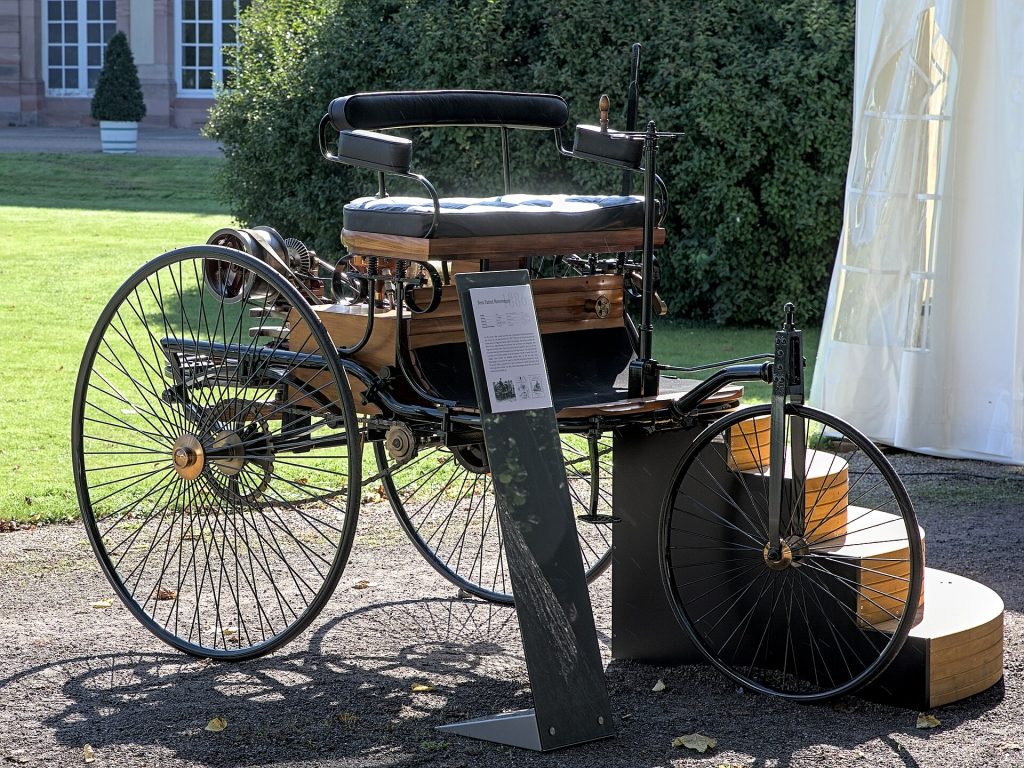
1. 1886: Carl Benz invents the automobile
On 29 January 1886, the engineer Carl Benz filed the patent for his Patent-Motorwagen, a tricycle powered by a single-cylinder petrol engine. It was the official birth certificate of the automobile. At the same time, not far away, Gottlieb Daimler and Wilhelm Maybach were also developing their first motor vehicles.
In 1888, it was his wife Bertha Benz who proved the invention’s usefulness: without telling her husband, she drove with her two sons the hundred or so kilometres between Mannheim and Pforzheim. The first long-distance car journey in history.
2. 1901: A car named Mercedes
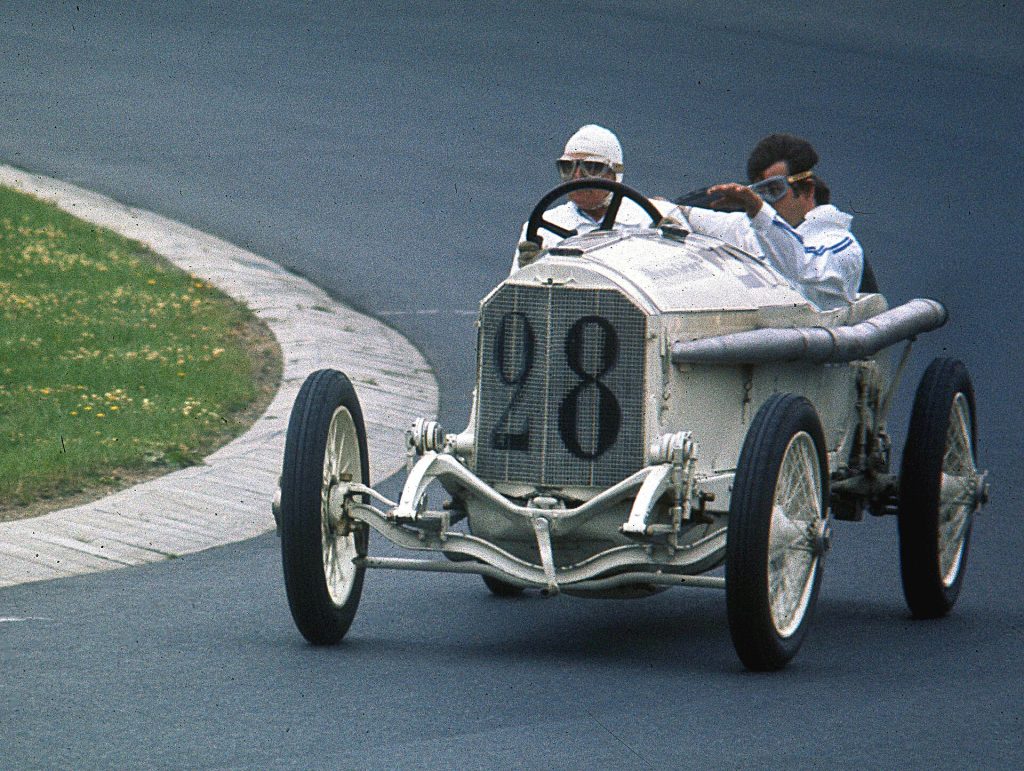
The Mercedes name came from a customer: Emil Jellinek, a wealthy businessman and amateur racing driver who raced under the pseudonym “Monsieur Mercédès”, his daughter’s first name. In 1901, he ordered a lower, longer and more powerful car from Daimler: the Mercedes 35 PS, designed by Maybach, is often regarded as the first modern automobile.
In 1914, Mercedes cars scored a one-two-three at the French Grand Prix. In 1926, Daimler and Benz merged to form Daimler-Benz, and the three-pointed star, symbolising motorisation on land, at sea and in the air, became the emblem of Mercedes-Benz.
3. 1934: The birth of the Silver Arrows
Legend has it that in 1934, the new W25 racing car was one kilo overweight. The mechanics are then said to have scraped off its white paint, the colour of German cars, to meet the 750 kg limit, revealing the bare aluminium. True or not, the story gave their name to the Silver Arrows, which dominated the Grands Prix of the 1930s.
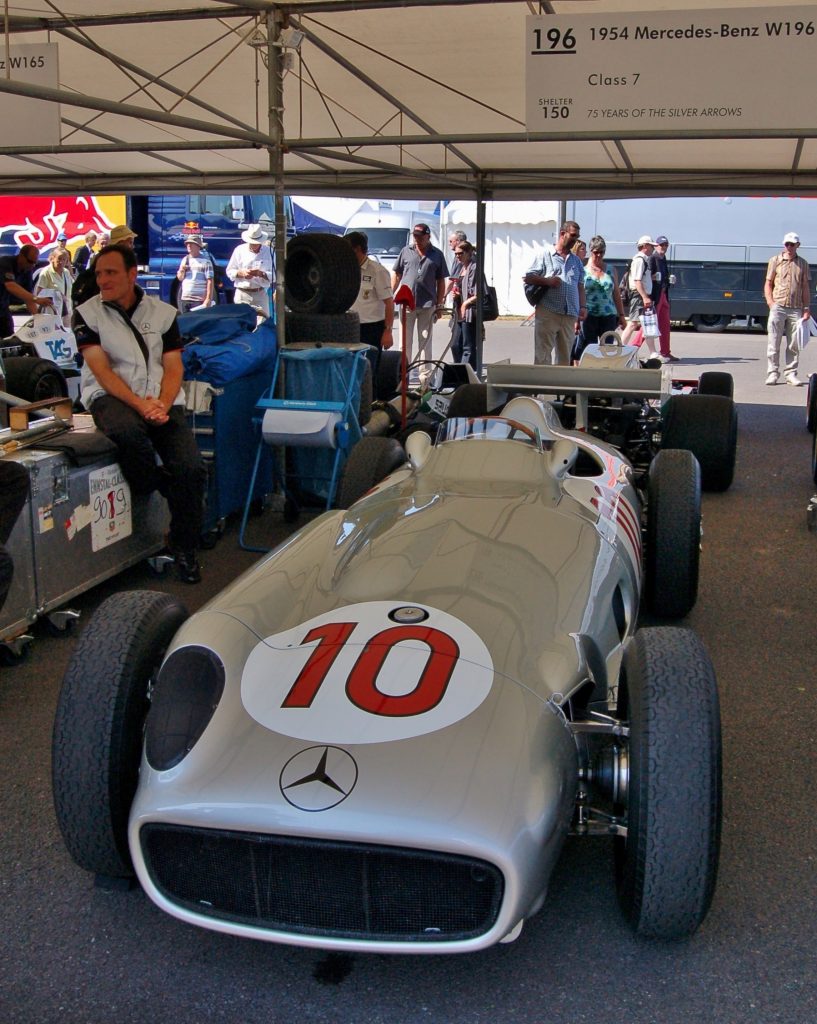
After the war, the W196 took up the torch: Juan Manuel Fangio, who joined the team mid-way through the 1954 season, was crowned Formula 1 world champion in 1954 and 1955.
4. 1954: The 300 SL and its gullwing doors
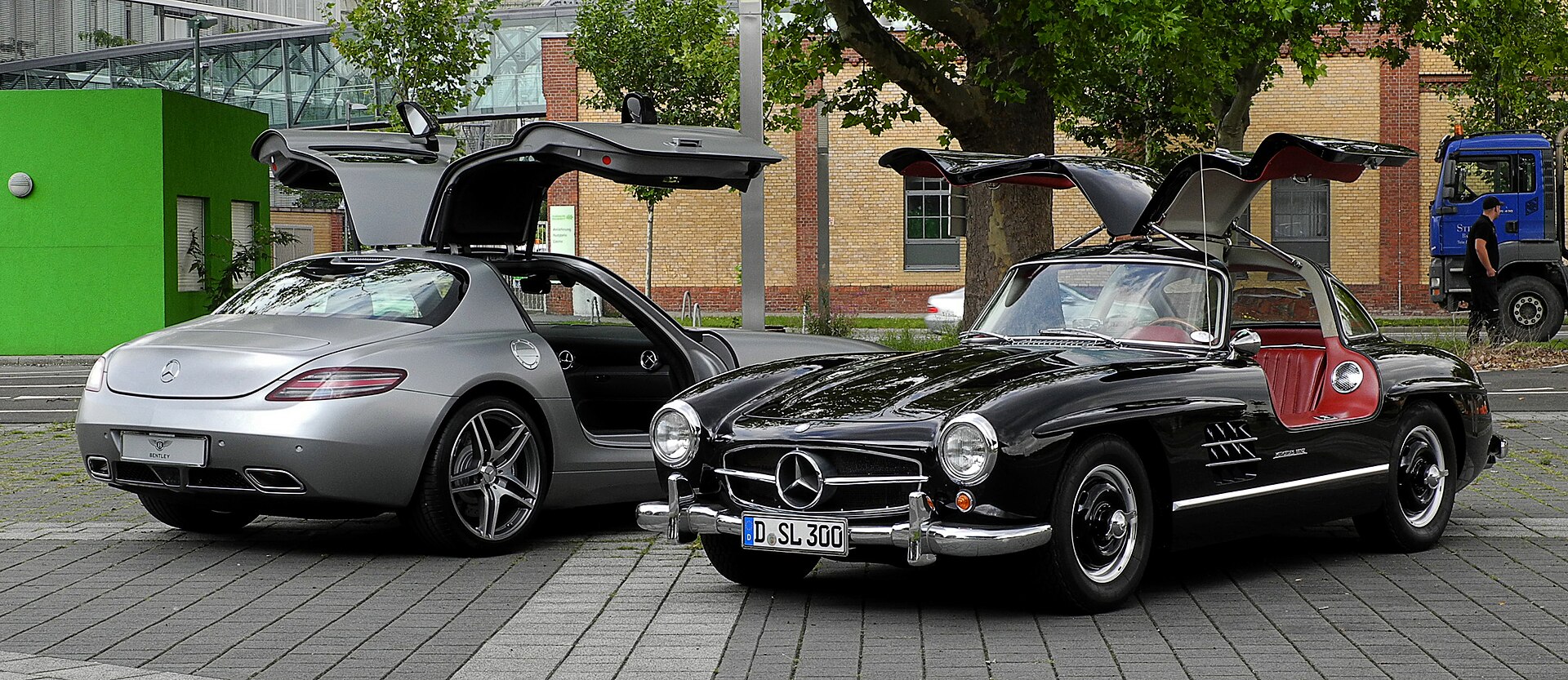
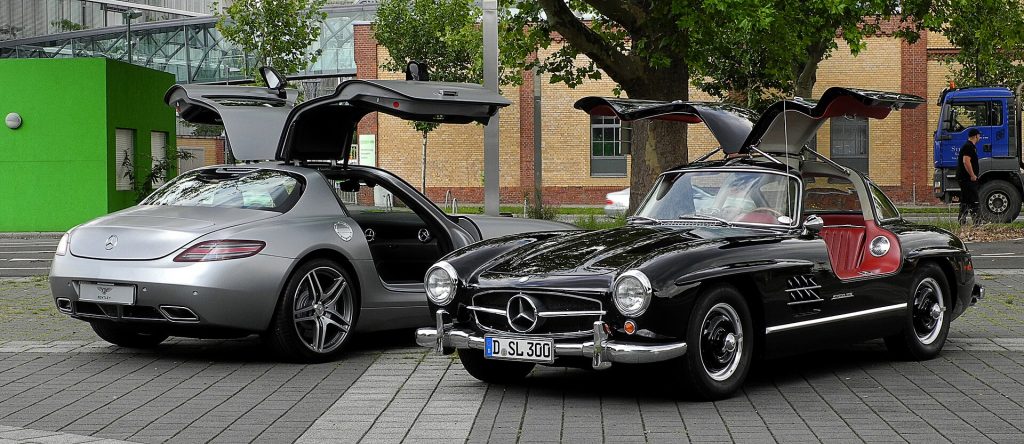
Derived from the W194 racing car that won the 1952 24 Hours of Le Mans, the 300 SL was unveiled in 1954. Its tubular chassis required very high sills, hence its famous doors that open towards the sky, nicknamed “papillon” (butterfly) in France and “Gullwing” across the Atlantic.
The first direct-injection petrol engine in a production car, perfect lines, a top speed of over 250 km/h: it remains one of the most sought-after collector’s cars in the world. It features in our Retromobile collection.
5. 1967: AMG, from tuners to champions
In 1967, two former Mercedes engineers, Hans Werner Aufrecht and Erhard Melcher, founded a tuning workshop in Großaspach, Aufrecht’s home town: AMG was born. Their 300 SEL 6.8, nicknamed the “Red Sow”, caused a sensation by finishing second in the 1971 Spa 24 Hours.
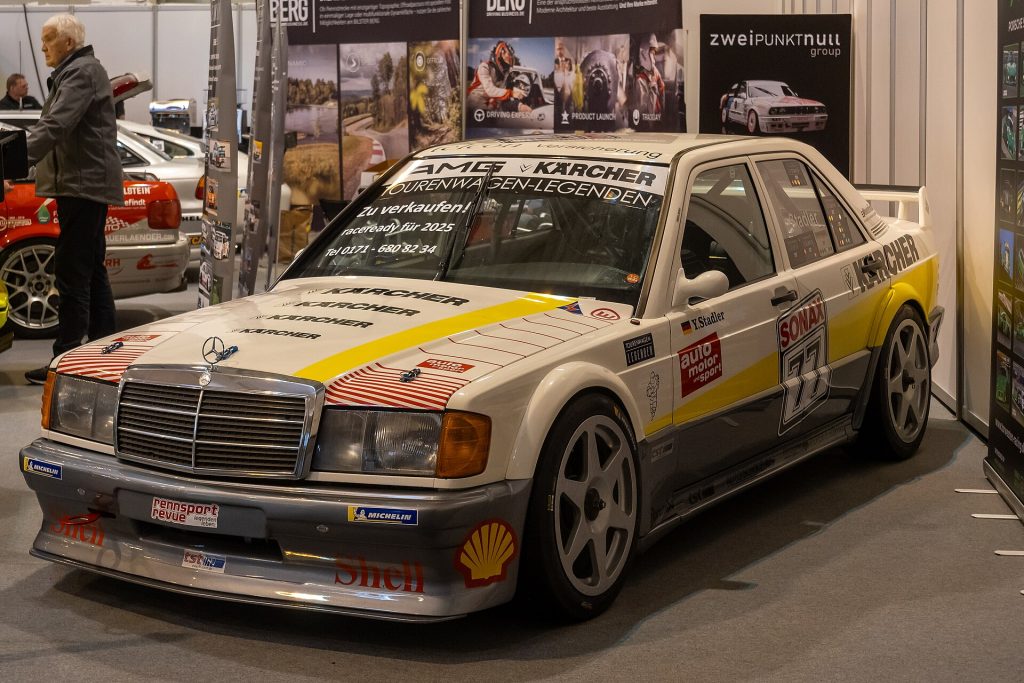
In the 1980s and 1990s, the 190 E 2.3-16 and its Evolution versions shone in the German Touring Car Championship (DTM), while the Sauber-Mercedes C9 won the 1989 24 Hours of Le Mans. AMG became a Mercedes subsidiary from 1999.
6. Today: Formula 1 on the road
Having returned to Formula 1 as a full works team in 2010, Mercedes set a historic record by winning eight consecutive constructors’ titles, from 2014 to 2021, including six drivers’ titles for Lewis Hamilton.
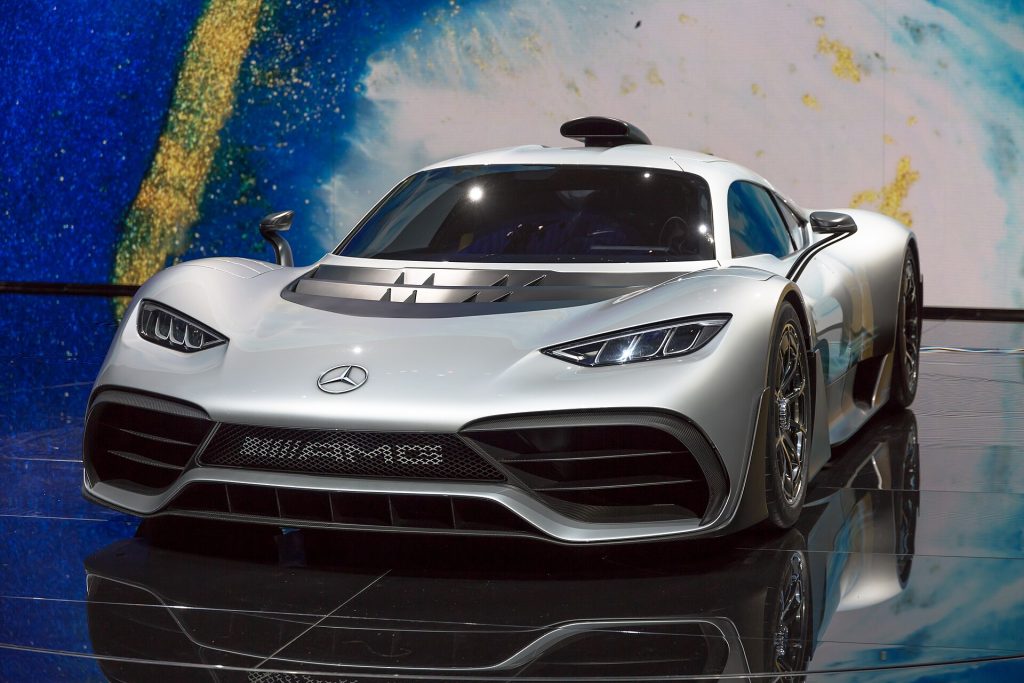
This expertise gave birth to the Mercedes-AMG One, a 1,063 hp hypercar powered by the Formula 1 hybrid V6 engine, with 275 units built. A road-legal Formula 1 car, or almost.
Conclusion: The star that invented it all
From the first automobile in history to hybrid hypercars, Mercedes-Benz has come through 140 years while remaining at the forefront of innovation and motorsport.
Discover the 300 SL, the 1989 Le Mans Sauber-Mercedes C9 and the AMG One in our selection of Mercedes posters.
Read next.
The whole magazine →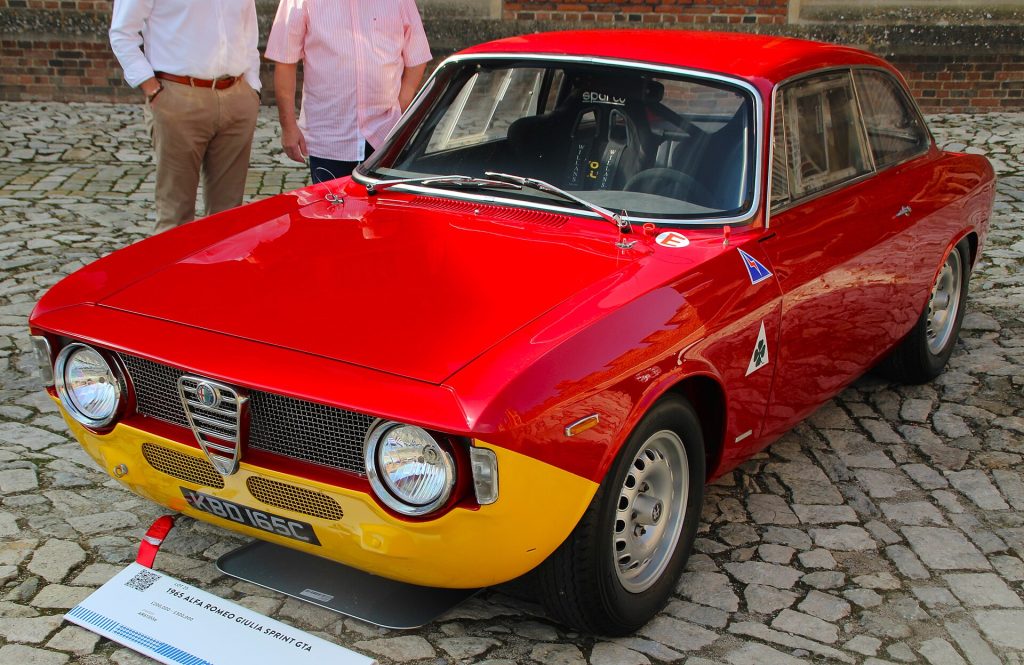
Alfa Romeo History: From the First F1 Title to the Quadrifoglio, the Sporting Heart
A.L.F.A., the Scuderia Ferrari, the 8Cs at Le Mans, the first F1 title, the Giulia GTA, the 33 Stradale and the Quadrifoglio: the history of Alfa…
Read the article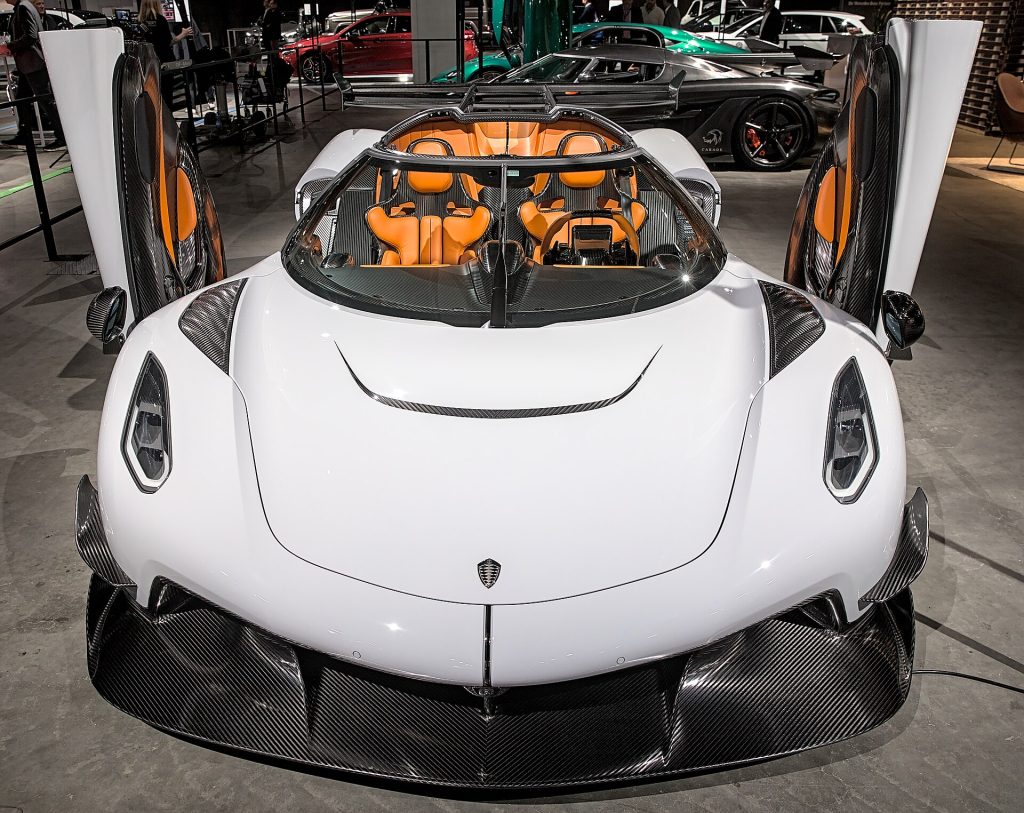
Koenigsegg History: From a Young Swede’s Dream to Speed Records
Christian von Koenigsegg, the CC8S, the CCR’s record against the McLaren F1, the One:1, the Agera RS at 447 km/h and the Jesko: the history of…
Read the article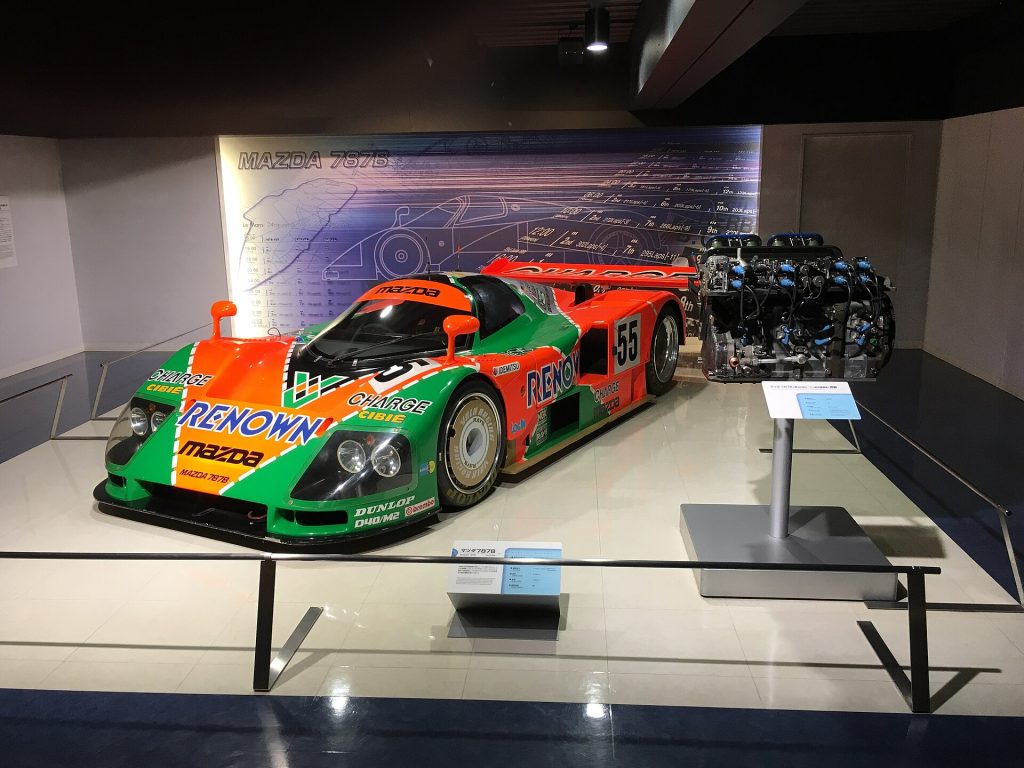


Mazda History: From the Rotary Engine to the MX-5, Japanese Daring
The rotary engine, the Cosmo Sport, the RX-7, victory at Le Mans in 1991 with the 787B and the MX-5: the history of Mazda in six…
Read the articleOn your walls.
All posters →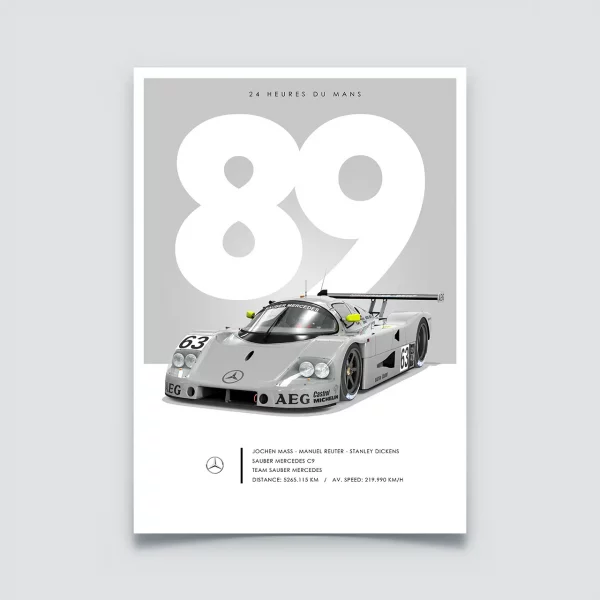 Le Mans 1989 – Sauber Mercedes C9From €39.90Retromobile
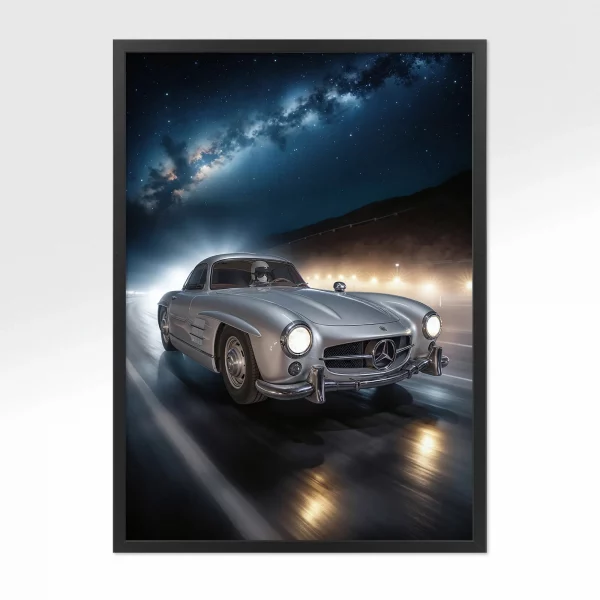 Mercedes 300 SLFrom €39.90Super Sport
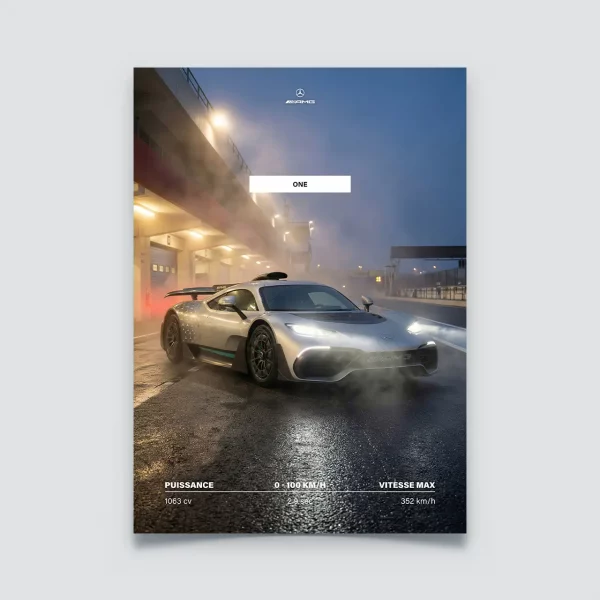 Mercedes-AMG OneFrom €39.9024 Hours of Le Mans
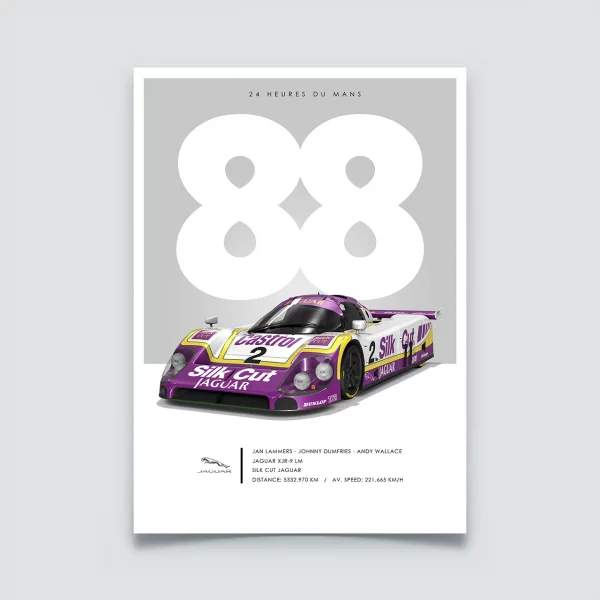 Le Mans 1988 – Jaguar XJR-9 LMFrom €39.90Pure White
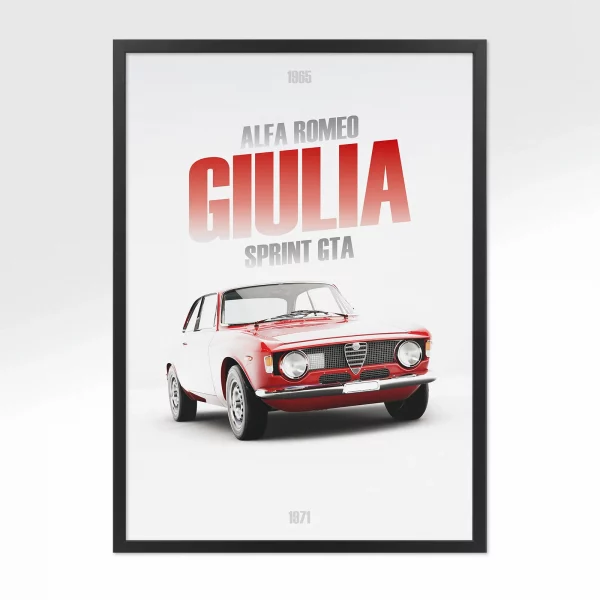 Alfa Romeo Giulia Sprint GTA · frontFrom €39.90Pure White
 Audi RS5 · frontFrom €39.90Pure White
 Lamborghini Aventador LP700-4 · frontFrom €39.90Pure White
 Lamborghini Miura · frontFrom €39.90