The History of Renault: From the rue Lepic Bet to the Electric Revolution.
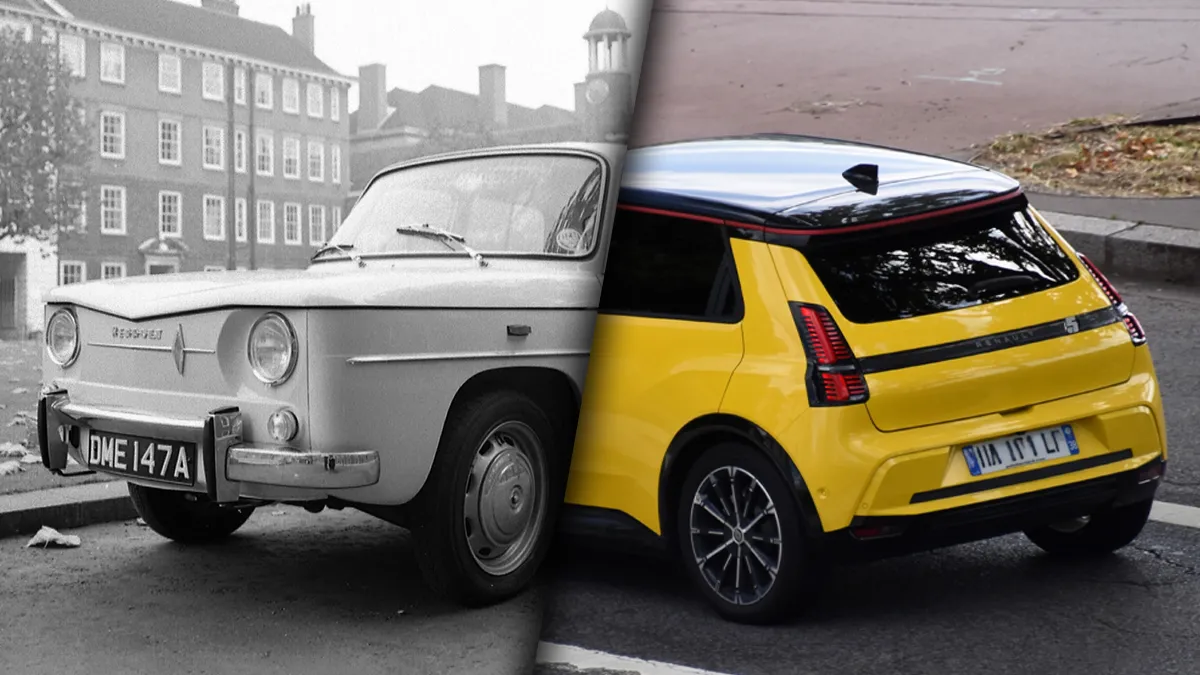
Renault is no ordinary brand. It is a mirror of French history. It lived through the trenches of 1914-18, the nationalisations of 1945, the strikes of 1968 and victories in Formula 1. It is the brand of “cars for living”, the one that invented the MPV and popularised the Turbo.
It all began on Christmas Eve 1898, with a rather crazy bet.
1. 1898: The “Voiturette” and direct drive
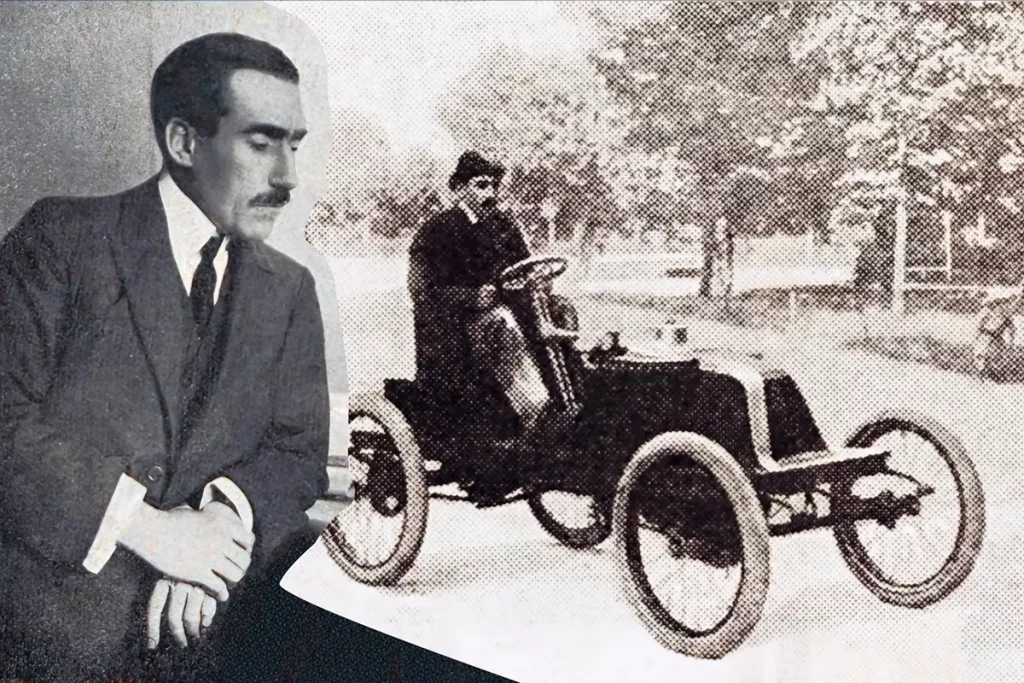
Louis Renault, a brilliant 21-year-old mechanic, had turned a De Dion-Bouton tricycle into a small four-wheeled car in the shed at the bottom of the family garden in Boulogne-Billancourt.
On the evening of 24 December, he bet his friends that he could drive up the steep slope of rue Lepic, in Montmartre, in his “Voiturette Type A”.
Thanks to a revolutionary invention, the direct-drive gearbox (which avoids the power losses of a belt drive), he pulled it off. He left the party with 12 firm orders and deposits in his pocket. The Renault Frères company was born.
2. 1914: The Taxis of the Marne
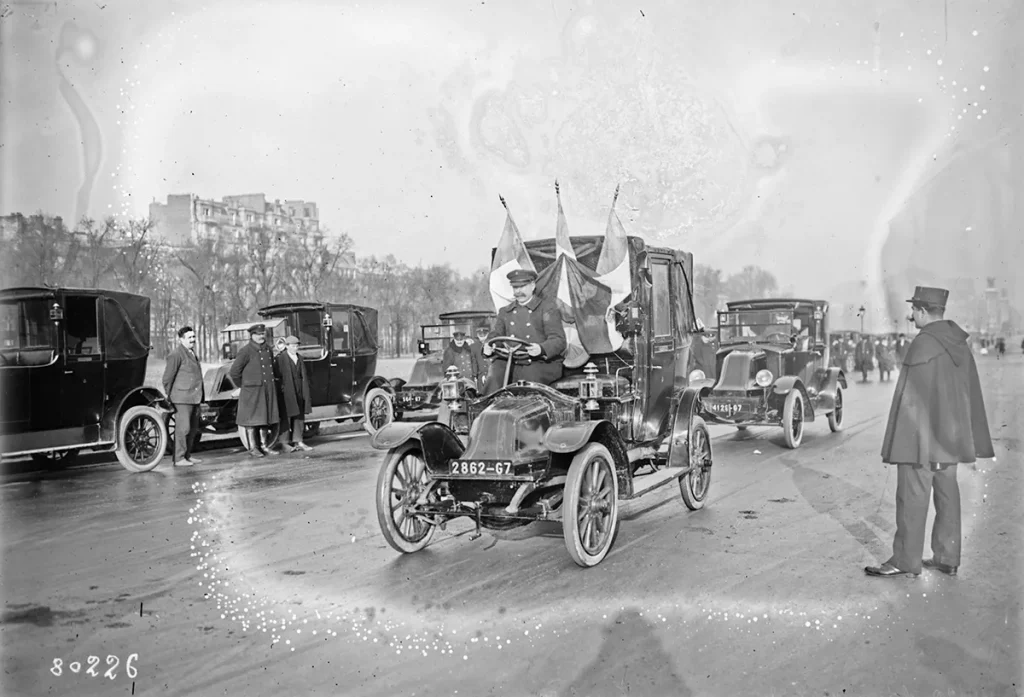
Renault entered History (with a capital H) during the First World War. In September 1914, the German army was threatening Paris. General Gallieni had an idea: requisition the Paris taxis to send reinforcements to the front.
Most of these taxis were Renault Type AGs. 600 of them carried 3,000 soldiers to the Battle of the Marne. Renault became France’s industrial hero, also producing shells and the famous FT-17 light tank.
3. 1945: The “Régie” and the 4CV
The Second World War was a dark period. The factories were bombed and, at the Liberation, Louis Renault was accused of collaboration. He died in prison in 1944 before his trial.
The State nationalised the company, which became the Régie Nationale des Usines Renault (RNUR).
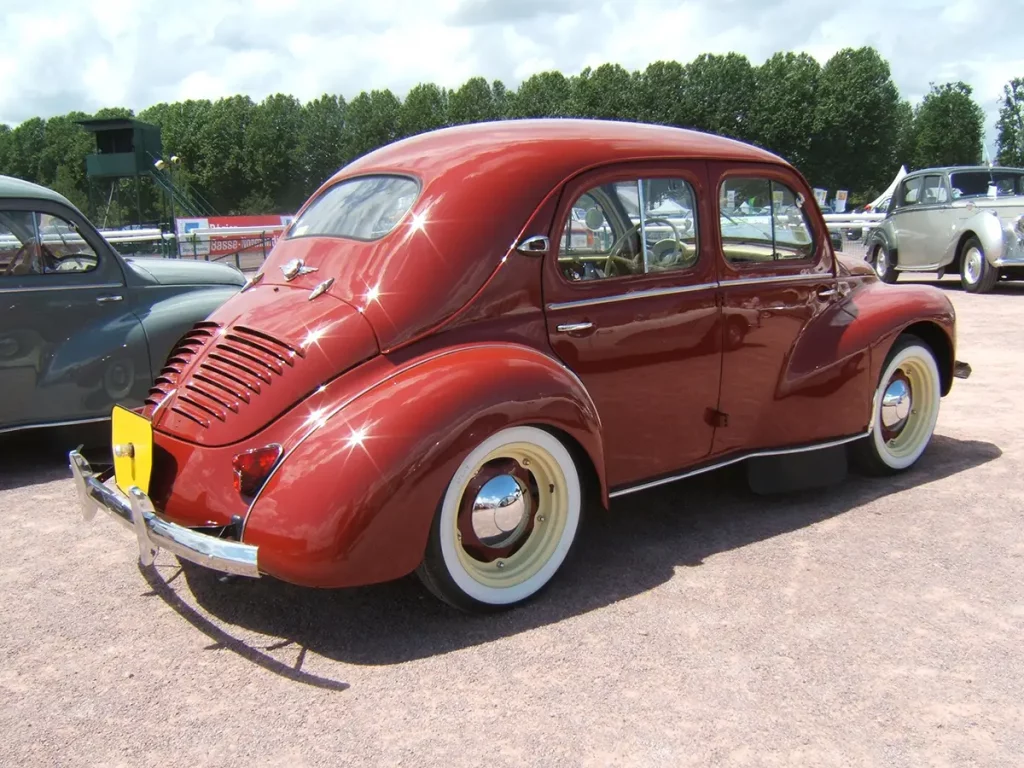
But behind the scenes, during the Occupation, engineers had secretly developed a small people’s car: the 4CV. Launched in 1947, this “pat of butter” (so called because of the sandy yellow colour of the first examples) would put France back on wheels. It was the first French car to pass the million mark.
4. The popular icons: 4L and R5
Renault became the specialist in the car for everyone:
- The 4L (1961): The “blue jeans” car. Simple and practical with its hatchback (a revolution!), it could go anywhere. It is the best-selling car in Renault’s history (8 million units).
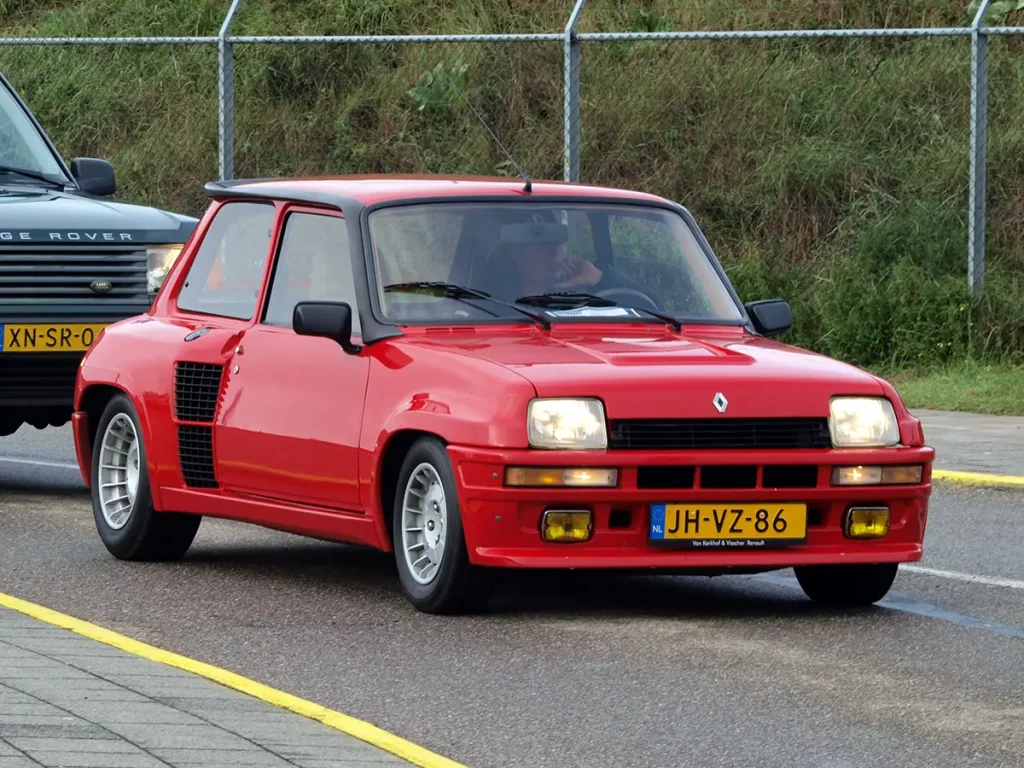
- The Renault 5 (1972): With its plastic bumpers (a world first) and its smiling eyes, it became the darling of young people and women. It even had its own legendary sporty version: the mid-engined R5 Turbo. (find our Renault 5 poster from the Rétro-Pub collection here)
5. The era of the Turbo and F1
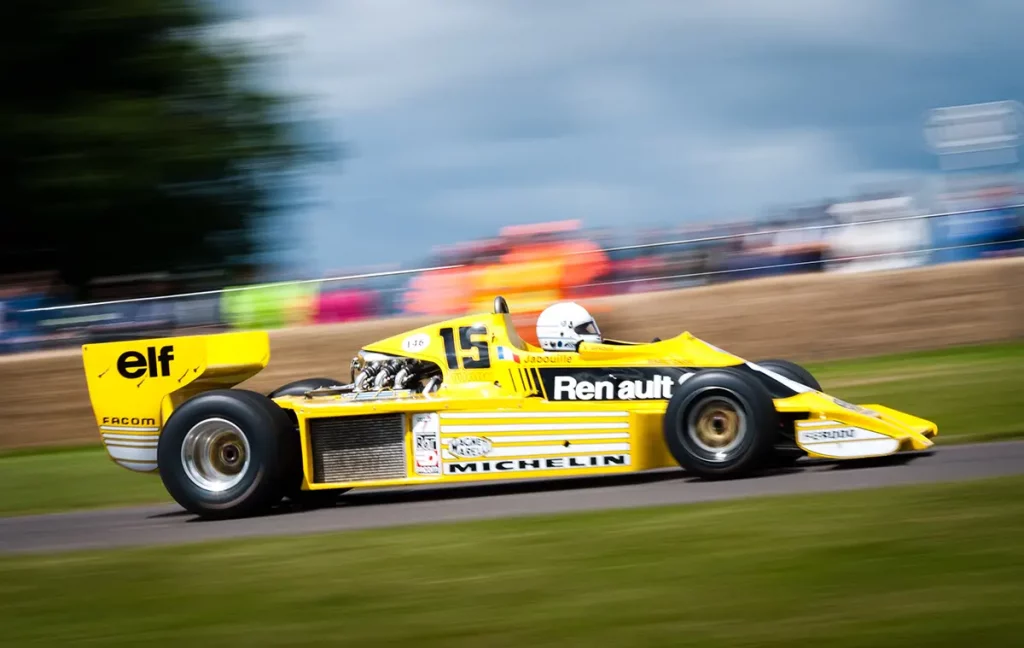
In 1977, Renault arrived in Formula 1 with a crazy idea: to use a small 1.5L V6 engine fitted with a Turbo. At first, the engine kept blowing up, and the British nicknamed the car “The Yellow Teapot” because it was often seen smoking!
But in 1979, Jean-Pierre Jabouille won the French Grand Prix. The gamble had paid off. This Turbo technology was then rolled out across the whole range (R18 Turbo, Fuego, R11 Turbo, Super 5 GT Turbo), creating a legend that is still very much alive today.
Later, in the 1990s, the Renault V10 would power Williams and Benetton, delivering 6 consecutive constructors’ titles.
6. The “Cars for living” years: Espace and Twingo
In the 1980s and 1990s, Renault dared to do everything:
- The Espace (1984): Matra offered the concept to Peugeot, which turned it down. Renault said yes. The first European MPV was born. A flop in its first months (only 9 sales!), then a colossal success.
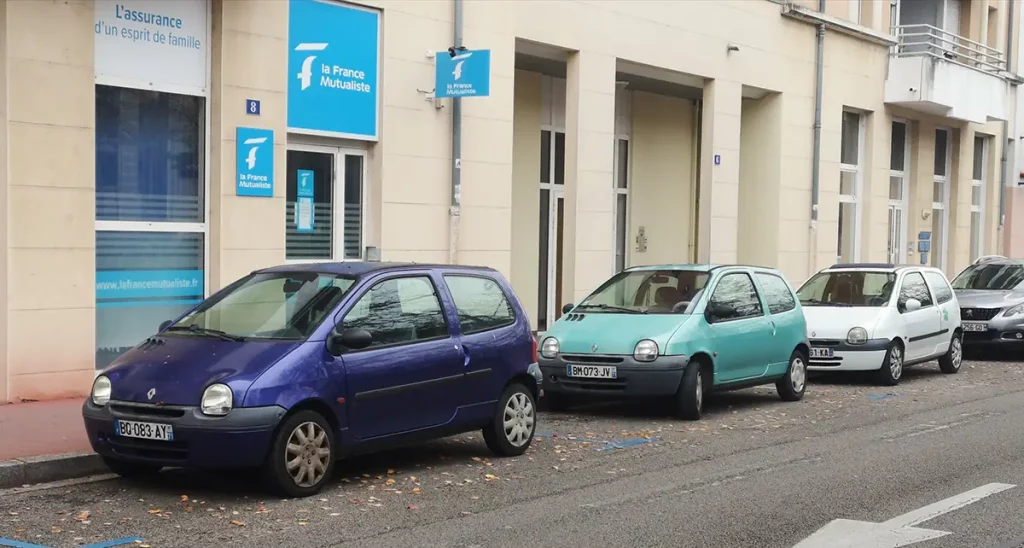
- The Twingo (1993): With its frog-like face and its modular interior, it reinvented the small city car. “It’s up to you to invent the life that goes with it”, “it’s not the type to look on the dark side” (find our Renault Twingo poster from the Rétro-Pub collection here)
7. 2024-2026: The Electric “Renaulution”
Today, under the leadership of Luca de Meo, Renault is playing the retro-modern card to make a success of its electric transition.
The new Renault 5 E-Tech (launched in 2024) and the Renault 4 E-Tech (2025) bring the design of the 1970s/80s back to life with modern technology. It is a resounding hit that brings together history enthusiasts and technology lovers.
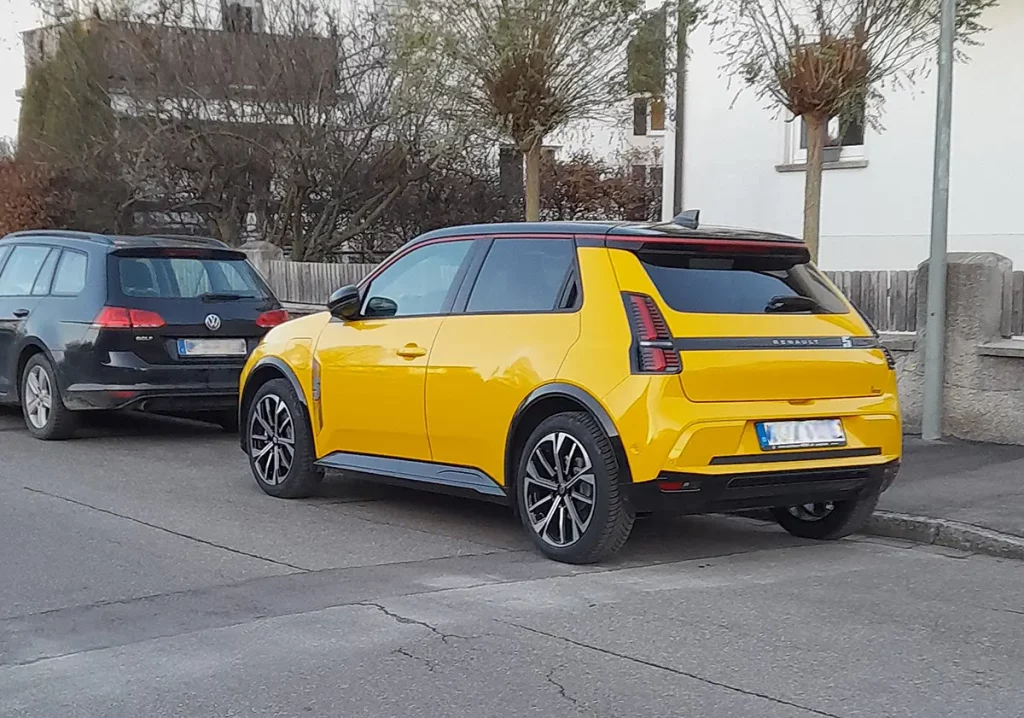
The daring French brand
Renault is the brand that dared to put an F1 V10 in an Espace and a Turbo engine in the boot of an R5. It is this creative madness that we love.
Whether you are nostalgic for the sliding windows of the 4L or for the brutal shove of an R21 2L Turbo, at leposterautomobile.fr we have the poster for you.
Read next.
The whole magazine →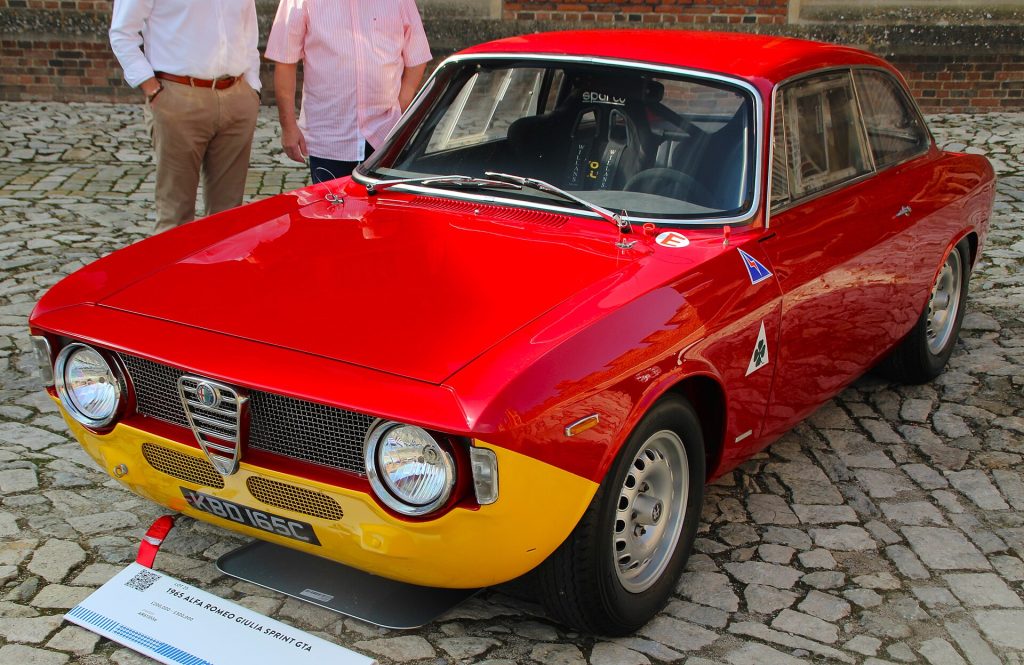
Alfa Romeo History: From the First F1 Title to the Quadrifoglio, the Sporting Heart
A.L.F.A., the Scuderia Ferrari, the 8Cs at Le Mans, the first F1 title, the Giulia GTA, the 33 Stradale and the Quadrifoglio: the history of Alfa…
Read the article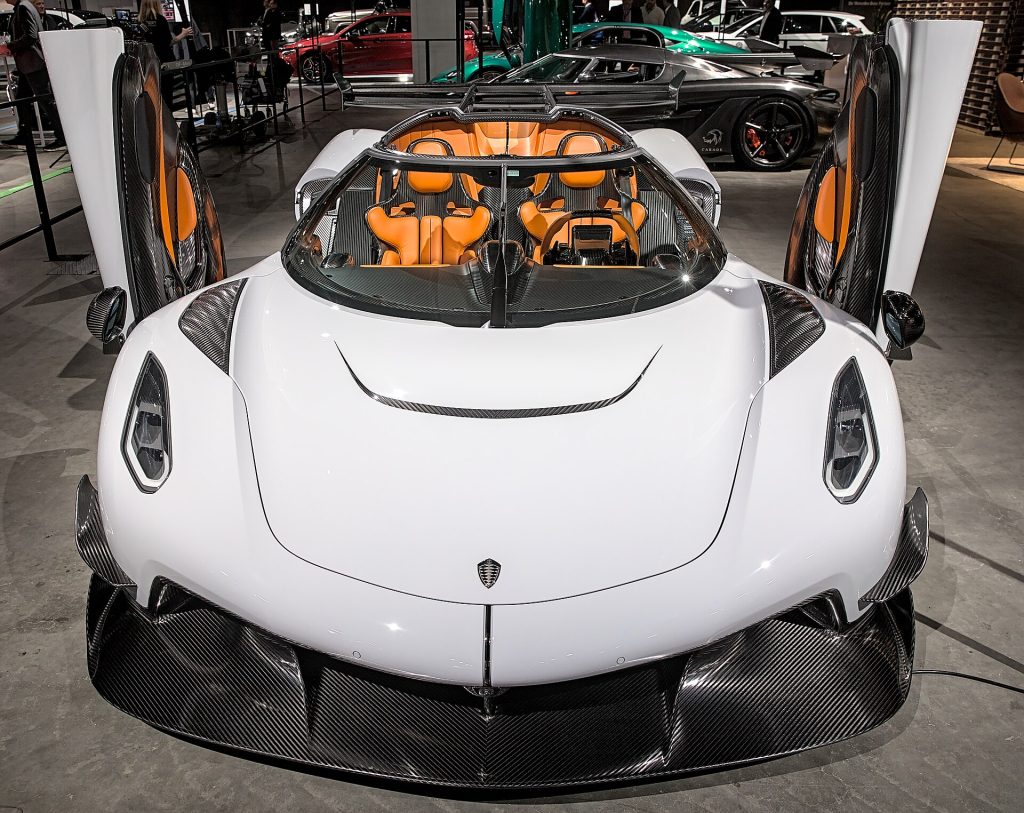
Koenigsegg History: From a Young Swede’s Dream to Speed Records
Christian von Koenigsegg, the CC8S, the CCR’s record against the McLaren F1, the One:1, the Agera RS at 447 km/h and the Jesko: the history of…
Read the article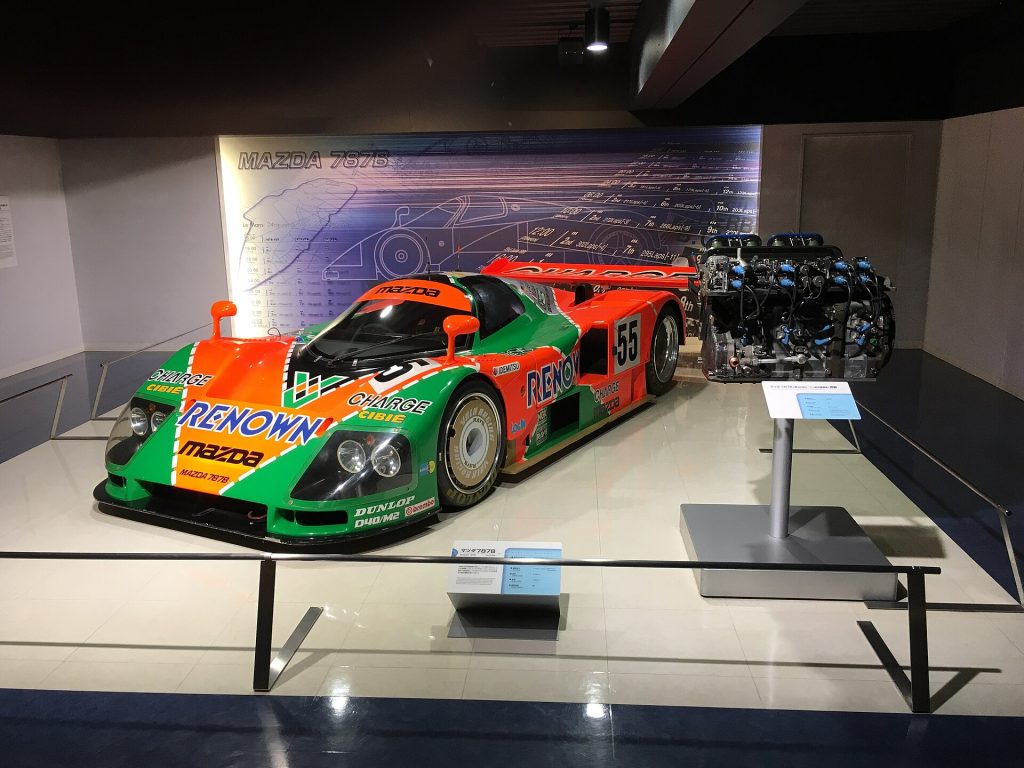
Mazda History: From the Rotary Engine to the MX-5, Japanese Daring
The rotary engine, the Cosmo Sport, the RX-7, victory at Le Mans in 1991 with the 787B and the MX-5: the history of Mazda in six…
Read the articleOn your walls.
All posters →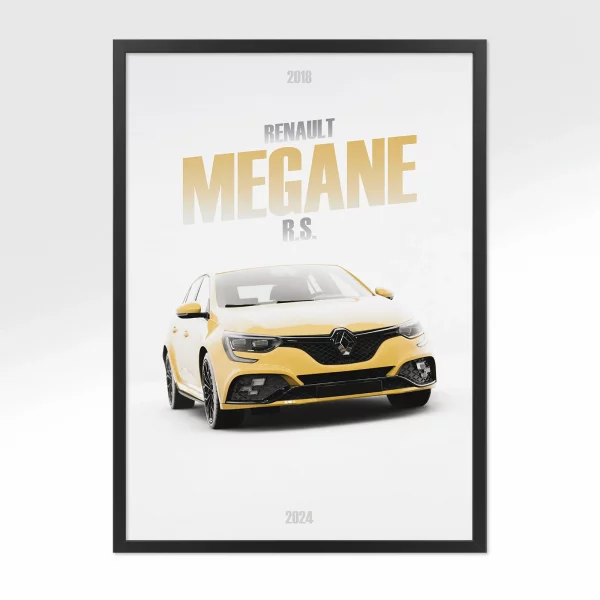 Renault Mégane R.S. · frontFrom €39.90Pure White
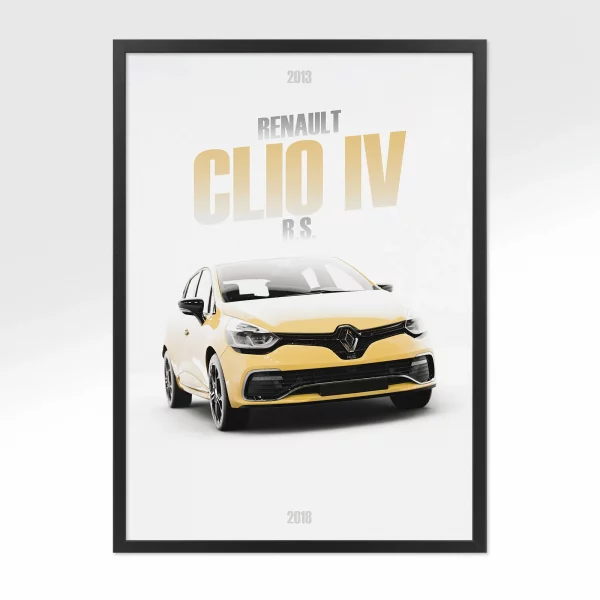 Renault Clio IV R.S. · frontFrom €39.90Youngtimer
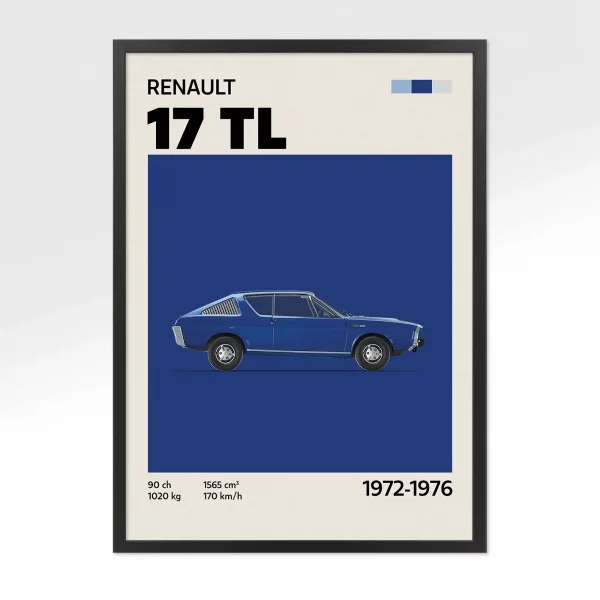 Renault 17 TLFrom €39.90Pure White
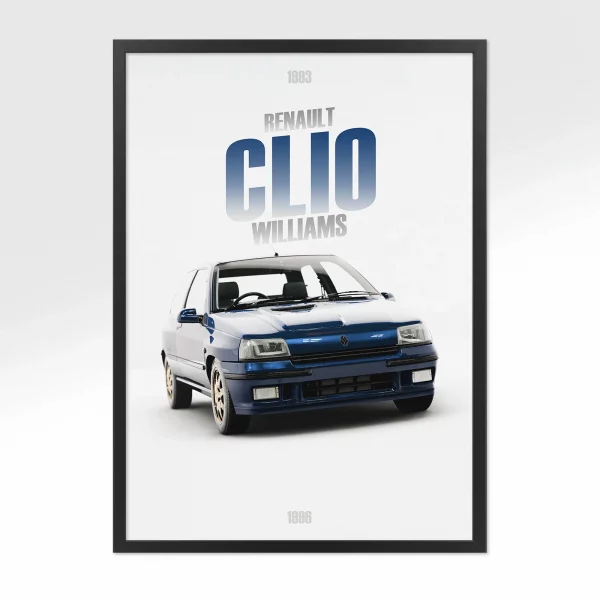 Renault Clio Williams · frontFrom €39.90Retro Ad
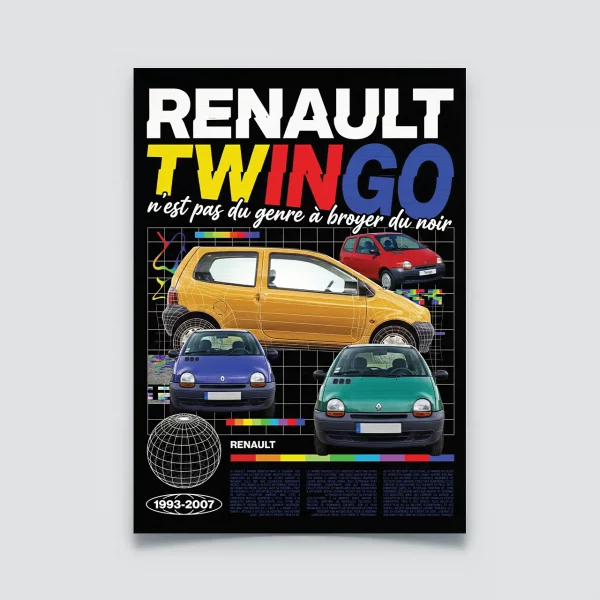 Renault TwingoFrom €39.90Pure White
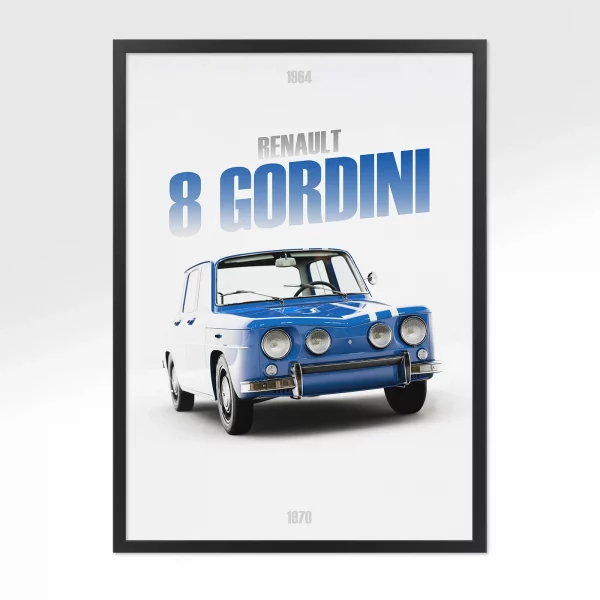 Renault 8 Gordini · frontFrom €39.90Youngtimer
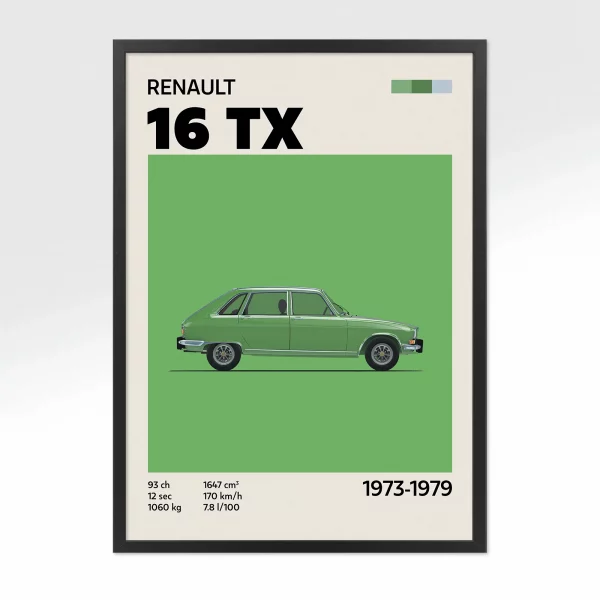 Renault 16 TXFrom €39.90Retro Ad
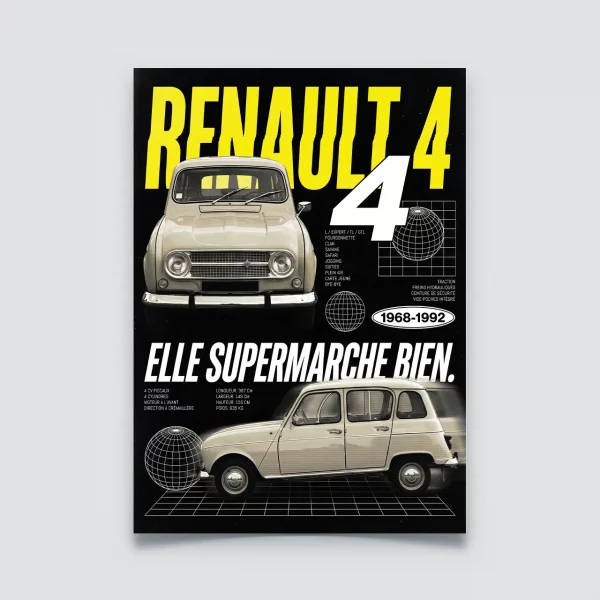 Renault 4From €39.90