BMW History: From Aircraft Engines to the Letter M, a Century of Passion.
Aircraft engines, the R 32 motorcycle, rescue by the Neue Klasse, the birth of BMW M, the M1 and M3: the history of BMW from 1916 to the electric era.
A blue and white logo, a twin-kidney grille and a letter that has become legendary: M. BMW is today one of the most powerful premium carmakers in the world, and its performance division has given birth to some of the most desirable saloons in history.
But before making cars, the Bavarian firm built aircraft engines, then motorcycles. It even came close to disappearing at the end of the 1950s. A look back at a century of history, from aviation to the M division.
1. 1916: Aircraft engines in Munich
The story begins in the middle of the First World War. In 1916, Bayerische Flugzeugwerke was founded in Munich, and in 1917 Karl Rapp’s engine company became Bayerische Motoren Werke, the “Bavarian Engine Works”. Their aircraft engines stood out for their efficiency at altitude.
The round blue and white logo uses the colours of Bavaria. The idea that it represents a propeller spinning against the sky came later, from a 1929 advertisement, but it fits the brand’s history so well that it has become a legend.
2. 1923: The motorcycle, then the first car
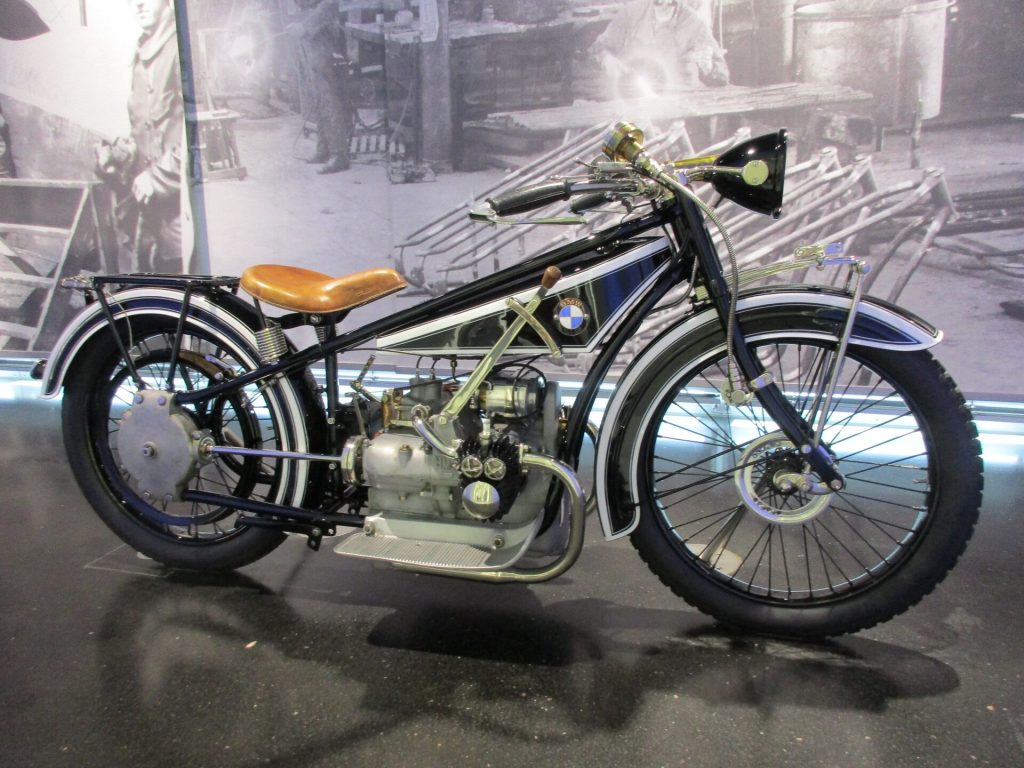
With the Treaty of Versailles banning Germany from producing aircraft engines, BMW changed course. In 1923, it unveiled its first motorcycle, the R 32, with a flat-twin engine that is still the signature of BMW motorcycles today.
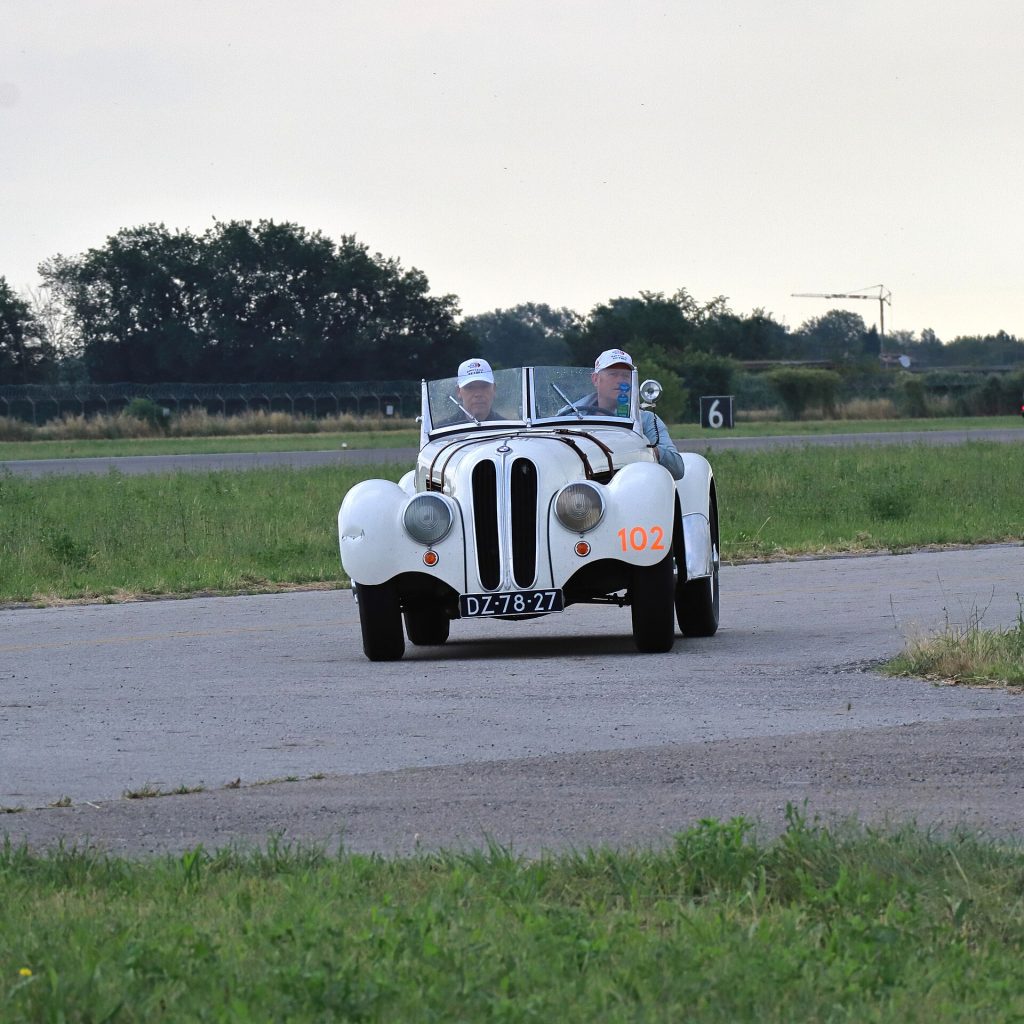
Cars arrived in 1928 with the purchase of the Eisenach factory and its little Dixi. In 1936, the 328 roadster established BMW in motorsport: light and aerodynamic, it notably won the Mille Miglia in 1940 in coupé form.
3. 1959: On the brink of bankruptcy, the Neue Klasse
After the war, BMW lost the Eisenach factory, located in East Germany, and struggled to find its place between large, overpriced limousines and the tiny Isetta. In 1959, the brand came close to being taken over by Mercedes-Benz. It was the industrialist Herbert Quandt who saved it by investing his fortune.
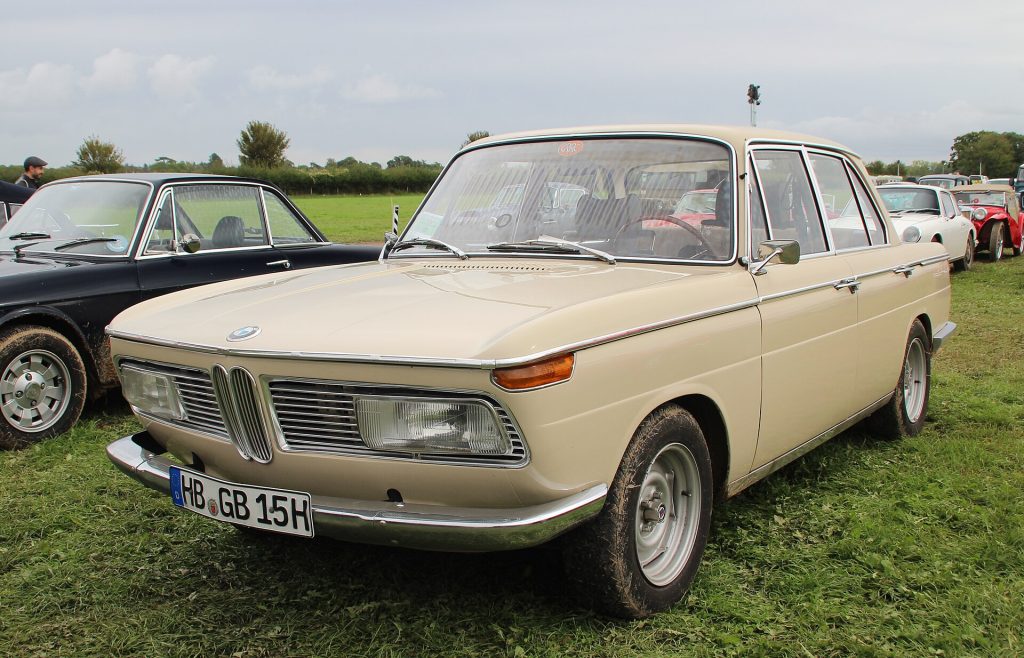
In 1962, the BMW 1500 launched the “Neue Klasse”: a compact, sporty and modern saloon that defined the brand’s DNA for decades to come. It would give rise to the 02 Series and the famous 1973 2002 Turbo, the first European production car with a turbocharger.
4. 1972: The birth of BMW M
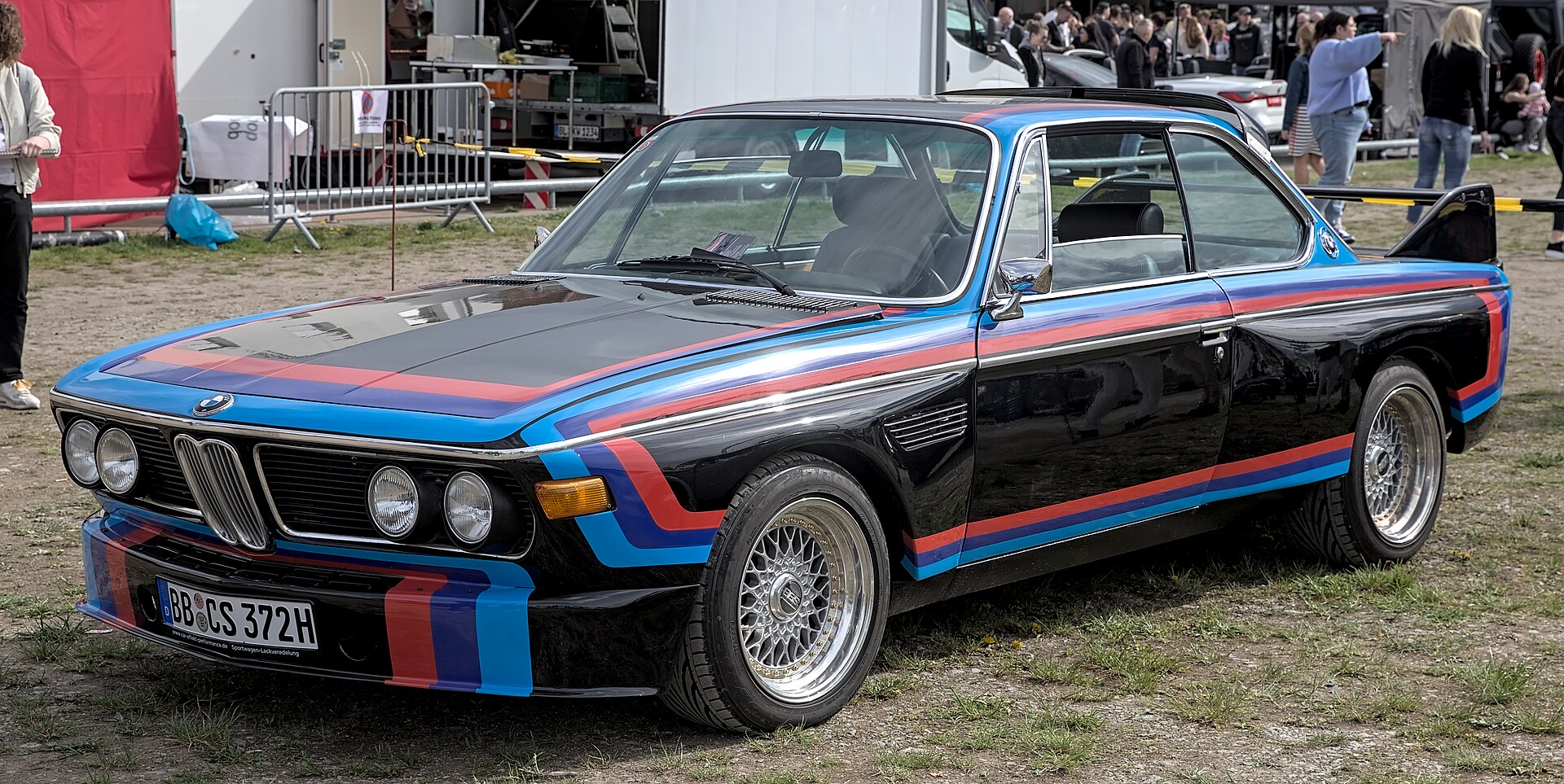
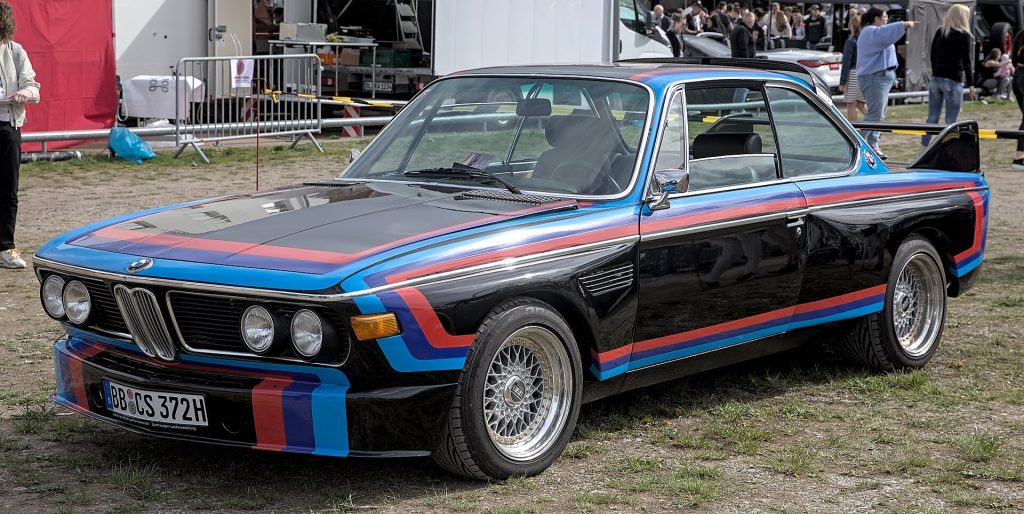
In 1972, BMW created BMW Motorsport GmbH, its racing division. Its first big hit was the 3.0 CSL, a lightweight coupé nicknamed the “Batmobile” for its spectacular wings, which dominated the European Touring Car Championship in the 1970s.
The BMW Motorsport colours, light blue, dark blue and red, became one of the most famous liveries in motorsport.
5. 1978-1986: M1 and M3, two legends
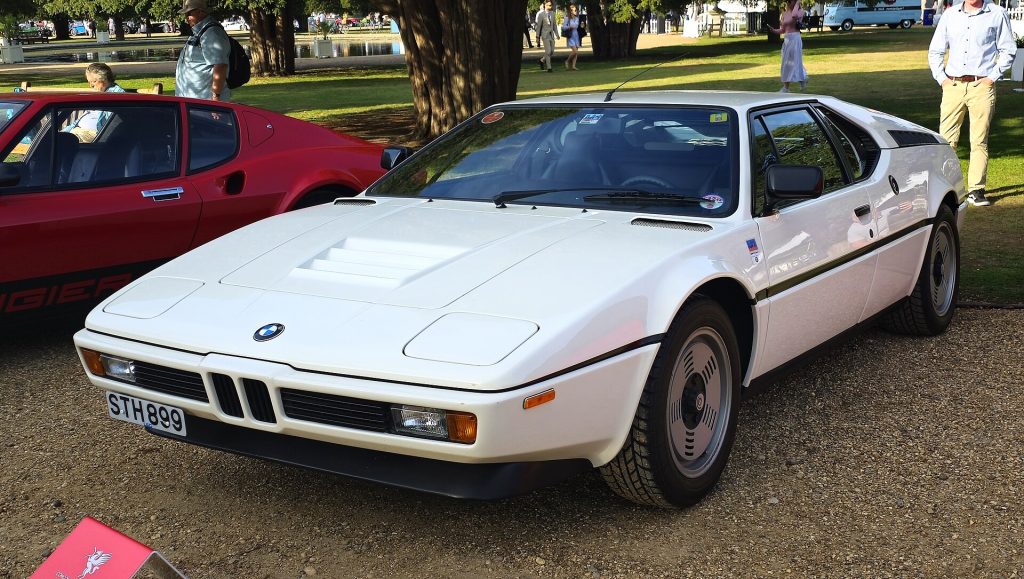
In 1978, BMW unveiled the M1, designed by Giugiaro: it is the only mid-engined supercar in the brand’s history, with around 450 built. It shone in racing in the Procar series, which pitted the best Formula 1 drivers against each other. It is available in our Pure White collection.
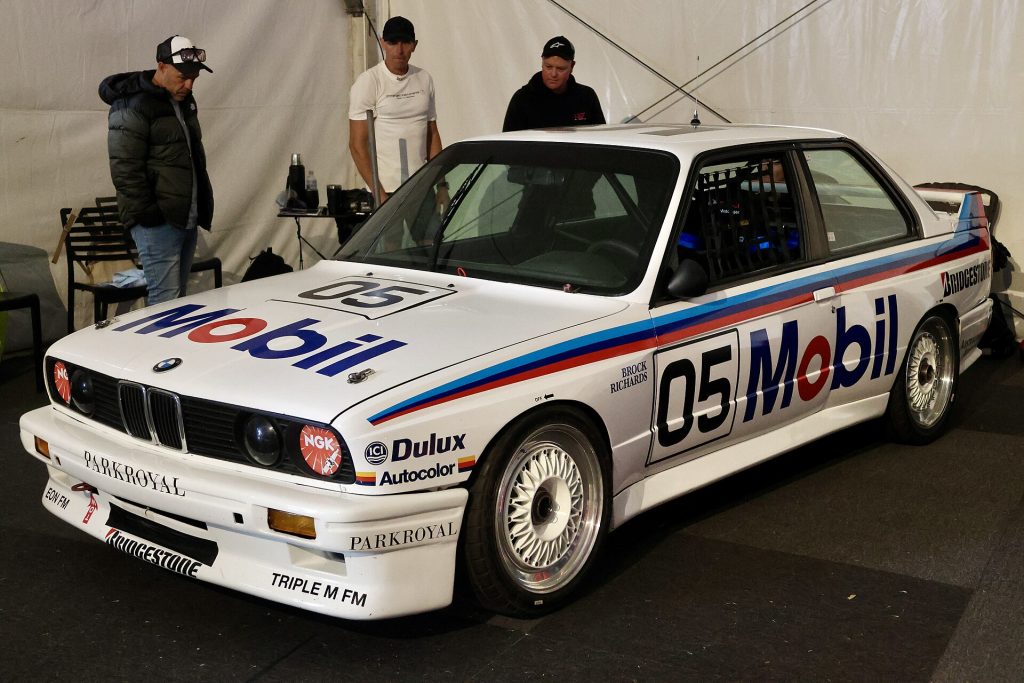
In 1986, the M3 E30 was designed for touring car championship homologation. It became one of the most successful racing cars in history and launched a lineage that continues today with the M4. Our BMW M3 1986 poster pays tribute to it.
6. Today: From the M8 to the electric Neue Klasse
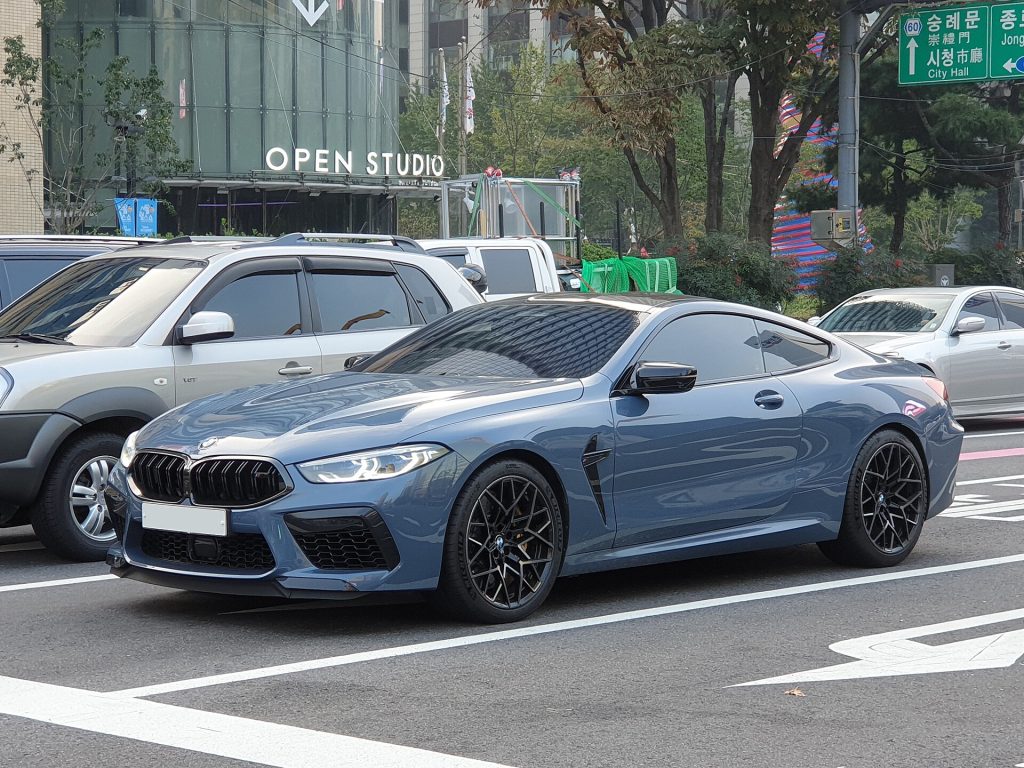
Today the M division produces models such as the M5 and the 625 hp M8 Competition, a worthy heir to the 850 CSi. BMW was also a pioneer of the sporty hybrid with the i8 as early as 2014.
In 2025, the brand revived the “Neue Klasse” name for its new generation of electric models, launched by the iX3 SUV. As in 1962, BMW is staking its future on a new family of cars.
Conclusion: The joy of driving, since 1916
From aircraft engines to electric saloons, BMW has never lost sight of its slogan: the joy of driving. And the letter M remains the symbol of the brand’s most exciting cars.
Discover the 2002 Turbo from our Retromobile collection, the M1, the M3 E30 and more than 30 models in our selection of BMW posters.
Read next.
The whole magazine →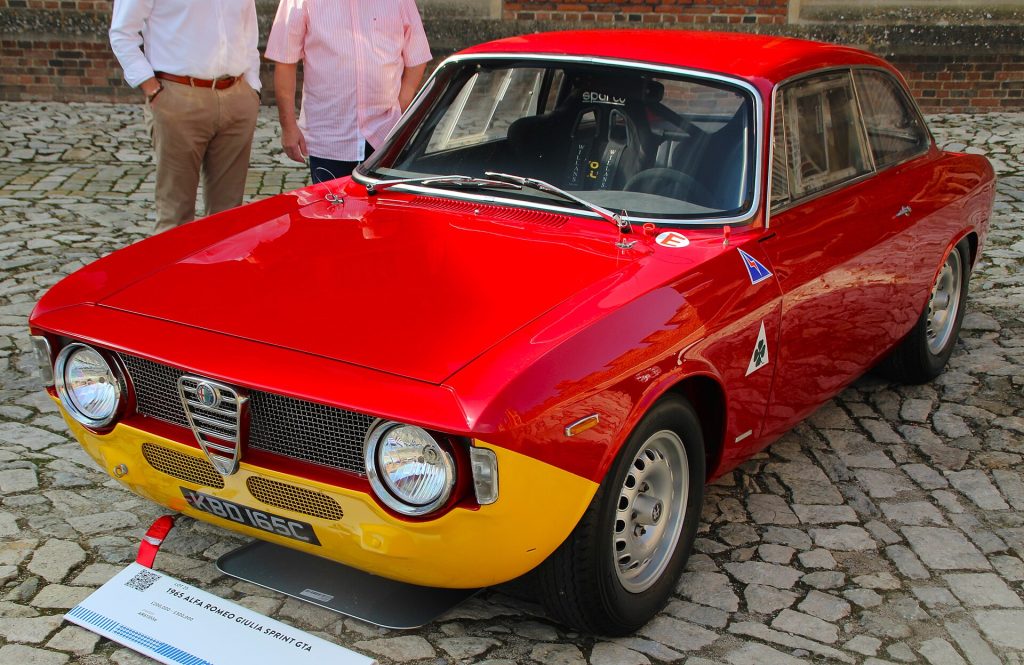
Alfa Romeo History: From the First F1 Title to the Quadrifoglio, the Sporting Heart
A.L.F.A., the Scuderia Ferrari, the 8Cs at Le Mans, the first F1 title, the Giulia GTA, the 33 Stradale and the Quadrifoglio: the history of Alfa…
Read the article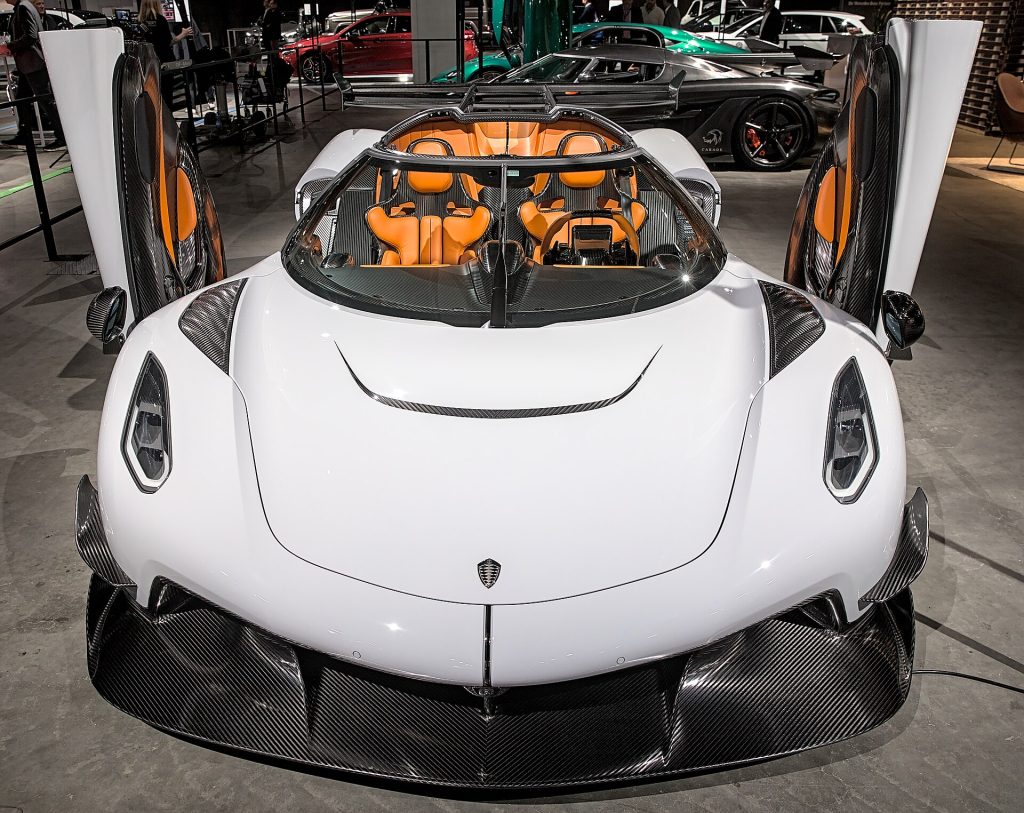
Koenigsegg History: From a Young Swede’s Dream to Speed Records
Christian von Koenigsegg, the CC8S, the CCR’s record against the McLaren F1, the One:1, the Agera RS at 447 km/h and the Jesko: the history of…
Read the article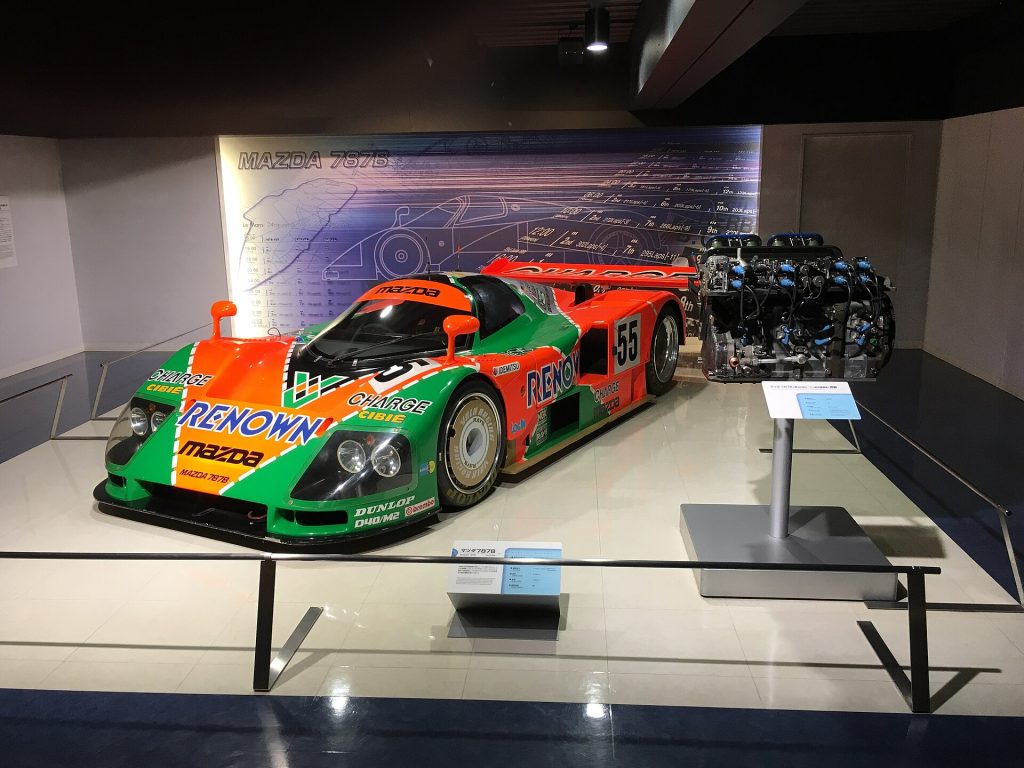


Mazda History: From the Rotary Engine to the MX-5, Japanese Daring
The rotary engine, the Cosmo Sport, the RX-7, victory at Le Mans in 1991 with the 787B and the MX-5: the history of Mazda in six…
Read the articleOn your walls.
All posters →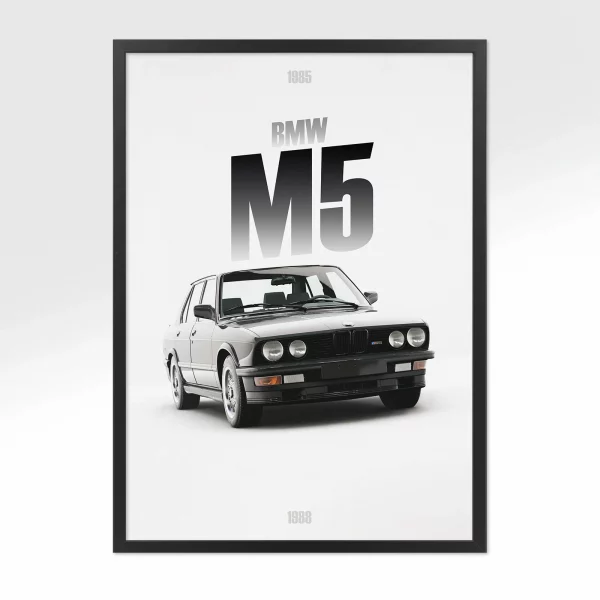 BMW M5 1985 · frontFrom €39.90Pure White
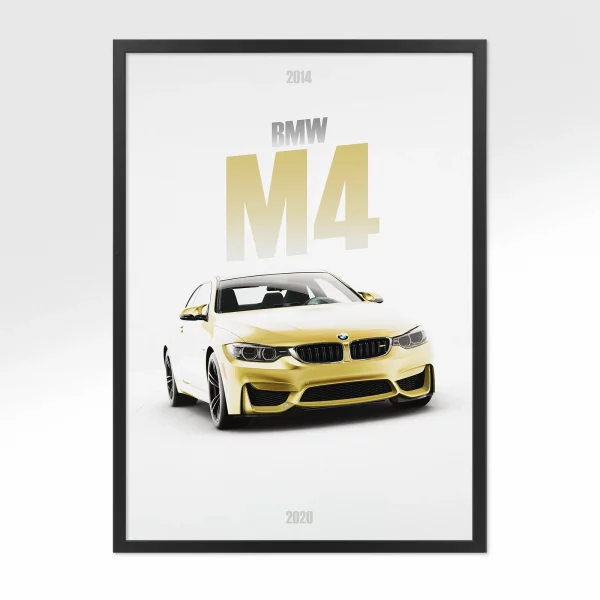 BMW M4 · frontFrom €39.90Pure White
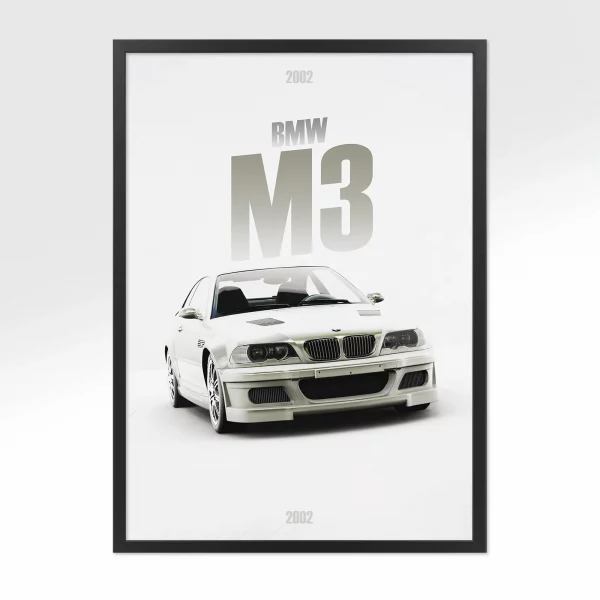 BMW M3 GTR · frontFrom €39.90Pure White
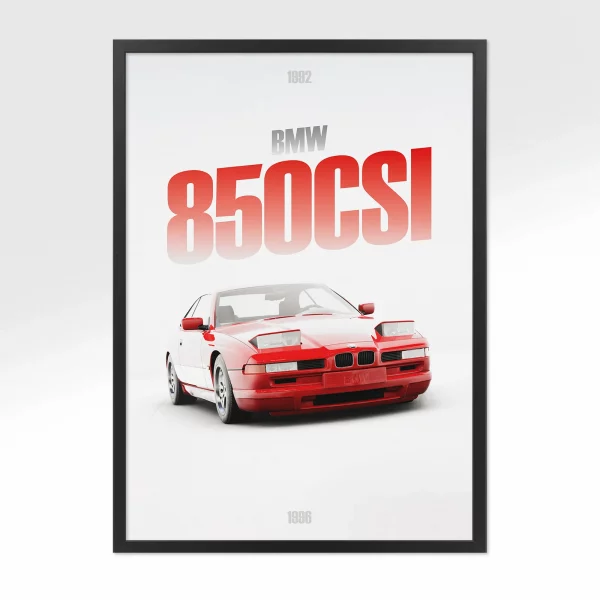 BMW 850CSI · frontFrom €39.90Pure White
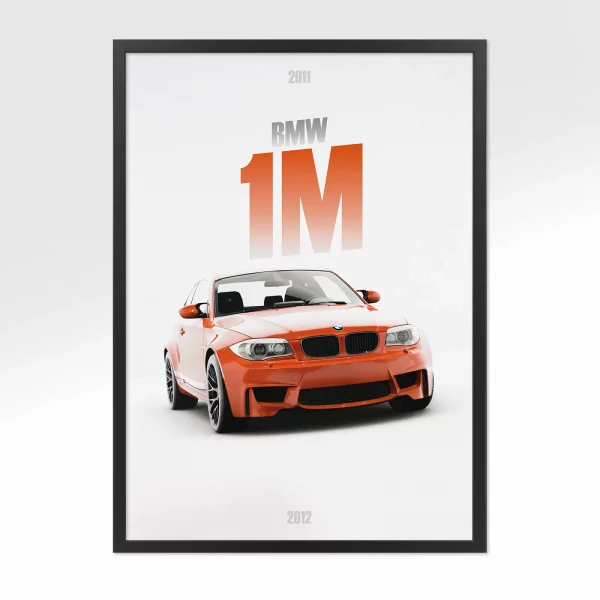 BMW 1M Coupé · frontFrom €39.90Pure White
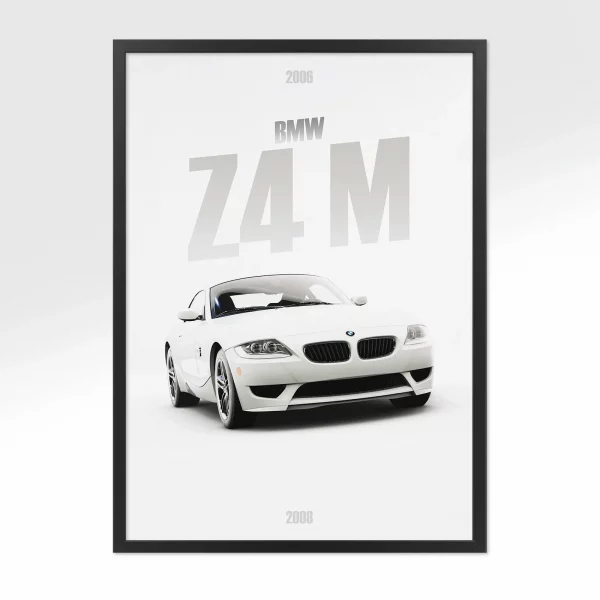 BMW Z4 M · frontFrom €39.90Retro Ad
 BMW 3 Series Compact E36From €39.90Pure White
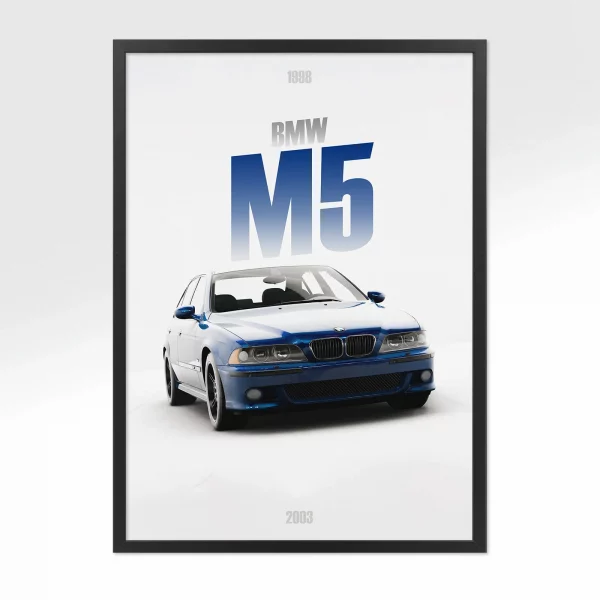 BMW M5 1998 · frontFrom €39.90