Ferrari History: From Enzo to the F40, the Legend of the Prancing Horse.
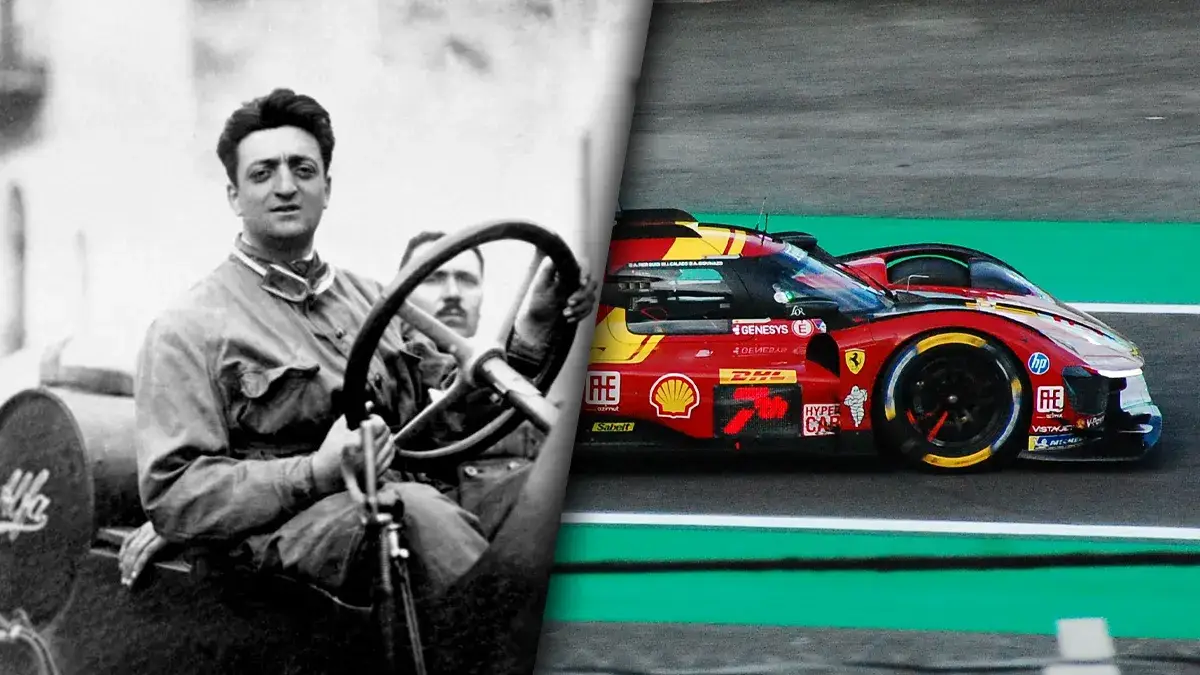
No other car marque inspires such religious fervour. Ferrari is not just a car, it is Italy, it is racing, it is blood.
It all begins and ends with one man: Enzo Ferrari. Nicknamed Il Commendatore (the Commander), he was known for his tyrannical temperament, his dark glasses and his obsession with the V12 engine. Here is a look back at the genesis of the Maranello legend.
1. The early years: Driver before manufacturer (1929-1947)
Unlike many industrialists, Enzo Ferrari did not start out by building cars. He started out by racing them.
In 1929, he founded the Scuderia Ferrari in Modena. But be careful: at that time, the Scuderia did not build anything! It was the official racing team of Alfa Romeo. The cars were Alfas, but they already wore the prancing horse badge on their flanks.
It was only after a painful split with Alfa Romeo that Enzo decided to become a manufacturer in his own right. His aim? To sell road cars purely to fund his racing team.
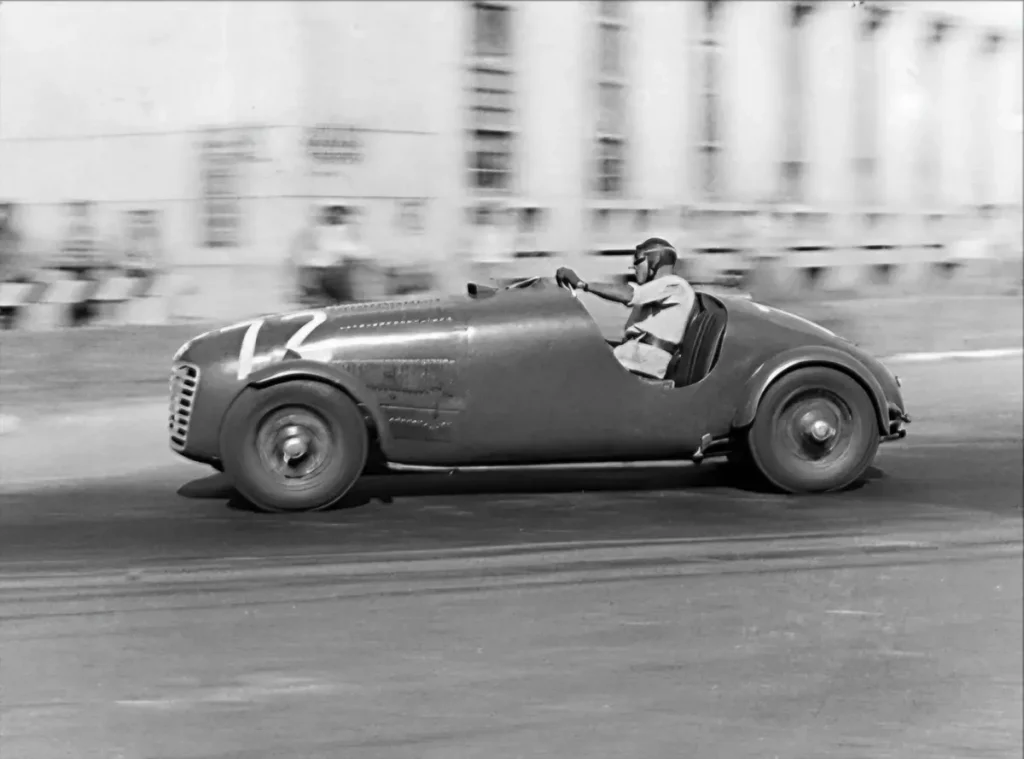
In 1947, the first “real” Ferrari rolled out of the Maranello factory: the 125 S. Under its bonnet there was already a small 1.5-litre V12 designed by Gioacchino Colombo. The music of the Ferrari engine was born.
2. The 50s and 60s: The Golden Age and the 250 GTO
The 1950s and 1960s marked the height of Italian style. Ferrari dominated endurance racing and produced breathtakingly beautiful grand touring (GT) cars.
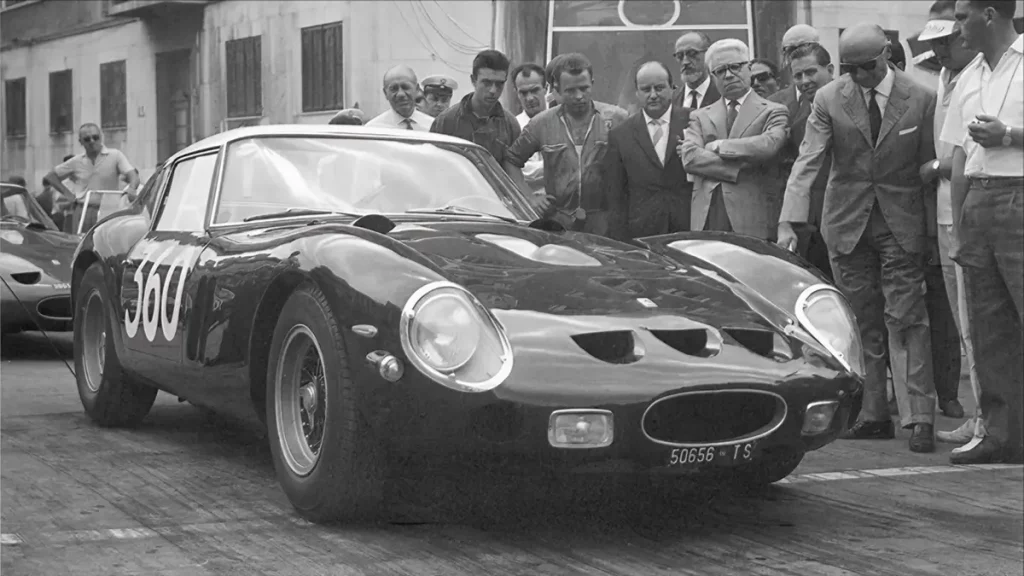
The undisputed star of the era was the Ferrari 250 GTO, which came out in 1962 (available as a poster here). Built in just 36 examples for racing homologation (GTO stands for Gran Turismo Omologato), it is today the most expensive car ever sold at auction.
It was the perfect embodiment of Enzo’s philosophy: a car capable of winning a race on Sunday and taking its owner to work on Monday.
3. 1969: The pact with Fiat
Racing is expensive, very expensive. By the late 1960s, Ferrari was financially drained. The American giant Ford tried to buy the marque, but Enzo walked out at the last moment because he refused to give up control of the Scuderia (the racing team).
To save the company while keeping his sporting independence, Enzo sold 50% of the shares to the Fiat group in 1969. This injection of fresh money would make it possible to develop legendary models such as the Testarossa and the 308 GTS.
4. 1987: The F40, the Commendatore’s last gift
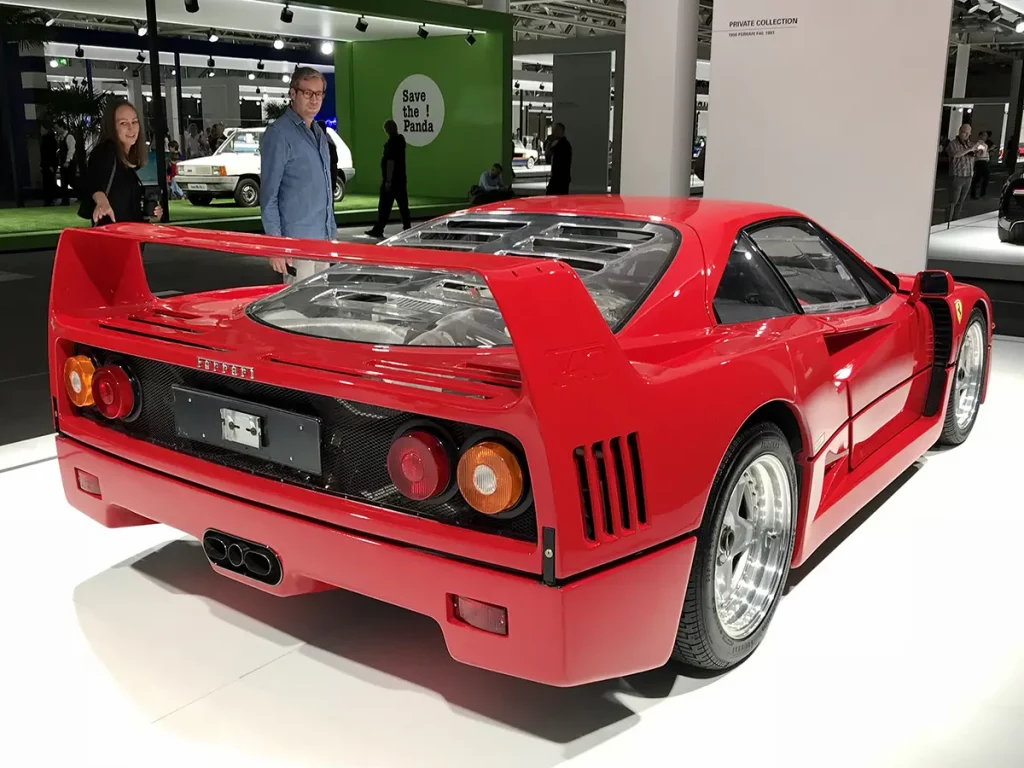
Sensing that his end was near, Enzo Ferrari wanted to leave an indelible mark. For the marque’s 40th anniversary, he commissioned a car with no compromises. No radio, no interior door handles (just a cord!), no driver aids. Just a 478-horsepower twin-turbo V8 engine.
The Ferrari F40 was the first production car to exceed 320 km/h (324, to be exact). Enzo died a year after its unveiling, in 1988. For many, the F40 remains the “last real Ferrari”.
5. The modern era: Schumacher and hybrid power
After the founder’s death, Ferrari went through a period of doubt before being reborn thanks to a duo: Jean Todt (team principal) and Michael Schumacher (driver). Their domination of Formula 1 (5 consecutive titles from 2000 to 2004) restored the marque’s technological image.
Today, Ferrari is achieving the impossible: respecting tradition while embracing the future.
- Hybridisation: With LaFerrari (available in our Super Sport collection here) and then the SF90 Stradale, Ferrari has proved that electric power can serve performance.
- The SUV: With the Purosangue (2022), Ferrari finally gave in to the SUV trend, but with a naturally aspirated V12 to silence the critics.
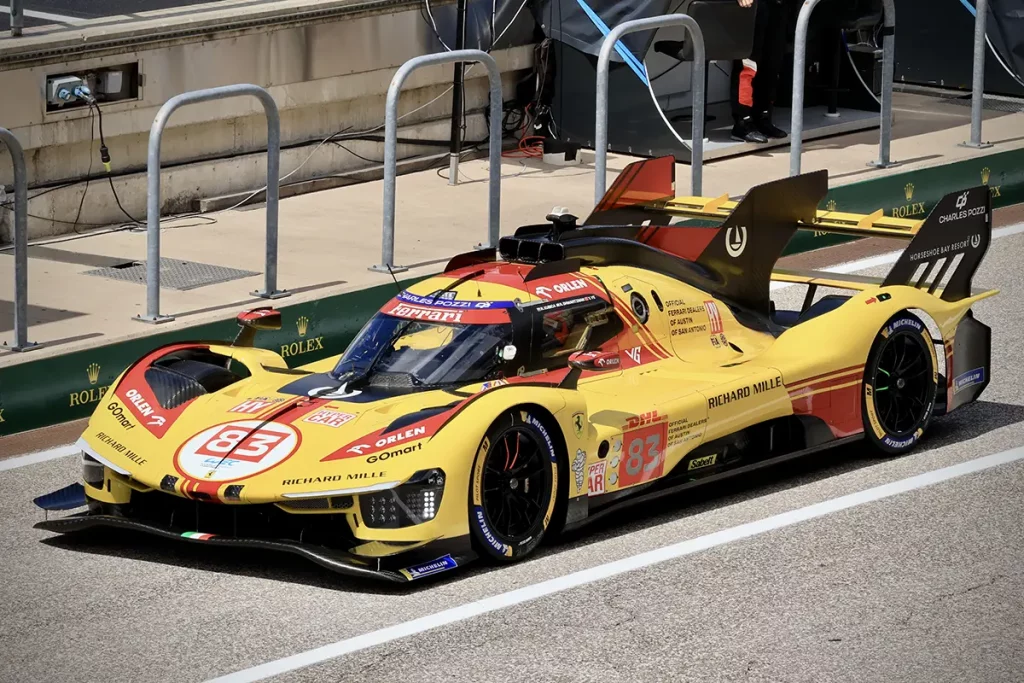
- The return to Le Mans: In 2023, 2024 and 2025, Ferrari won the 24 Hours of Le Mans with the 499P, 50 years after its last official entry in the top class. The circle is complete.
Conclusion: More than a car, a colour
Ask a child to draw a racing car and they will colour it red. That is Enzo Ferrari’s legacy. This raw, visceral passion continues to make enthusiasts’ hearts beat faster.
Read next.
The whole magazine →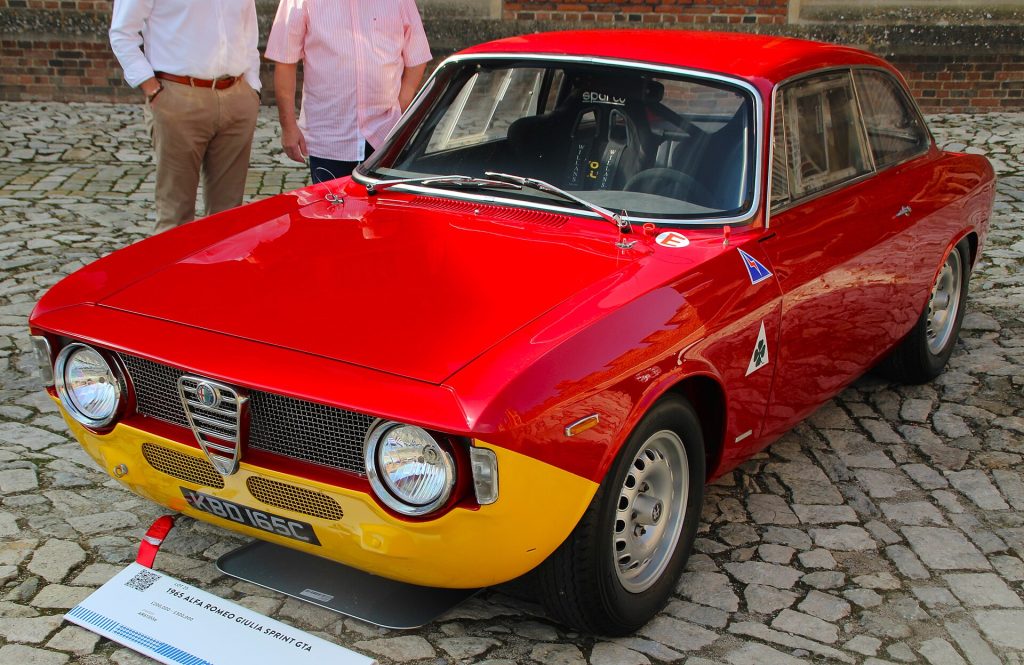
Alfa Romeo History: From the First F1 Title to the Quadrifoglio, the Sporting Heart
A.L.F.A., the Scuderia Ferrari, the 8Cs at Le Mans, the first F1 title, the Giulia GTA, the 33 Stradale and the Quadrifoglio: the history of Alfa…
Read the article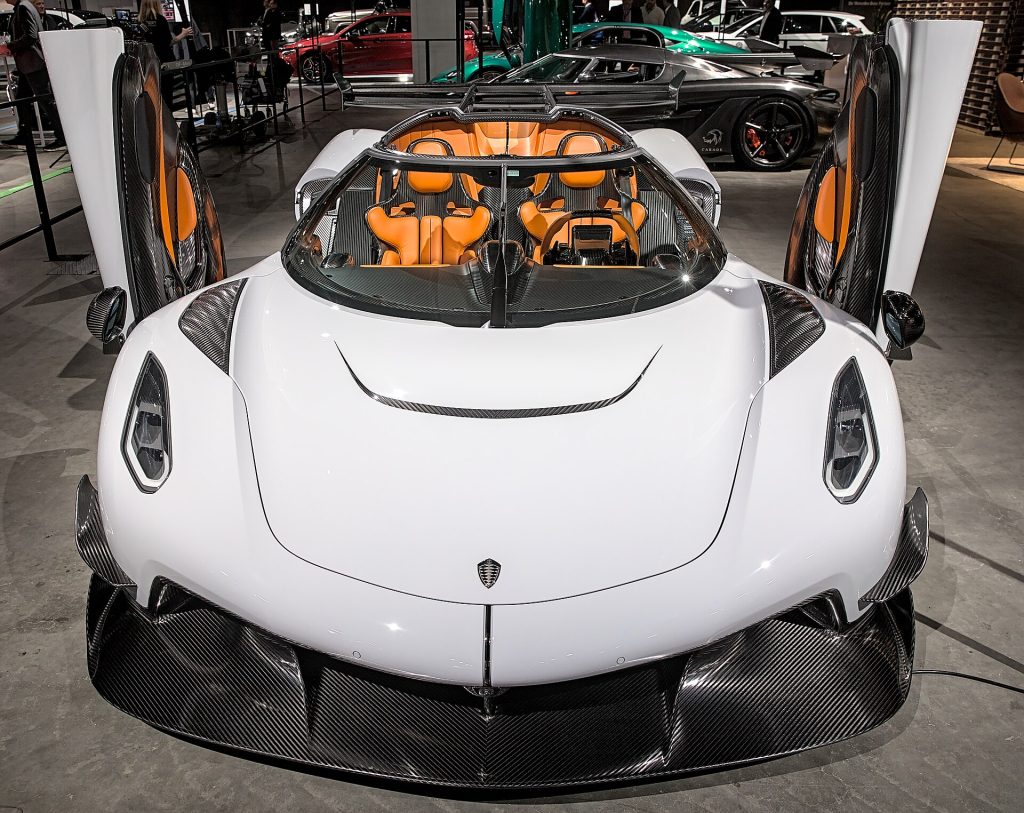
Koenigsegg History: From a Young Swede’s Dream to Speed Records
Christian von Koenigsegg, the CC8S, the CCR’s record against the McLaren F1, the One:1, the Agera RS at 447 km/h and the Jesko: the history of…
Read the article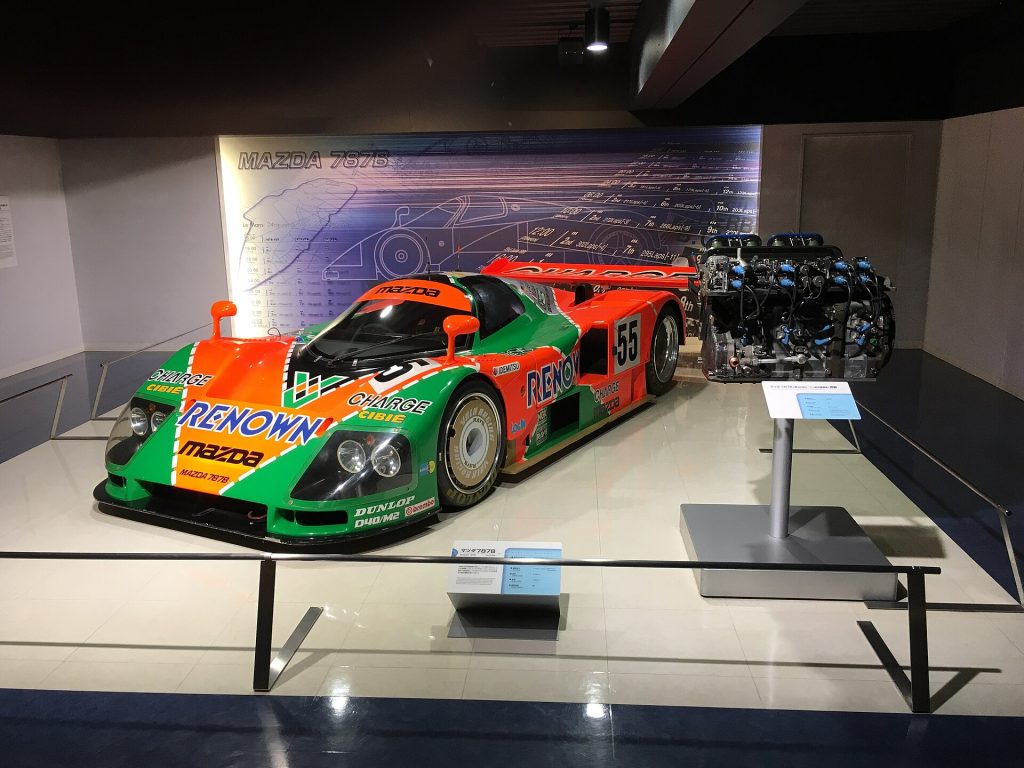
Mazda History: From the Rotary Engine to the MX-5, Japanese Daring
The rotary engine, the Cosmo Sport, the RX-7, victory at Le Mans in 1991 with the 787B and the MX-5: the history of Mazda in six…
Read the articleOn your walls.
All posters →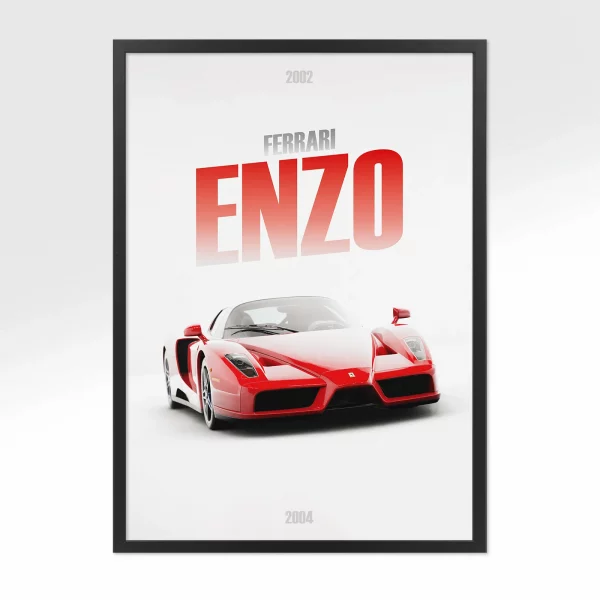 Ferrari Enzo · frontFrom €39.90Pure White
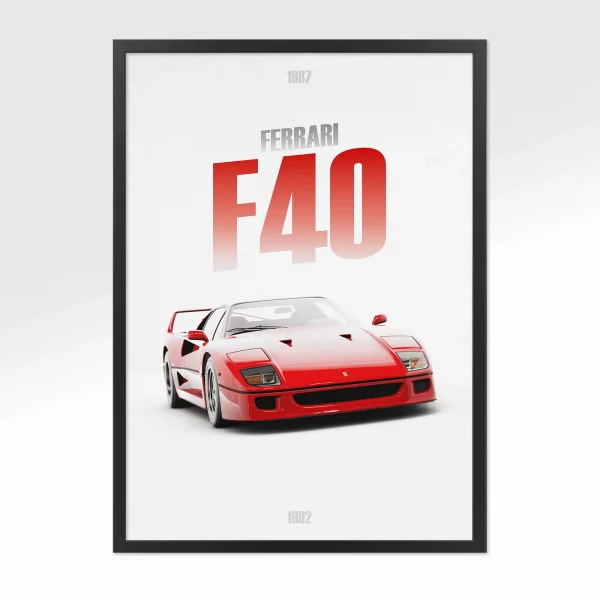 Ferrari F40 · frontFrom €39.90Pure White
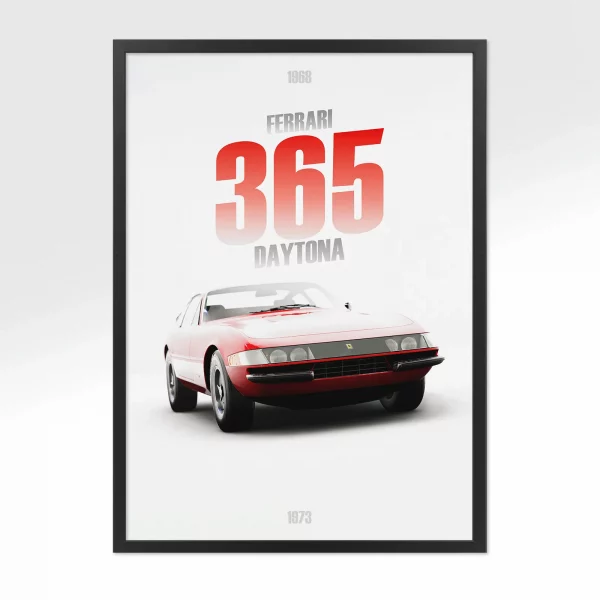 Ferrari 365 Daytona · frontFrom €39.90Pure White
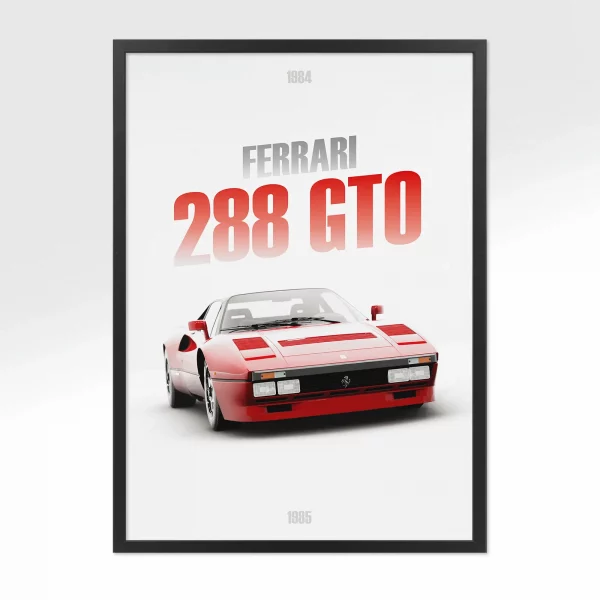 Ferrari 288 GTO · frontFrom €39.90Pure White
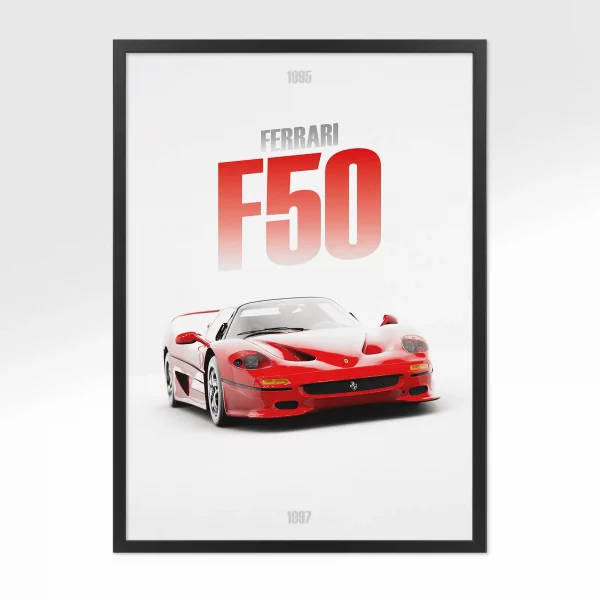 Ferrari F50 · frontFrom €39.90Pure White
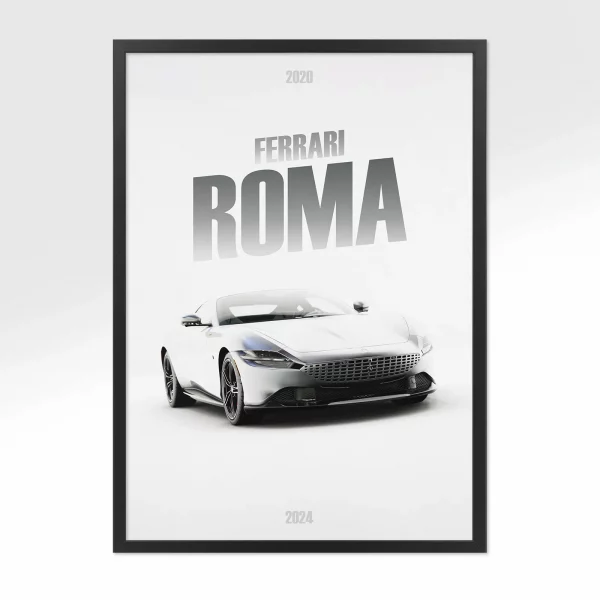 Ferrari Roma · frontFrom €39.90Pure White
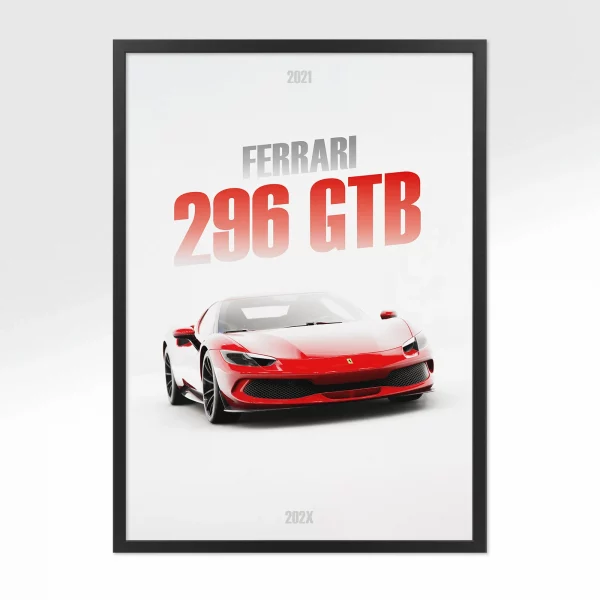 Ferrari 296 GTB · frontFrom €39.90Super Sport
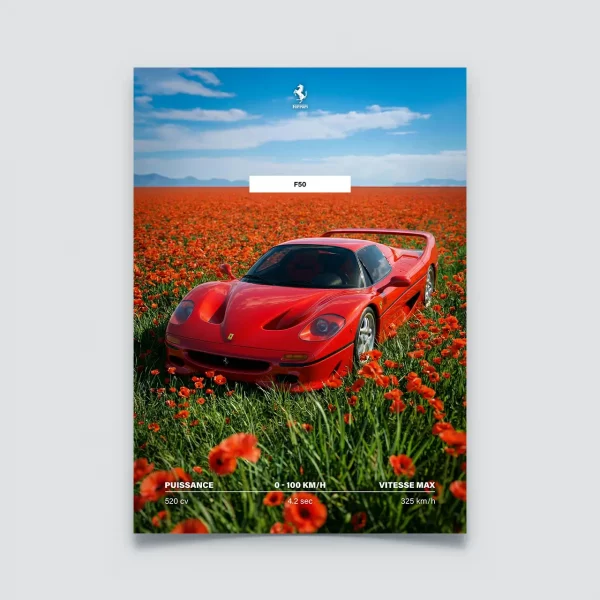 Ferrari F50From €39.90