Motorsport Cheating: 8 Stories of Genius That Drove the FIA Mad.
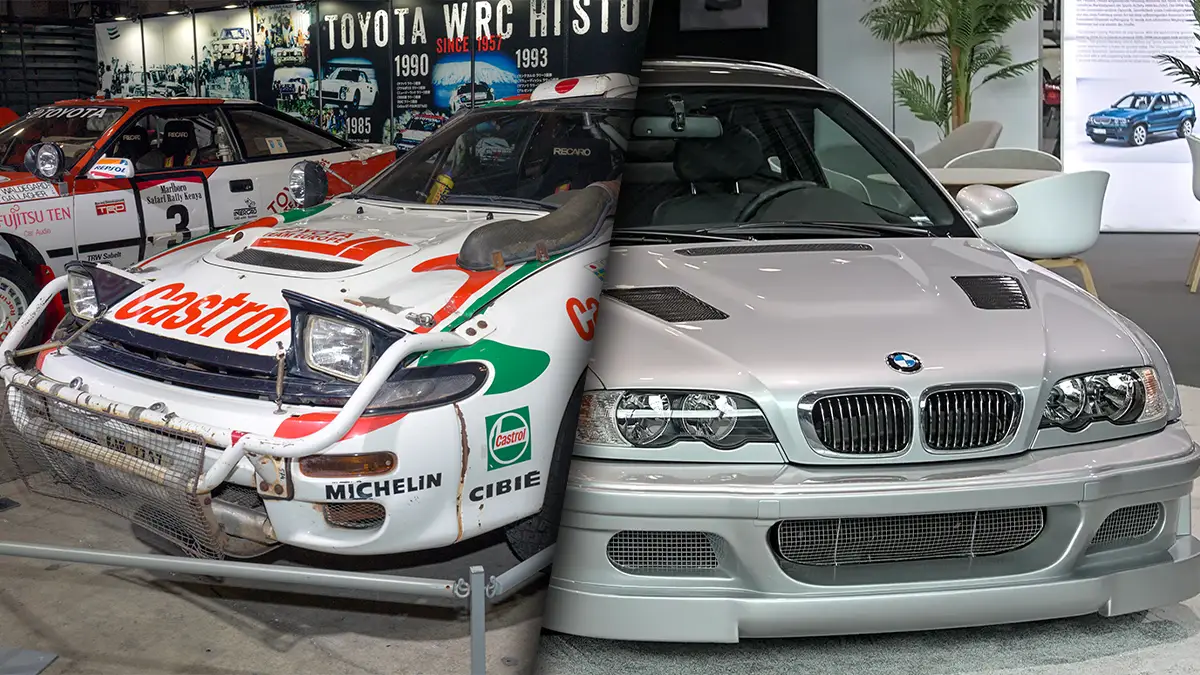
BMW M3 GTR: The fake production car

In the American Le Mans Series, the E46 M3 with its 6-cylinder engine could no longer keep up with the Porsche 911s. BMW wanted to fit a V8. The rules required the car to be based on a production model sold on at least two continents.
The trick: BMW built a handful of road-going V8 M3 GTRs (between 6 and 10 depending on the source) and put them on sale at a prohibitive price (€250,000 at the time) so that nobody would buy them. Porsche lodged a complaint, arguing that this was not genuine production. The following year the rules changed (requiring 100 engines and 1,000 cars), the M3 GTR (available as a poster here) vanished from circulation, and BMW withdrew from the series.
The Ford Focus RS WRC 03: The magic bumper

In the WRC, the air reaching the engine is limited by a restrictor (the famous “restrictor”). The enemy is turbo response time (lag). To fill that gap, teams use an “anti-lag” system that needs a lot of air. But how do you get an extra air reserve when the intake is restricted?
The trick: On the 2003 Focus WRC, Ford M-Sport’s engineers discovered that the rules banned air tanks inside the cabin, but said nothing about the outside. So they built a hollow rear bumper beam made of aerospace-grade titanium. This beam acted as a storage tank for high-pressure air. That air was fed back to the intake manifold through long pipes running the length of the car. This provided an instant surplus of air to spool the turbo back up, getting around the effect of the intake restrictor.
It took the FIA a while to understand why the Focus pulled so ferociously out of slow corners. The car was banned from the championship the following year.
Peugeot 206 GT (WRC 1999): The “WRC” bumper

To homologate the 206 for the WRC, the production car had to be at least 4 metres long. Yet the standard 206 measured 3.83 m.
The trick: Peugeot did not want to use the 306 (too big). So it released a limited run of 4,000 units, the 206 GT, which was “GT” in name only. It had protruding, unsightly front and rear bumpers, completely empty, purely to gain the missing centimetres and reach 4 metres. Once homologated, the rally version could swap those ugly bumpers for aero ones.
Tyrrell Racing and the lead balls
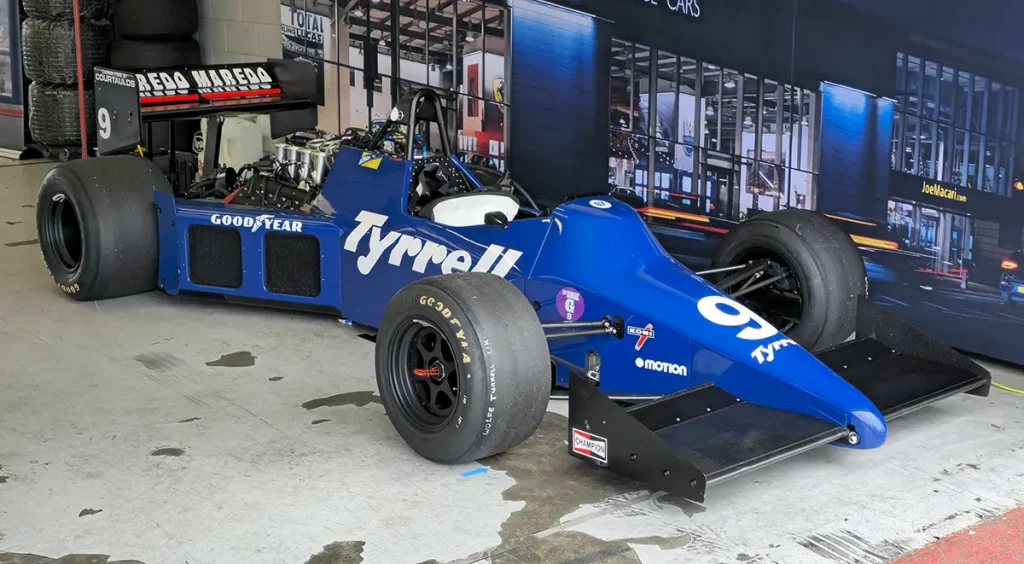
After abandoning the P34 project (its six-wheeled F1 car), partly because Goodyear stopped producing the special tyres, Tyrrell Racing came up with a rather original idea to compete with its rivals’ turbo engines (being the only team still running naturally aspirated engines).
The trick: Knowing full well that cars were weighed at the end of the race, and that the rules of the time banned refuelling but not topping up the water for the braking system, the team decided to make a pit stop systematically in the final laps to inject lead balls directly along with the water to make up the weight they were missing, so that everything would be legal when the stewards weighed the car.
Unluckily for them, after a few races these repeated water stops in the final laps, along with balls found in their paddock, aroused suspicion. The car was taken apart, the deception exposed, and the team was excluded from the 1984 championship.
Toyota Celica GT-Four: The most ingenious turbo in history
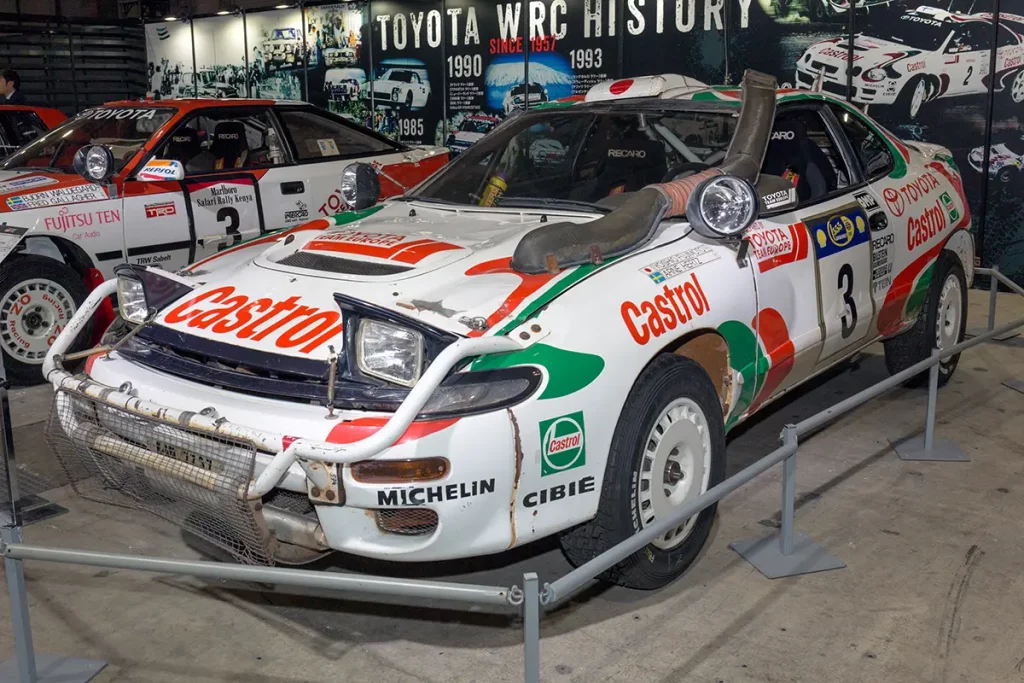
As we have just seen with the Ford Focus, in 1995 the FIA imposed an intake restrictor to limit engine power in the WRC. Every team was capped at around 300 horsepower. And yet the Toyotas were coming out of corners with suspicious power.
The trick: Toyota Team Europe’s engineers designed a restrictor mounted on special springs, hidden inside the hose. When stationary, during scrutineering, the restrictor sat perfectly in place and was legal. But on the move, under the suction of the turbo, the restrictor shifted by 5 mm, letting air flow around it (roughly 25% more flow), delivering around 50 extra horsepower, invisibly.
The FIA eventually uncovered the ruse. The team was banned for a year, and Max Mosley, president of the FIA, declared: “It is the most ingenious cheating I have seen in 30 years of motorsport.”
Benetton B194: The hidden “Option 13” menu
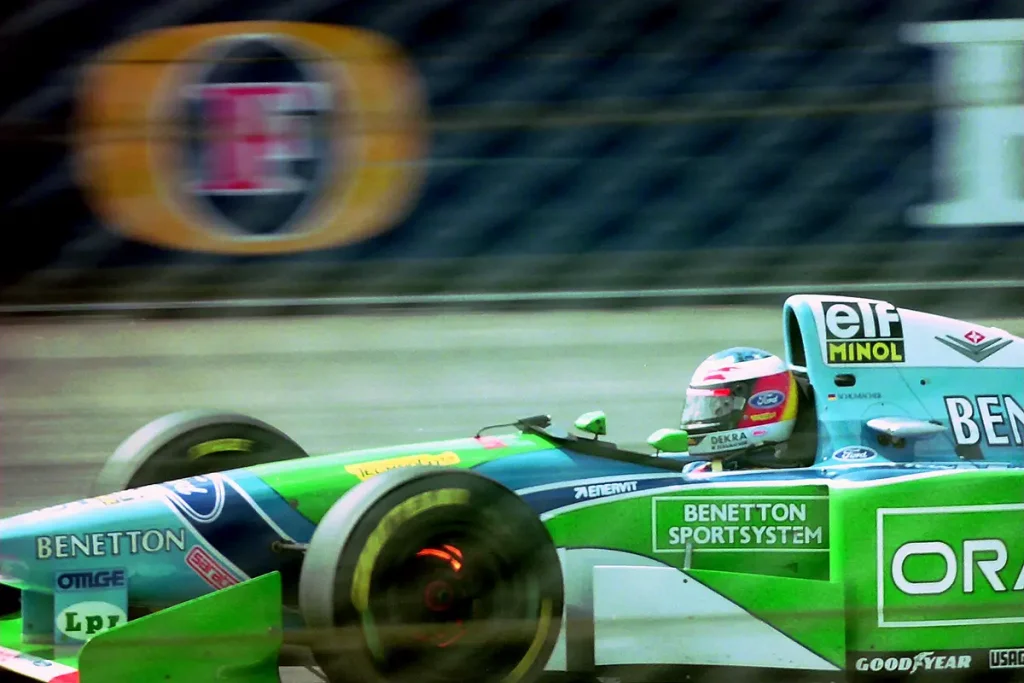
For the 1994 F1 season, electronic driver aids (traction control, automated starts) had just been strictly banned. Yet Ayrton Senna was convinced that Michael Schumacher’s Benetton was using an illegal system, noting a strange engine sound in slow corners and lightning starts.
The trick: During a thorough inspection of the car’s source code, the FIA discovered a secret menu hidden in the software. To activate “Launch Control” (automatic start), pressing a button was not enough. The driver had to perform a complex, invisible sequence on the steering wheel, like a video game “cheat code” (e.g. changing gears in a particular order while holding down a button). Benetton claimed it was “forgotten” code that had never been activated.
With no proof that Schumacher had used it in a race, they kept the title, but doubts linger to this day.
Brabham BT46B: The track vacuum cleaner
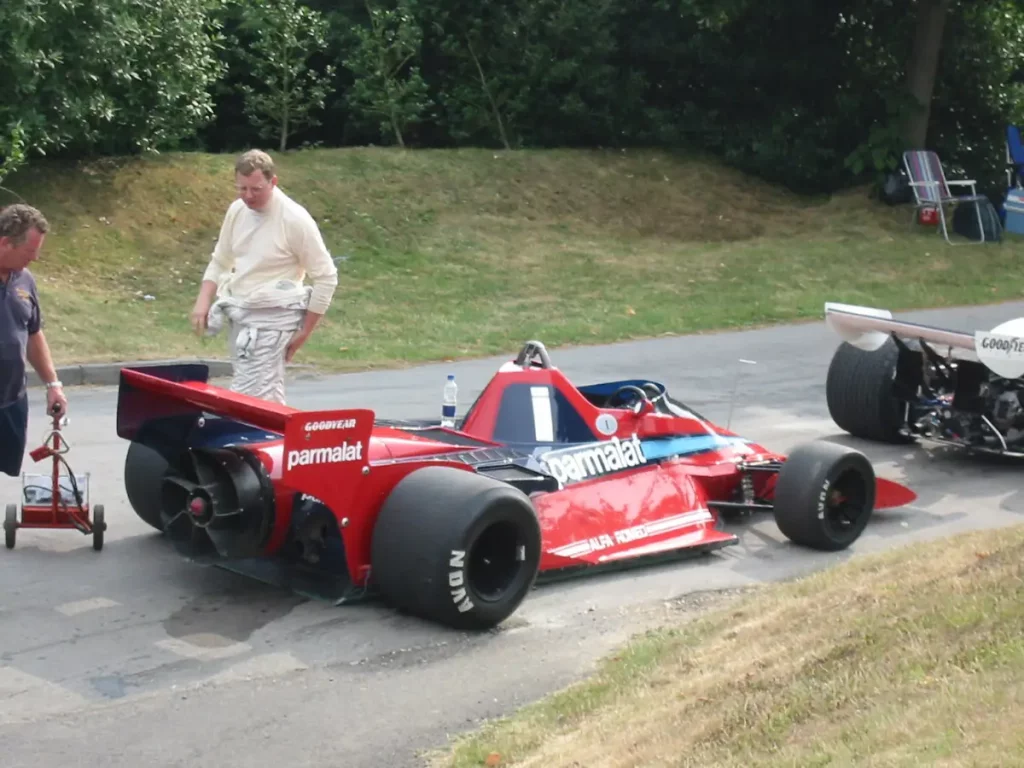
In 1978, Lotus dominated F1 thanks to ground effect (the air passing under the car sucked it down onto the track). Gordon Murray, an engineer at Brabham, wanted the same effect, but his big Alfa Romeo engine stopped him from sculpting the chassis like the Lotus. He had to find another way to glue the car to the track.
The trick: He fitted a huge fan to the back of the car. Officially, and to comply with the rules banning movable aerodynamic devices, this fan was there purely to “cool the engine”. In reality, it sucked the air out from under the car, creating a monstrous low-pressure area that clamped the F1 car to the tarmac. Niki Lauda won the Swedish Grand Prix with disconcerting ease, while the other drivers complained of being hit by gravel thrown up by the fan.
The car was voluntarily withdrawn by the team after a single race to avoid a political war, even though it was technically legal at that point.
Read next.
The whole magazine →
2026 24 Hours of Le Mans: the hour-by-hour story and Toyota's victory
BMW on pole, a night of Cadillac dominance, a finish decided by tenths: the hour-by-hour story of the 2026 24 Hours of Le Mans, won by…
Read the article
Alfa Romeo History: From the First F1 Title to the Quadrifoglio, the Sporting Heart
A.L.F.A., the Scuderia Ferrari, the 8Cs at Le Mans, the first F1 title, the Giulia GTA, the 33 Stradale and the Quadrifoglio: the history of Alfa…
Read the article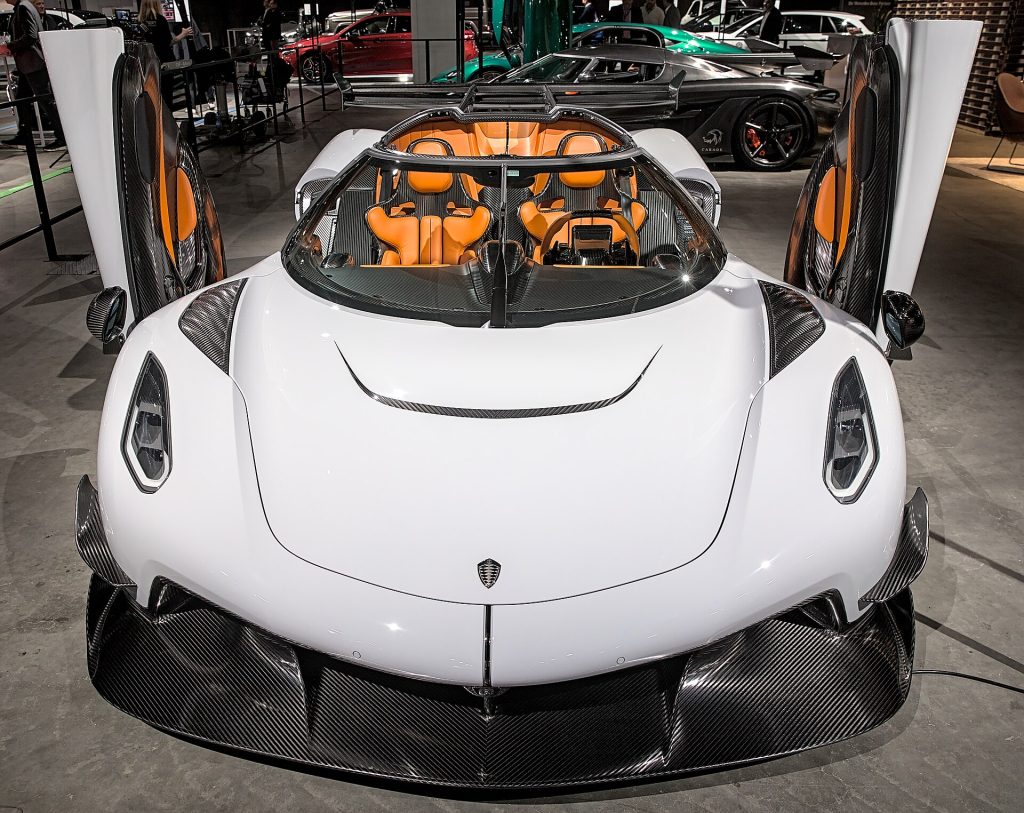
Koenigsegg History: From a Young Swede’s Dream to Speed Records
Christian von Koenigsegg, the CC8S, the CCR’s record against the McLaren F1, the One:1, the Agera RS at 447 km/h and the Jesko: the history of…
Read the articleOn your walls.
All posters → Volkswagen Scirocco S · frontFrom €39.90Pure White
 Lotus Exige S · frontFrom €39.9024 Hours of Le Mans
 Le Mans 1970 – Porsche 917KFrom €39.9024 Hours of Le Mans
 Le Mans 1977 – Porsche 936From €39.9024 Hours of Le Mans
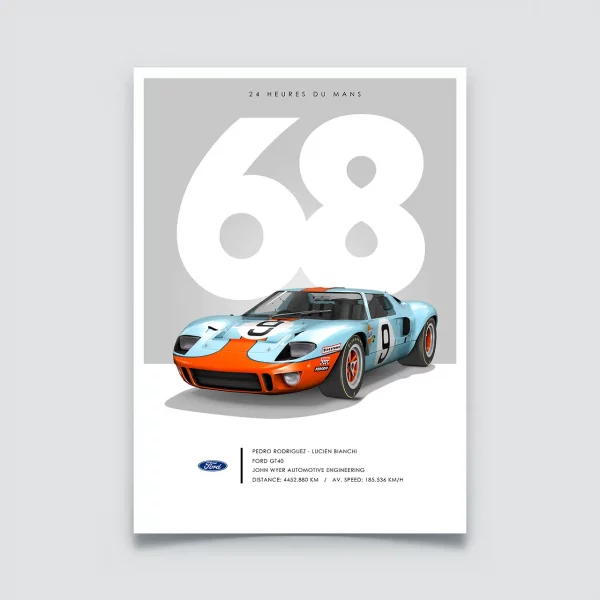 Le Mans 1968 – Ford GT40From €39.90Pure White
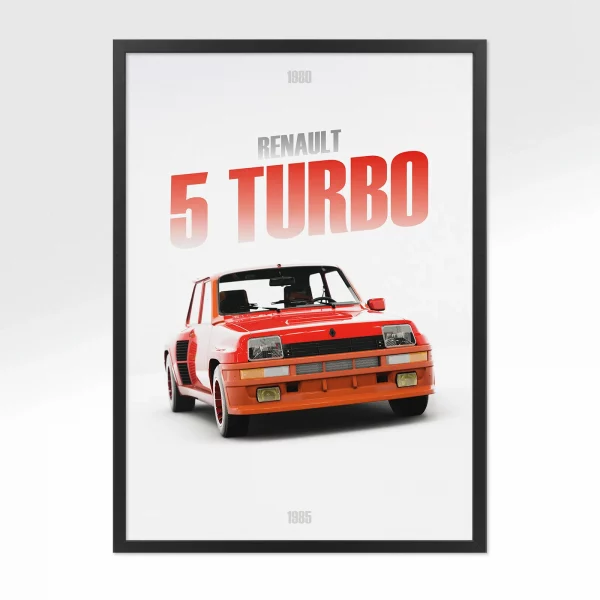 Renault 5 Turbo · frontFrom €39.90Pure White
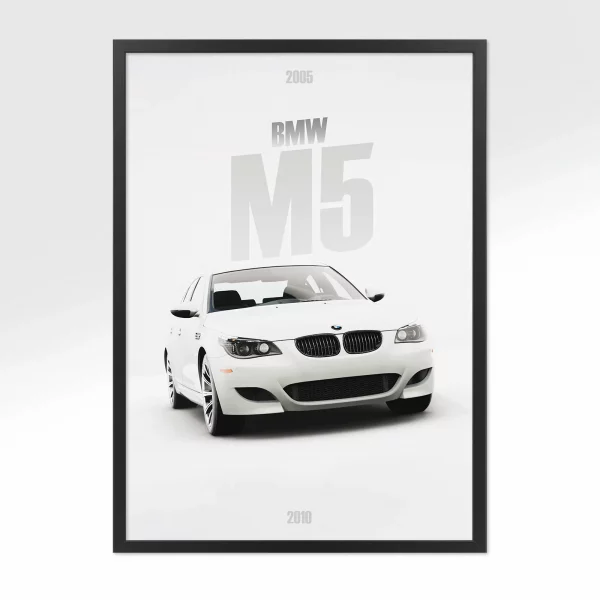 BMW M5 2005 · frontFrom €39.90Retromobile
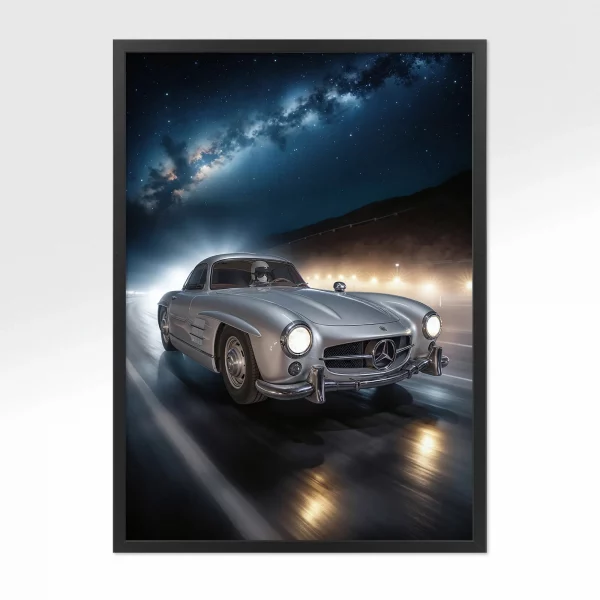 Mercedes 300 SLFrom €39.90